



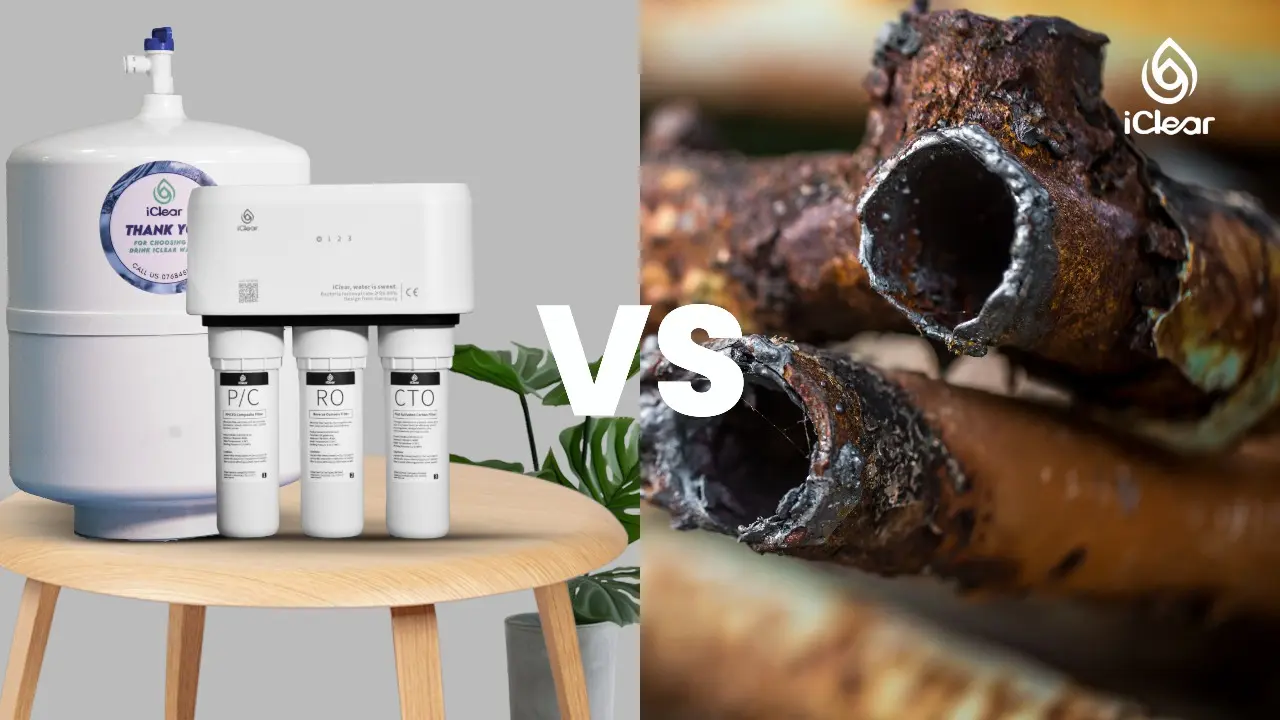
When shopping for clean drinking water solutions in Kenya, many families ask the same question: “What is the real water purifier price, and is it worth it compared to bottled water or dispensers?” At first glance, an RO water purifier may look like a bigger investment. But when you take a closer look, the numbers tell a different story one that proves an iClear purifier is not only affordable but also the smartest long-term choice. The Upfront Cost of a Reverse Osmosis Water Purifier In Kenya, the price of a quality RO water purifier ranges between KSh 25,000 and KSh 100,000, depending on the brand, model, and water capacity. For example, international names like Kent and Pureit are well-known, but iClear offers equally advanced RO systems at competitive local prices. With an iClear Standard – Affordable Water Purification System for Homes you get a robust RO system designed specifically for Kenyan households perfect whether you're dealing with municipal water in Nairobi or borehole water in Mombasa. The Hidden Cost of Bottled Water and Dispensers Now let’s compare that to bottled water. A 20-litre refill costs around KSh 200 in Nairobi. For a family of four consuming about 80 liters a week, that adds up to KSh 40,000 per year. Add the cost of a dispenser unit (around KSh 15,000), and the expense skyrockets over time. In just three years, you could spend well over KSh 130,000 on bottled water alone. For a deeper comparison, see our breakdown of the differences, advantages, and disadvantages of dispensers vs water purifiers. By contrast, once you purchase an iClear Reverse Osmosis water purifier, your only recurring cost is annual filter replacement (about KSh 9,000)—bringing your total 3-year expense to less than KSh 30,000, a dramatic saving compared to bottled water. Health, Convenience, and Savings Combined Beyond price, there’s peace of mind. Bottled water circulates through many hands, raising hygiene and storage concerns. With a Reverse Osmosis purifier, you filter water right at home, ensuring consistent safety and freshness. Still unsure which purification method suits your needs? Check our detailed comparison: RO vs UV Water Purifiers: Which is Best in Kenya? For those juggling renters’ constraints or portability, consider the iClear Desktop Water Purifier — Portable RO Dispenser with Instant Hot Water. It offers instant hot water and full RO purification in a compact, plug-and-play design. If you’re setting up in an office environment, the iClear Desktop Water Purifier delivers high purification with sleek design suited for both homes and small offices. Conclusion The numbers don’t lie: while the upfront cost of a Reverse Osmosis water purifier may seem high, the long-term savings combined with superior health, convenience, and flexibility make it the smartest move. Explore the iClear Standard, Premier, or Desktop models to find the perfect fit for your family or workspace and start saving today.
Finding clean and safe drinking water is a top priority for many Nairobi residents. Whether you live in Kilimani, Westlands, or South B, the challenge is the same: municipal water quality can be inconsistent, and bottled water refills get expensive fast. That’s why more renters and homeowners are turning to an under-sink water purifier as a practical, cost-effective solution. Discreet and Space-Saving Design One of the biggest advantages of an under-sink water purifier is its compact design. Unlike bulky dispensers or countertop filters that take up valuable kitchen space, this system fits neatly inside your cabinet. For apartment living in Nairobi, where every inch of space matters, it’s the perfect choice. You get all the benefits of purified water without sacrificing aesthetics or convenience. To understand how under-sink units compare to other options, see our guide on the differences, advantages, and disadvantages of dispensers vs water purifiers. Renter-Friendly and Non-Permanent Installation A common concern for tenants is whether their landlord will allow the installation of a water system. The good news? Modern under-sink water filters can be installed without drilling new holes or making permanent changes to your plumbing. At iClear, our team uses smart installation techniques so that, when you move, the purifier can be uninstalled in less than 30 minutes, and your kitchen is left just as it was. For those who prefer a plug-and-play option, the iClear Desktop Water Purifier is a renter-friendly alternative that requires no plumbing at all. Better Value Than Bottled Water If you rely on bottled water, you already know how quickly the costs add up. A family in Nairobi can spend over KSh 40,000 per year on refills alone. By comparison, investing in the best under-sink RO water filter from iClear pays for itself within the first year. After that, the only expense is a simple filter replacement, making it far more affordable in the long run. Conclusion For Nairobi renters looking for a smart, discreet, and affordable solution, the under-sink water filter is unbeatable. It saves space, saves money, and ensures your family always has safe drinking water.
Get clear answers to the top 10 most common questions about water purifiers. Learn how they work, which one to choose, maintenance tips, and more. Clean drinking water is one of the most important essentials for a healthy life. With rising concerns about water pollution, heavy metals, and chemicals in tap water, water purifiers have become a common household need. But with so many types available RO, UV, UF, carbon filters, and many more people feel confused about how they work, which one to choose, and how to maintain them. To clear things up, we’ve put together answers to the top 10 most frequently asked questions about water purifiers. Whether you’re a first-time buyer or already using one, these answers will help you make smarter decisions about your drinking water. How Do Water Purifiers Work? Water purifiers work by removing contaminants such as dirt, chlorine, heavy metals, and harmful microorganisms from your water. Different technologies target different impurities. For example, Reverse Osmosis (RO) removes dissolved salts and heavy metals, UV purifiers kill bacteria and viruses, while carbon filters remove chlorine and improve taste and odor. Many modern purifiers combine these methods for complete protection. Which Type of Water Purifier Is Best? The best water purifier depends on your water source: RO Purifiers: Best for hard water with high TDS (Total Dissolved Solids) or areas with industrial pollution. UV Purifiers: Ideal for water that looks clear but may contain bacteria and viruses. UF Purifiers: Remove suspended particles, making water clearer and safer to drink. How Often Should I Replace My Water Filter? Most water purifier filters should be replaced every 6–12 months, depending on the type of purifier and water quality. For example, RO membranes usually last about 12 months, while UV lamps last about 9-12 months. Always follow the manufacturer’s instructions, but also watch for signs like unusual taste, smell, or reduced water flow. Is Reverse Osmosis Water Safe to Drink? Yes, RO water is safe because it removes harmful substances such as heavy metals, pesticides, and dissolved salts. Do I Still Need a Water Purifier If I Have Municipal (Piped) Water? Yes. Even treated municipal water can pick up contaminants from old pipes, chlorine by products, or bacteria along the distribution line. A purifier ensures an extra layer of protection before the water reaches your glass. Do water purifiers change the taste of water? Yes. Most purifiers, especially RO systems, improve taste by removing chlorine, chemicals, and salts. Some add minerals back into the water for a naturally fresh taste. How Do I Know If My Water Purifier Needs Maintenance? Common signs include: Change in taste or odor of water, Reduced water flow or pressure, Purifier making unusual sounds, Filter change indicator light (in advanced models) Regular servicing and timely filter changes keep your purifier working efficiently. Can I Install a Water Purifier Myself? Some purifiers, like gravity-based filters or countertop pitchers, are easy to set up. But advanced systems like Reverse Osmosis or UV purifiers require professional installation to ensure proper water pressure, drainage, and electrical connections. DIY installation of these systems may damage the unit or void the warranty. Is Boiled Water Better Than Purified Water? Boiling water kills most bacteria and viruses but does not remove chemical contaminants like pesticides, heavy metals, or fluoride. Purifiers especially Reverse Osmosis or multi-stage systems go further by eliminating both biological and chemical impurities, making them more reliable for everyday use. Do I Really Need a Water Purifier If I Use Bottled Water? Bottled water may seem convenient, but it isn’t always safer. Studies have shown that bottled water can contain micro plastics and chemicals from plastic bottles. It’s also far more expensive in the long run and harmful to the environment due to plastic waste. A home purifier is a safer, eco-friendlier, and cost-effective choice. By answering these top 10 common questions, you now have the knowledge to make an informed choice for your family’s health. Clean water isn’t just about quenching thirst it’s about long-term wellness.
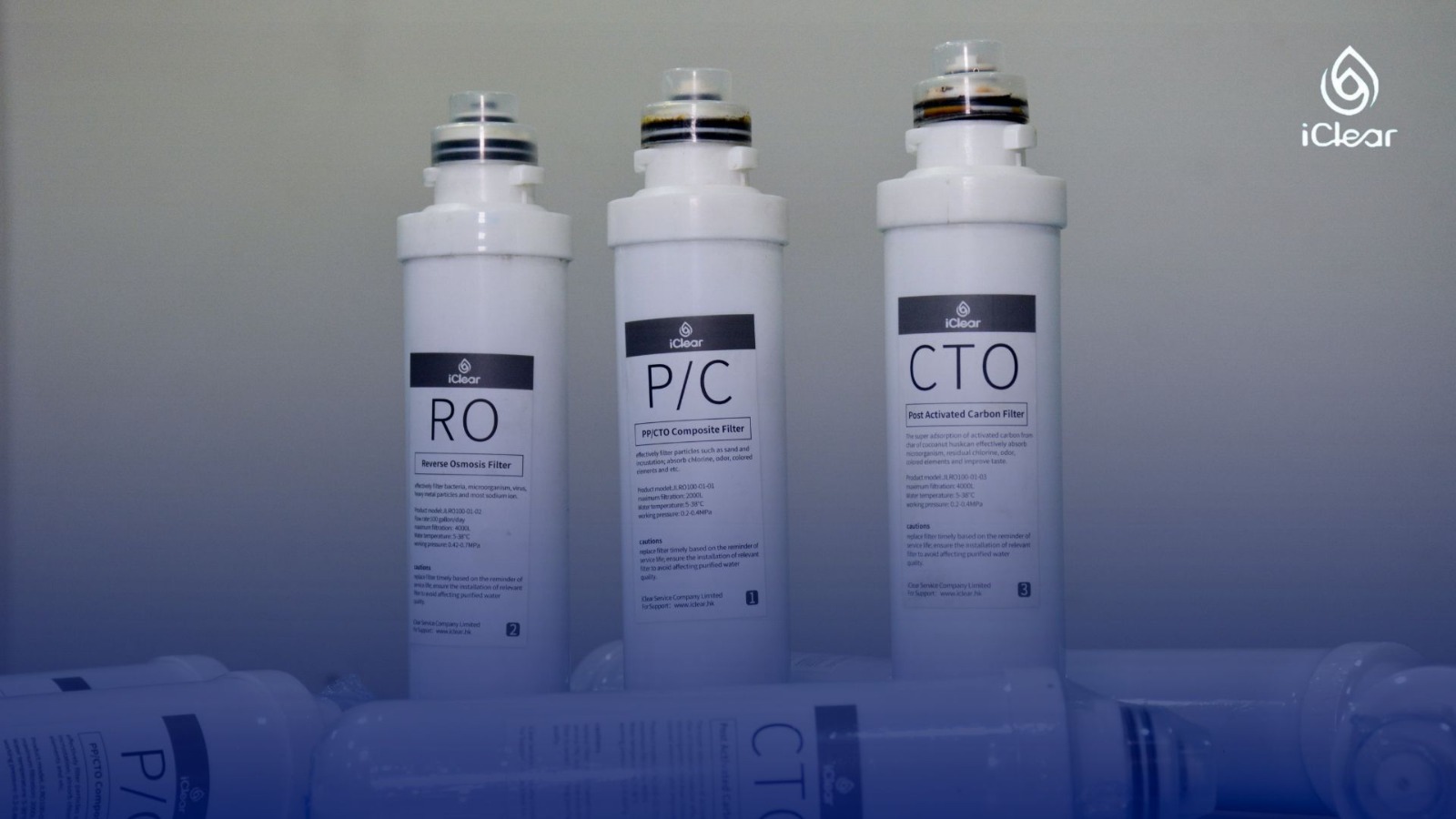
Learn when to replace your Reverse Osmosis (RO) water filters, how each filter works, and simple maintenance tips to keep your water clean and safe. If you’re committed to having pure, great-tasting drinking water at home, you’ve probably heard of a Reverse Osmosis (RO) system. This advanced system is one of the most effective ways to filter out harmful substances, capable of removing up to 99% of contaminants such as chlorine, lead, fluoride, nitrates, pesticides, and even some bacteria. But here’s something many homeowners overlook: your RO system only works if you replace its filters on time. Like any filtration system, the filters inside your RO unit eventually get clogged with particles and contaminants. So, how often should you replace your RO water filters? Let’s break it down in simple terms. Understanding the Parts of an RO System Unlike a single filter pitcher or faucet attachment, a Reverse Osmosis system is made up of multiple stages, each playing a unique role in cleaning your water. Together, they act like a professional team, making sure your water is not just clear, but truly safe. Sediment Filter – Removes dirt, rust, dust, and large particles that can clog the system. Carbon Pre-Filter – Traps chlorine and chemicals that can damage the RO membrane. RO Membrane – The "heart" of the system, filtering out dissolved salts, heavy metals, and microscopic contaminants. Post-Carbon (Polishing) Filter – Improves taste and odor, ensuring the water is crisp and refreshing. Each of these filters has its own replacement schedule some need to be changed every few months, while others can last for years. How Often Should You Replace Reverse Osmosis Filters? Here’s the typical replacement timeline for an Reverse Osmosis system: Sediment Filter: Every 6–12 months Carbon Pre-Filter: Every 6–12 months RO Membrane: Every 1–2 years (depending on water quality and household usage) Post-Carbon Filter: Every 12 months Storage Tank Cleaning: Once per year Signs Your Reverse Osmosis Filter Needs Replacing Even if you follow the timeline, sometimes your water gives you early warning signs that it’s time for a filter change: Blinking Indicator Lights: Most machines are equipped with alert systems. A blinking or solid light often signals that maintenance is required — particularly a filter change. No Water Production: If the machine stops producing water entirely, it's often due to clogged filters restricting flow. Reduced Water Flow: A noticeable decrease in the amount of water being produced typically means the filters are nearing the end of their lifespan and are becoming blocked. If you notice any of these signs, don’t wait replace your filters right away. Here’s the rule of thumb: change the pre-filters every 6–12 months, the post-filter once a year, and the RO membrane every 1–2 years. With this schedule, your system will keep running smoothly, giving you peace of mind and refreshing water for years to come.
How to make borehole water safe to drink in Kenya. Learn about purification methods, water testing, and the best solutions for households. Borehole Water in Kenya: A Common but Risky Source In Kenya, especially in areas where municipal water supply is unreliable, boreholes are a lifeline for households, schools, and businesses. From Nairobi’s outskirts in Kitengela and Syokimau to rural counties like Machakos and Kitui, thousands of families depend on borehole water every day. While borehole water is abundant, it isn’t always safe for drinking. It may can contain excess minerals (hard water), bacteria, viruses, pesticides, or even heavy metals picked up as it filters through the soil and rocks.The good news? There are proven ways to make borehole water clean and safe. Step 1: Test the Water Quality Before choosing a treatment method, it’s important to know what’s in your borehole water. In Kenya, you can have your water tested for: TDS (Total Dissolved Solids): Measures hardness caused by minerals like calcium and magnesium. Microbial contamination: Checks for bacteria such as E. coli. Chemical contaminants: Looks for nitrates, fluoride, and heavy metals. Many local labs and water companies in Nairobi and Mombasa offer affordable testing services. This step ensures you pick the right solution for your household. Step 2: Boiling for Emergency Use For short-term or emergency situations, boiling water is the simplest way to kill bacteria and viruses. However, boiling doesn’t remove chemical pollutants or excess minerals. This makes it useful as a temporary measure but not a long-term solution for borehole users. Step 3: Install a Water Purifier For everyday household use, a water purifier is the most effective solution. The right purifier depends on your water’s condition: RO (Reverse Osmosis) Purifiers: Best for borehole water with high TDS and hardness. They remove excess salts, heavy metals, and improve taste. UV Purifiers: Kill bacteria and viruses, making them ideal where microbial contamination is the main issue. RO + UV + UF Purifiers: Advanced systems that combine multiple technologies for areas where borehole water has both mineral overload and microbial risks common in Nairobi estates and coastal towns like Mombasa. By installing a purifier, families can access safe drinking water straight from the tap without depending on bottled water. Why This Matters in Kenya According to the Ministry of Health, contaminated drinking water is a leading cause of diarrheal illnesses, especially among children. By investing in proper treatment whether at household or community level families can reduce hospital visits, cut medical costs, and enjoy peace of mind knowing their water is safe. Conclusion Borehole water is a valuable resource for Kenyan households, but safety cannot be taken for granted. The best approach is a combination of testing, purification, and maintenance. Whether you live in Nairobi, Mombasa, Kisumu, or rural areas, making borehole water safe means protecting your family’s health and ensuring long-term access to clean drinking water. A water purifier, especially one with reverse osmosis technology, is the most reliable investment. It transforms borehole water into safe, great-tasting water giving your family both confidence and comfort with every sip.
As children, our parents made countless sacrifices to ensure we had the best life possible. Now, as they age, the roles slowly shift, and it becomes our turn to care for their well-being. While many people think of gifting clothes, jewelry, or even vacations, sometimes the most powerful gift is something practical something that improves their daily life in a meaningful way. That’s why a water purifier might just be the most thoughtful and life-changing present you can give your aging parents. Clean Water: A Daily Necessity, Not a Luxury We often take clean water for granted. Yet, not all water that flows from the tap is safe. It can contain bacteria, viruses, pesticides, or even heavy metals that slowly harm the body. For seniors, whose immune systems are not as strong as they once were, these contaminants can cause serious health problems. A water purifier ensures that every sip they take is pure, safe, and refreshing. It’s not just about hydration it’s about giving them daily protection against illnesses that can be prevented with something as simple as clean water. Protecting Their Health from Hidden Dangers As parents grow older, their bodies become more sensitive to infections. Even minor stomach upsets can lead to dehydration or other complications. Waterborne diseases like typhoid, diarrhea, or cholera may not be common in every household, but even small traces of contamination can weaken their health. With a purifier, these risks are greatly reduced. By removing harmful bacteria and filtering out chemicals, you’re safeguarding their health in a way no other gift can. In fact, you’re giving them the gift of strength and resilience. Supporting Digestion and Medication Safety Many elderly people face digestive issues that make it harder for their bodies to absorb nutrients. Drinking clean, purified water makes digestion smoother and helps nutrients get absorbed more effectively. Encouraging Hydration by Improving Taste It’s no secret many older adults don’t drink enough water. Sometimes, it’s simply because the tap water tastes metallic, salty, or unpleasant. A purifier solves this problem by enhancing the taste of water, making it fresher and more enjoyable. When water tastes better, they’ll drink more of it, which helps keep them hydrated, energetic, and mentally sharp. It’s a small change that can make a big difference in their quality of life. A Cost-Effective and Eco-Friendly Alternative Bottled water might seem like a quick solution, but over time, it becomes costly and unsustainable. Carrying heavy bottles home can also be tiring for seniors. Worse, plastic bottles harm the environment. A purifier, on the other hand, is a one-time investment that provides safe drinking water every day. It saves money in the long run, reduces plastic waste, and is much more convenient for aging parents. A Gift That Lasts for Years Unlike flowers that fade or electronics that quickly go out of fashion, a water purifier is a gift that keeps giving. It’s practical, durable, and directly tied to health. It’s something they will use multiple times every single day. The best part? Each sip will remind them of you and the thoughtfulness behind your choice. That’s what makes it one of the most meaningful gifts you can offer. Choosing the Right Purifier for Your Parents Not all purifiers are the same. Some use RO (Reverse Osmosis) technology, which is ideal for filtering out heavy metals and salts. Others use UV (Ultraviolet) purification, which kills bacteria and viruses. UF (Ultrafiltration) systems are simple, reliable, and effective for many households. When choosing for elderly parents, focus on: Ease of use: Simple buttons, easy refill options. Low maintenance: Systems that don’t require frequent servicing. Accessibility: Designs that make it easy for seniors to operate without strain. By considering their lifestyle and comfort, you ensure they’ll enjoy the gift without hassle. Conclusion Sometimes, the most practical gifts turn out to be the most meaningful
Feeling the Chill? Kenya’s cold season often makes people shy away from drinking enough water. Many turn to boiling water for safety and warmth, but let’s be honest it takes time, fuel, and sometimes changes the taste. That’s where water purifiers come in. They provide safe, clean water instantly, whether you want it warm for tea or cool for refreshment. Why Water Purifiers Are the Smarter Choice Water purifiers solve these problems quickly and efficiently. With modern filtration systems, they remove bacteria, parasites, and even chemical pollutants something boiling alone cannot guarantee. Benefits include: Instant access to clean water without waiting for it to cool. Better taste because filters remove odors and sediments. Cost savings by reducing fuel and electricity bills. Consistency, ensuring your family has safe water all year round. And here’s the best part you can still warm the purified water for tea or porridge without worrying about contamination. Stay Healthy, Even in the Cold Cold weather lowers our natural urge to drink water, yet our bodies still need hydration. Having a purifier at home makes it easier to keep water safe, fresh, and appealing to drink. It keeps your family healthy by reducing the risk of waterborne diseases. We know it’s cold, but your family’s need for clean water doesn’t stop. Instead of relying only on boiling, invest in a water purifier a reliable, cost-effective, and convenient solution. Whether you prefer your water warm or cool, a purifier ensures every sip is safe
Access to safe water is still a challenge in Kenya, both in rural villages and urban areas like Nairobi. Old water pipes, sewage leaks, and contaminated wells put families at risk of diseases that could easily be prevented. Clean water is about protecting lives. Common Waterborne Illnesses Unsafe water is responsible for several common illnesses: Cholera causes severe watery diarrhea and dehydration, often spreading quickly during floods. Typhoid fever, caused by Salmonella typhi, leads to fever, stomach pain, and fatigue. Diarrheal diseases remain a leading cause of death among children under five. Dysentery brings bloody diarrhea and cramps. Hepatitis A spreads through contaminated water, affecting the liver. Giardiasis and bilharzia are parasitic infections common in rural areas where rivers and ponds are used for washing. Why Are Kenyans at Risk? Even where water is available, contamination is widespread. In informal settlements, poor sanitation pollutes nearby water sources. In cities like Nairobi, old pipes and illegal connections often allow for the contamination of water before it reaches homes. Children, pregnant women, and the elderly are especially vulnerable. How to Prevent Water-Related Illnesses The good news is that most of these diseases are preventable. Simple practices go a long way: Boil or filter drinking water, Use water purifiers for reliable long-term protection, Store water in clean, covered containers with taps, Wash hands before eating and after using the toilet. Why Water Purifiers Matter Unlike boiling, which only kills germs, purifiers also remove parasites and chemicals. They are safer, faster, and more cost-effective in the long run making them an essential investment for households in Nairobi and beyond . Waterborne diseases remain one of Kenya’s biggest public health challenges, but prevention starts at home. By improving hygiene and using purifiers or filters, families can protect themselves and secure a healthier future. Clean water is a right for all of us.
If you have noticed white spots on your dishes, a stubborn film on your bathroom fixtures, or dull hair after washing, you might be dealing with hard water. Hard water is water that contains high levels of minerals, particularly calcium and magnesium. While it’s not immediately harmful to your health, it can affect your home appliances, your skin, your hair, and even the taste of your drinking water. This is where water purifiers especially advanced systems like RO (Reverse Osmosis) purifiers come in. How Hard Water Affects Your Daily Life Hard water can cause more trouble than just scaling on kettles and faucets. Over time, mineral buildup can damage appliances like washing machines, coffee makers, and dishwashers, leading to higher maintenance costs. It can also make soaps and detergents less effective, meaning you use more for the same cleaning results. For drinking purposes, hard water often has a metallic or bitter taste that many people find unpleasant. Why You Need a Water Purifier for Hard Water An effective water purifier can drastically improve the quality of hard water. Reverse Osmosis purifiers, for instance, use a semi-permeable membrane to remove excess minerals, ensuring clean, safe, and better-tasting water. Some purifiers also include additional filtration stages to enhance taste, remove contaminants, and balance pH levels, making your water healthier for cooking, drinking, and even for your skin and hair. Choosing the Right Water Purifier for Hard Water When dealing with hard water, not every purifier will work efficiently. Look for systems specifically designed to handle high Total Dissolved Solids (TDS) levels. A Reverse Osmosis water purifier with a TDS controller is often the best option, as it not only softens the water but also retains essential minerals for your health. Make sure to also consider the purifier’s capacity, maintenance needs, and certification for quality assurance. Protect Your Health and Home Investing in a high-quality Reverse Osmosis water purifier is one of the most effective ways to protect your home and improve your daily life. Ready to enjoy cleaner, softer, and better-tasting water? Explore our range of Reverse Osmosis water purifiers designed to handle hard water challenges. Contact iClear today and take the first step towards healthier, safer water for your family.
A water purifier is your first line of defense against harmful contaminants. With rising concerns about water pollution, bacteria, heavy metals, and chemical residues, investing in the best water purifier for your home is a must. Choosing the wrong system could mean you’re still consuming unsafe water, which can impact your health in the long run. What to Look for in a Good Water Purifier. Step 1: Check Filtration Capacity The best water purifier should meet your household’s daily needs. For a family of four, a purifier producing 7–8 liters per day is ideal. Step 2: Look for Trusted Certifications Choose models with accredited certifications eg KEBS to ensure the purifier meets strict global safety and performance standards. Step 3: Consider Maintenance and Filter Replacement Costs Regular maintenance is key to clean, safe water. Find out how often filters need replacing and the associated costs. Many systems require filter changes every 6–12 months. Step 4: Storage Capacity for Reliability If you live in an area with power cuts, a purifier with a 7–10 liter storage tank ensures you always have purified water available. Step 5: Warranty and After-Sales Service A long warranty period and responsive customer support give you peace of mind and protect your investment. Step 6: Space-saving designs- perfect for busy homes and small kitchens. Mistakes to Avoid Avoid buying the cheapest purifier without checking quality,or ignoring long-term maintenance costs. These mistakes can lead to unsafe drinking water and higher expenses in the future. Ready to enjoy pure, healthy drinking water? Contact us today to explore our range of high-quality water purifiers designed for every home and budget. Our experts will help you choose the perfect model based on your water quality and needs.
Buying Guides & Tips
Water Quality Insights
Water Purification
Water Purification
Water Quality Insights
Health & Wellness
Product Guides
Maintenance & Troubleshooting
Product Guides
Product Guides