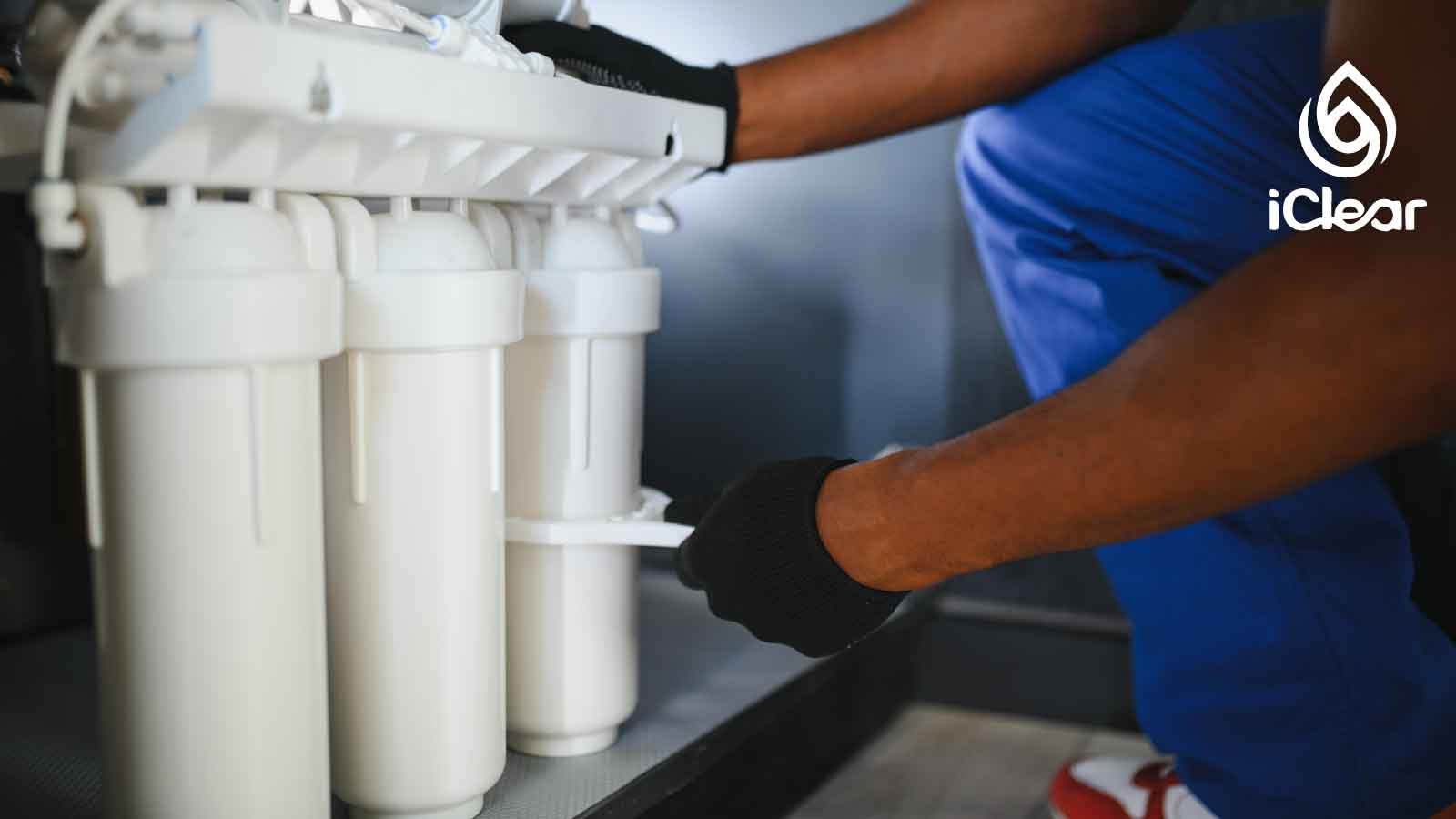
A 30 to 50% drop in output flow is usually caused by a clogged pre-filter, low inlet pressure or a faulty check valve, all of which are straightforward to diagnose and fix. How RO Output Works Reverse osmosis systems are pressure-driven. The pump or incoming water pressure forces water across the RO membrane, filling a pressurised storage tank. The system produces a slow, steady trickle into the tank, typically 50–150 litres per day for a household system, which accumulates for on-demand use. When output slows, the tank takes longer to refill and you may run out of purified water during high-use periods. The Seven Most Common Causes of Low Output Cause Symptoms Fix Clogged PP sediment pre-filter Slow flow everywhere; discoloured first stage Replace pre-filter (every 3–6 months) Low inlet water pressure Slow output even when tank is empty Ensure inlet pressure ≥ 40 psi / 2.8 bar Fouled or expired RO membrane High TDS at tap; slow output Test membrane rejection rate; replace if <95% Faulty or stuck check valve Tank drains back when system is off Replace check valve Waterlogged or failed storage tank Rapid fill cycle; water at tap is flat or tasteless Check tank pre-charge pressure (5–6 psi / 0.35 bar); replace bladder if failed Kinked or pinched tubing No output on one line Inspect all tubing runs; remove kinks Cold water temperature Normal in harmless season variation Allow for 10–15% lower output in cold months; no action needed When to Call a Technician If steps 1–5 don't identify the problem, or if output has dropped to near zero, the issue may be a failed pump (in booster-pump systems), a cracked membrane housing or a faulty automatic shut-off valve. A qualified technician can diagnose these with a pressure gauge at each stage of the system. Q: My RO system is only 6 months old, can the membrane already be failing? A: A new membrane can fail prematurely if the pre-filters were not replaced on schedule, allowing sediment or chlorine to reach and damage the membrane. Always replace pre-filters first. Q: Will fitting a booster pump fix my low-pressure problem? A: A booster pump helps if low inlet pressure is the root cause. It won't fix a clogged filter or expired membrane, so diagnose the cause before investing in hardware. Keep your system performing at its best iClear's service team can diagnose and restore your system's output to factory specification. Find out more. Keywords: RO purifier low output Kenya, reverse osmosis slow flow, RO membrane troubleshooting, water purifier pressure
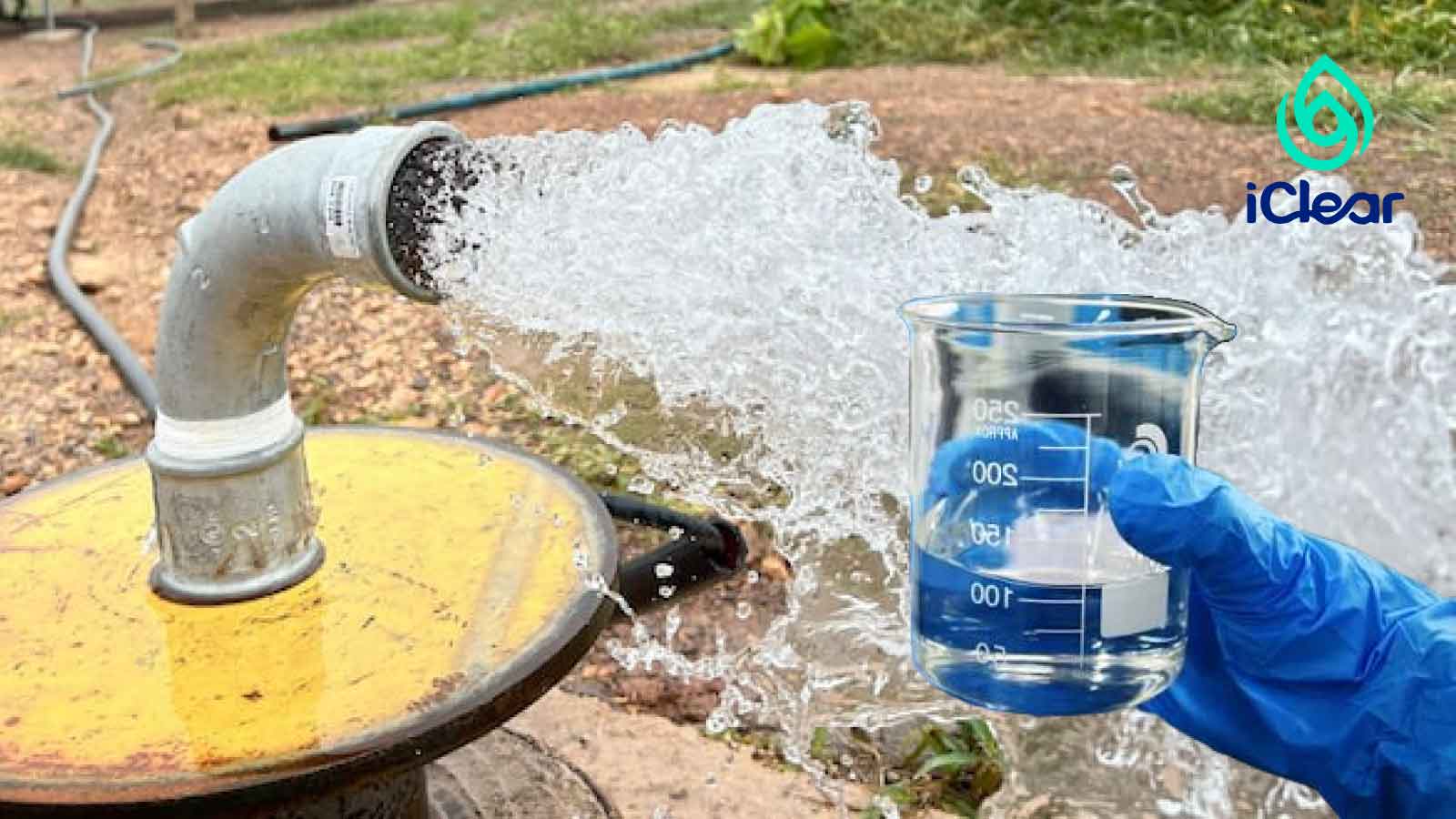
A newly drilled borehole must be flushed, disinfected and laboratory-tested before use as a drinking water source. Skipping these steps risks exposure to drilling fluid contaminants and geological minerals. What Happens During Drilling That Affects Water Quality Borehole drilling introduces several contamination risks that must be addressed before the water is safe to consume. Drilling equipment carries lubricants, hydraulic fluids and hydrocarbon residues. The drilling process can also mobilise geological materials, fluoride, arsenic, manganese and iron, that were previously bound in rock strata above the aquifer. Additionally, the drilling process disrupts the natural groundwater flow around the borehole, often temporarily drawing in shallower, less-protected water from surface layers. This typically clears within days but must be confirmed by testing. The Mandatory Commissioning Steps Kenya Water Resources Authority (WRA) and KEBS KS 459 specify the following steps before a borehole is approved for domestic use: Step Purpose Who Performs It Yield test (pumping test) Establish sustainable abstraction rate Licensed drilling contractor Development flushing Flush drilling contaminants from the aquifer Drilling contractor Borehole disinfection Shock-chlorinate to kill introduced bacteria Drilling contractor / water engineer Physical-chemical test Test TDS, pH, hardness, nitrate, fluoride, iron KENAS-accredited laboratory Bacteriological test Test for E. coli and coliforms KENAS-accredited laboratory WRA abstraction licence Legal authorisation to abstract Water Resources Authority Source: Kenya Water Resources Authority, Borehole Drilling Guidelines; KEWI Water Quality Lab Services. Common Findings in New Borehole Water High iron and manganese: causes orange/brown staining and metallic taste, aesthetically unpleasant and at high levels poses health concerns. Elevated fluoride: common in Rift Valley geology; above 1.5 mg/L causes dental fluorosis; above 4 mg/L risks skeletal fluorosis. High total hardness: not a health risk but causes scale buildup and interferes with soap and appliances. Elevated TDS: a marker for dissolved mineral load; requires further testing to identify specific parameters. Which Treatment Is Right for Your Borehole? The correct treatment system depends on your laboratory results. Reverse osmosis is highly effective for reducing fluoride, nitrates, heavy metals, and overall TDS. Where iron levels are very high, a pre-treatment iron removal unit is recommended before the RO membrane to extend membrane life. Q: My driller says the water looks clear so it must be safe, is that right? A: Clarity alone is not an indicator of safety. Fluoride, nitrates and many bacteria produce no visible change in water appearance. Laboratory testing is the only reliable method. Q: How long after drilling should I wait before using the borehole? A: At minimum 72 hours after shock chlorination and flushing. Testing results must confirm safety before regular use begins. Start your borehole right iClear assesses your laboratory results and recommends the right treatment solution for your specific water chemistry. Find out more. Keywords: new borehole safety Kenya, borehole water testing Nairobi, borehole commissioning Kenya, is borehole water safe
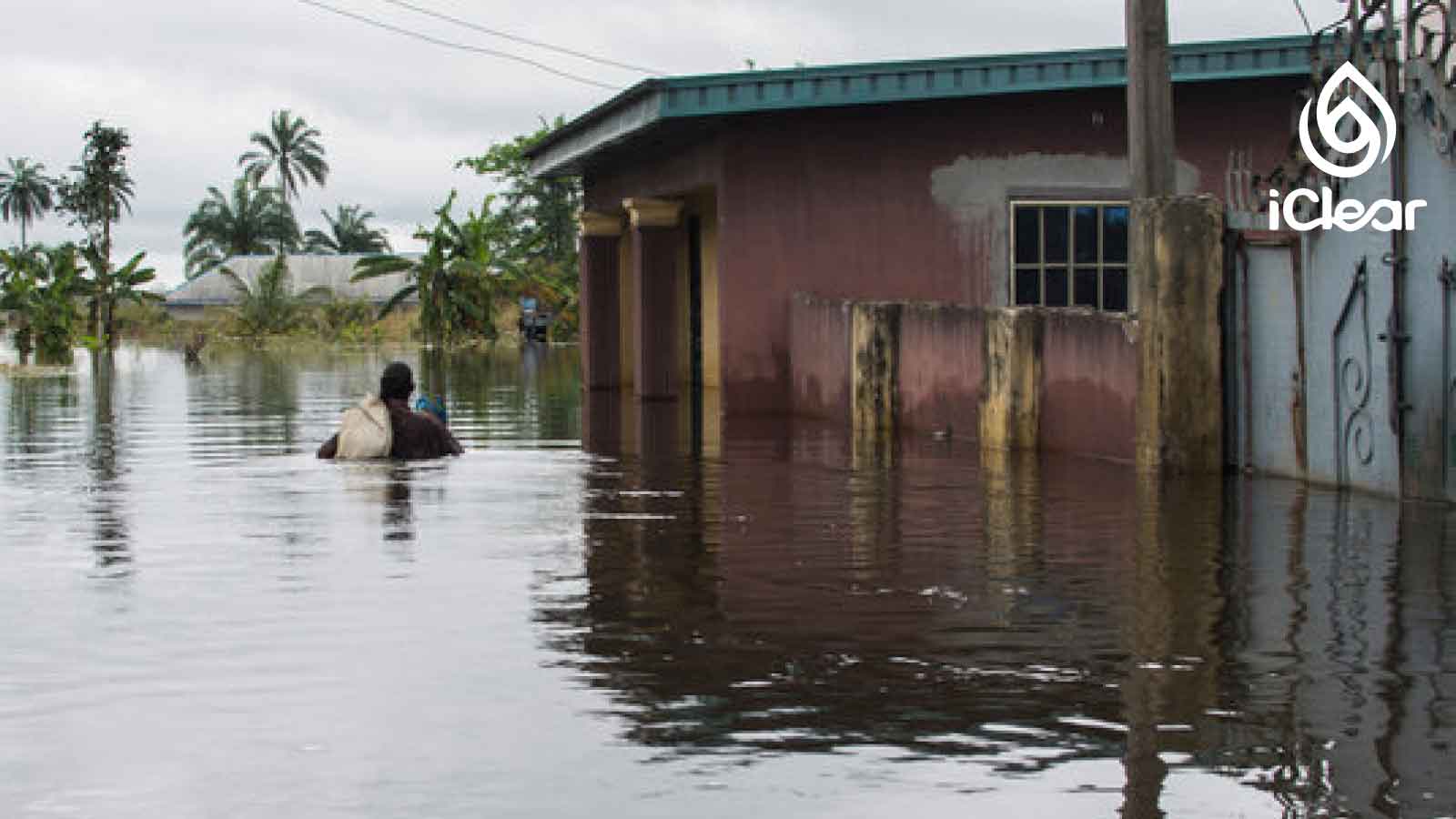
Original publication date: 14 October 2026 Summary: People Daily features iClear Water specialist explaining how El Nino rains and flooding can contaminate household water sources with sewage, agricultural chemicals, animal waste and other pollutants. The article examines the limitations of boiling and chlorination, the role of reverse osmosis in removing microorganisms, dissolved salts and certain chemical contaminants, and practical measures households can take to reduce the risk of waterborne diseases, including safe water treatment, proper storage and hygiene. To Read the article click here: People Daily
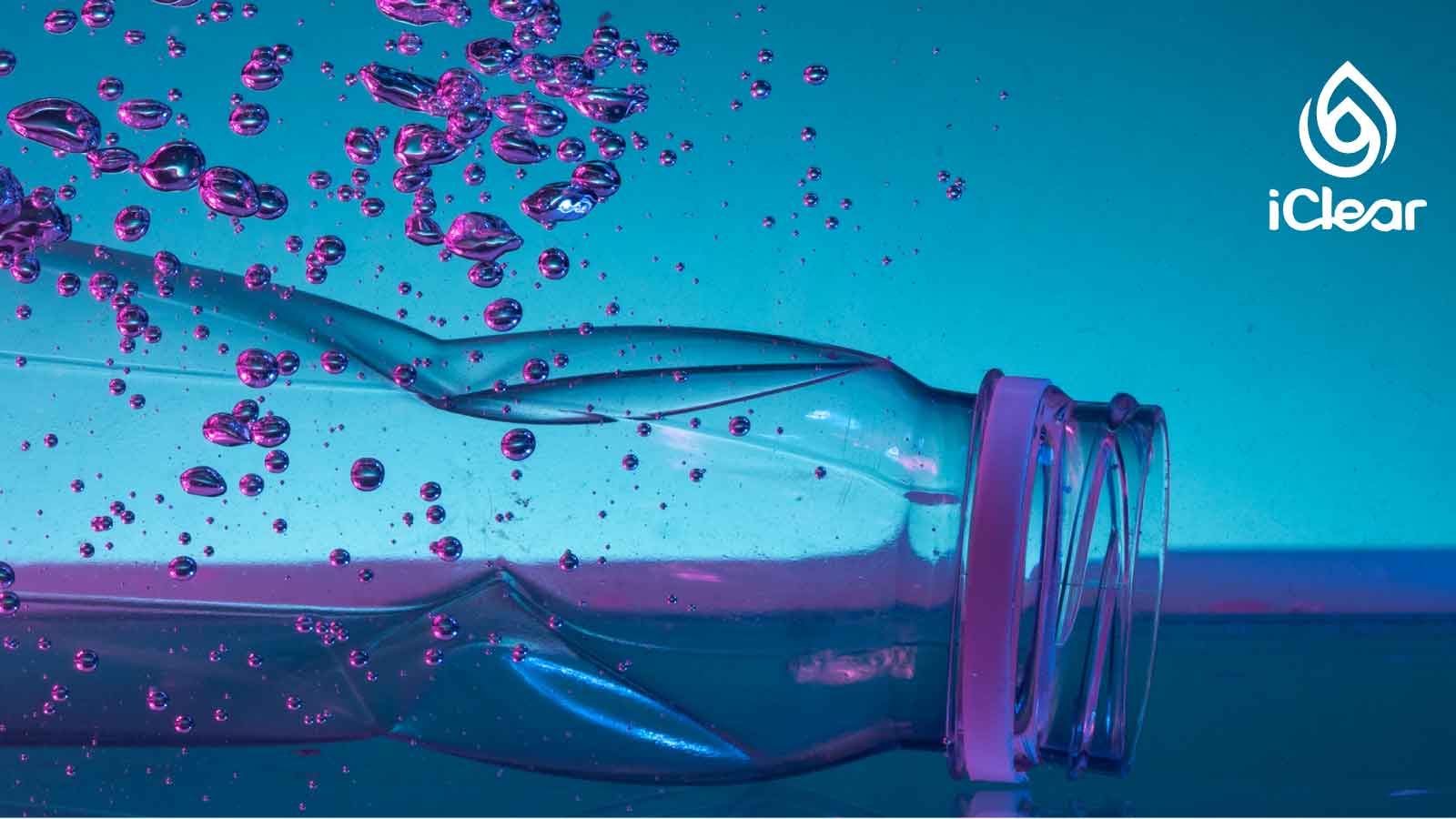
Plastics numbered 1 (PET), 2 (HDPE) and 5 (PP) are considered food-safe for cold water storage. Plastics 3, 6 and 7 should be avoided, particularly at high temperatures. The Plastic Resin Code System The recycling symbols on the base of plastic containers, numbers 1 through 7, identify the type of resin used in manufacture. These codes matter for water safety because different resins have different chemical stability profiles and leach different compounds under different conditions. Resin Code Plastic Type Water Storage Safety 1, PET Polyethylene terephthalate Safe for single use; do not refill indefinitely 2, HDPE High-density polyethylene Safe; used in most water jerry cans 3, PVC Polyvinyl chloride Avoid; can leach chlorine compounds and lead 4, LDPE Low-density polyethylene Generally safe at room temperature 5, PP Polypropylene Safe; heat-resistant and stable 6, PS Polystyrene Avoid; leaches styrene, a suspected carcinogen 7, Other Mixed or polycarbonate Avoid PC (contains BPA); others vary The Temperature Factor Even food-safe plastics become more problematic at high temperatures. A PET bottle left in a vehicle in Nairobi's sun, where interior temperatures can exceed 60°C, can leach acetaldehyde, phthalates and antimony into the water it contains. Studies show that leaching rates increase exponentially with temperature: antimony concentrations in PET water bottles stored at 60°C for two weeks were 630 times higher than in bottles stored at 25°C. Source: Antimony and BPA leaching from PET bottles at elevated temperature, Green Matters. Reusing Plastic Water Bottles Single-use PET water bottles (resin code 1) are not designed to be refilled repeatedly. The surface develops microscratches that harbour bacteria, and repeated washing, especially with hot water or dishwasher cycles, accelerates chemical breakdown and leaching. Independent tests have found that repeatedly refilled PET bottles can contain bacteria counts exceeding those found in toilet water. Source: Bacterial contamination in reused single-use bottles, NKY Tribune. Safe Storage Recommendations Use food-grade HDPE (code 2) or PP (code 5) containers for household water storage. Store water containers out of direct sunlight and away from heat sources. Replace any container that is cracked, heavily scratched or discoloured. Never use containers that previously held non-food substances, traces of original contents can leach into stored water. Treat water before storage as well as at point of use for a double layer of protection. Q: Should I worry about the pipes in my house? A: PVC and CPVC pipes used in Kenyan plumbing are generally food-grade. The primary concern is older buildings that may have copper or lead solder joints, covered in a separate article on new plumbing. Store clean water in a safe system iClear's certified components ensure your water stays clean from the membrane to the tap. Find out more. Keywords: plastic container water safety, plastic leaching water Kenya, safe water storage containers, BPA free water storage
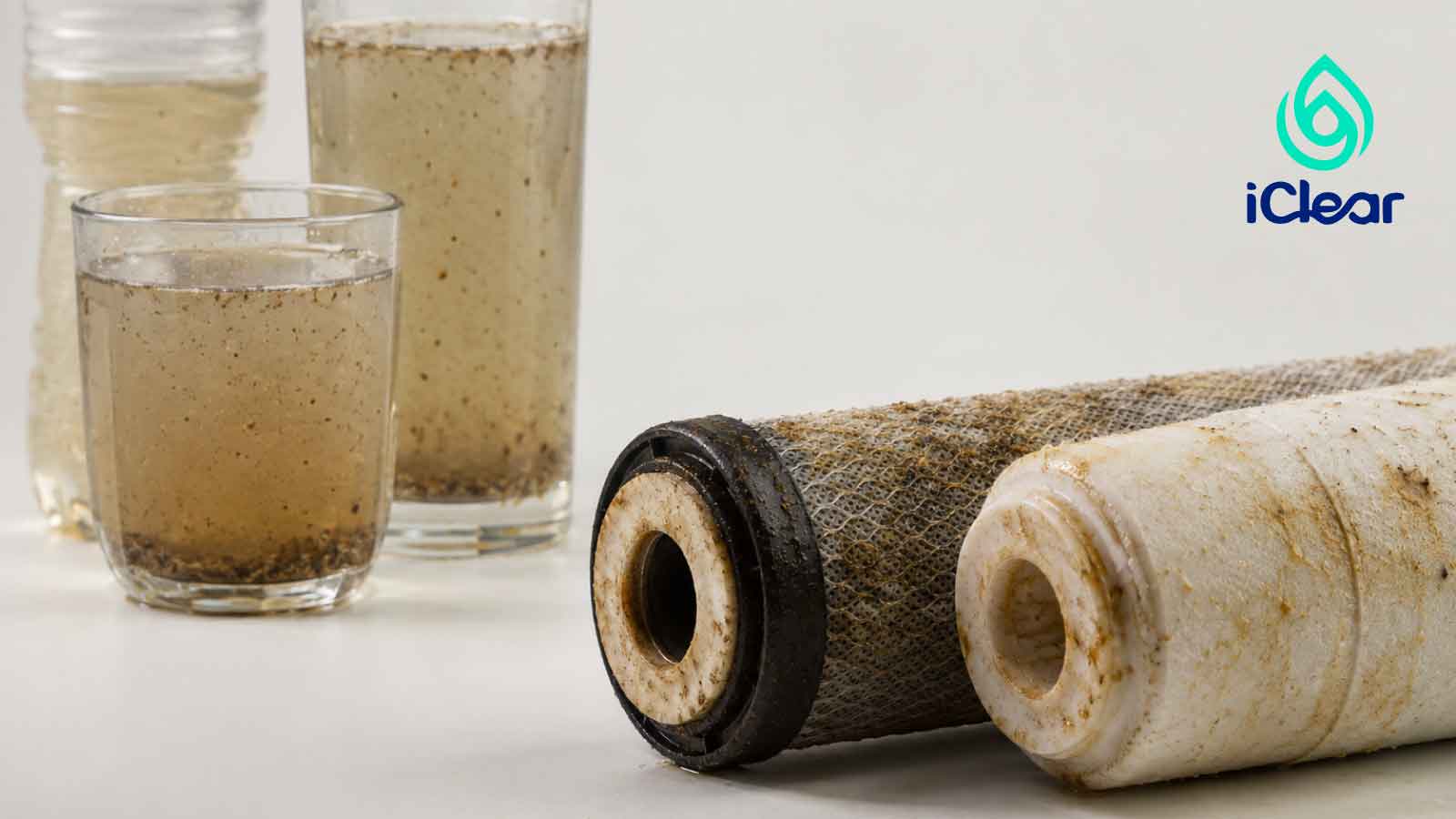
A clogged filter reduces flow rate and pressure, but a saturated carbon filter can release previously captured contaminants back into your water, a phenomenon known as - dumping. Replace on schedule, not just when pressure drops. The Three Failure Modes of an Ageing Filter Water filters don't simply stop working when they reach the end of their service life. Depending on the filter type, expiry manifests in three distinct and increasingly serious ways: 1. Reduced Flow and Pressure As a sediment pre-filter loads with particles, flow restriction increases. You may notice slower fill times, reduced pressure at the tap, or the RO storage tank taking longer to refill. This is the most visible sign of a spent filter and the one most homeowners act on. 2. Breakthrough, Contaminants Passing Through Unfiltered RO membranes have a finite capacity to reject dissolved solids. A membrane that has exceeded its service life shows declining rejection rates. A new membrane rejects >97% of total dissolved solids; a degraded one may only reject 80–85%, allowing fluoride, nitrates and heavy metals through at levels approaching the untreated source water. 3. Dumping, The Worst-Case Scenario Activated carbon filters work by adsorption: contaminants bind to the carbon surface. That surface area is finite. Once fully saturated, a carbon filter cannot adsorb any further contaminants, but temperature fluctuations, pH shifts or simply continued water flow can cause previously captured contaminants to desorb and re-enter the water stream. This means a severely overdue carbon filter can produce water with higher contamination than the unfiltered source. Recommended Replacement Schedule Component Typical Lifespan Primary Failure Mode if Overdue PP sediment pre-filter 3–6 months Restriction, bacterial growth in filter media Granular activated carbon 6–12 months Contaminant dumping Carbon block post-filter 6–12 months Taste degradation, chloramine breakthrough RO membrane 18–36 months TDS rejection decline, membrane fouling Mineralisation / alkaline filter 12 months Mineral depletion, acidic output Signs Your Filters Are Overdue Noticeable drop in flow rate or tap pressure. Return of chlorine taste or odour in filtered water. TDS reading at the tap approaching the level of your unfiltered source water. Visible discolouration in the first filter housing. Q: Can I just clean and reuse my RO membrane? A: RO membranes are not designed to be cleaned and reused by end users. Chemical cleaning by trained technicians can extend membrane life in some commercial contexts, but household membranes should be replaced on schedule. Q: How do I know what stage my system is at in its service life? A: The best practice is to log the installation date of each filter stage. A TDS meter measured before and after the membrane gives a real-time indication of membrane health between service dates. Never miss a filter replacement iClear's service schedule ensures every filter stage is replaced at the right time, every time. Find out more. Keywords: water filter replacement Kenya, expired water filter, RO membrane lifespan, filter replacement schedule
Kenya Water Act 2016 and KEBS KS 459 recommend testing private borehole water for bacteriological quality at least twice per year and for full chemical quality annually. The Set-and-Forget Mistake When a borehole is drilled and certified, owners often file the initial water quality report and assume no further testing is needed. But borehole water quality is not static. It changes with season, with changes in land use around the borehole, with ageing infrastructure and with the water table. A study of peri-urban boreholes in Kiambu County found that 44% of boreholes that passed their initial certification showed elevated coliform counts within 18 months. Source: Groundwater Quality Assessment in Kiambu County, Chuka University Repository. Recommended Testing Schedule Test Type Frequency What It Detects Bacteriological (E. coli, coliforms) Every 6 months Recent faecal contamination Physical-chemical (pH, TDS, hardness, nitrates) Annually Mineral imbalances, agricultural contamination Heavy metals (lead, arsenic, fluoride) Every 2–3 years or after change in local land use Industrial or geological leaching Pesticide residues After rainy season or nearby agricultural activity Agrochemical runoff Key Triggers for Unscheduled Testing Any flooding or significant rainfall event that reaches the borehole head. A change in the taste, colour or odour of the water. New construction, fuel storage or farming activity within 50 m of the borehole. A new household member joins who is immunocompromised, pregnant or an infant. Unexplained gastrointestinal illness in regular users. Where to Get Your Borehole Tested in Kenya Accredited laboratories for water testing include Kenya Water Institute (KEWI) in Nairobi, the Public Health Laboratory Services Branch labs in county hospitals, and several private analytical labs registered with the Kenya National Accreditation Service (KENAS). Source: Kenya Water Institute, Water Quality Testing Services. What Happens After Testing? If bacteriological contamination is found, the first step is to check the borehole casing for cracks or a loose wellhead seal. The borehole can be shock-chlorinated to disinfect the system, after which re-testing confirms effectiveness. For chemical contamination, the appropriate treatment depends on the specific parameter, RO filtration handles a broad range including nitrates, heavy metals and pesticides. Q: Is borehole water automatically safe because it comes from underground? A: No. Shallow boreholes are especially vulnerable to surface contamination. Even deep boreholes can have naturally occurring fluoride, arsenic or other minerals at levels above safe limits. Q: Can I test my borehole water myself? A: Home test kits provide a rough bacteriological indication but are not accredited for official purposes and may miss important chemical parameters. Laboratory testing from a KENAS-accredited facility is recommended for reliable results. Pair testing with reliable purification iClear's RO purifiers provide consistent protection between your scheduled borehole tests. Find out more. Keywords: borehole water testing Kenya, borehole water quality, how often test borehole, groundwater safety Kenya
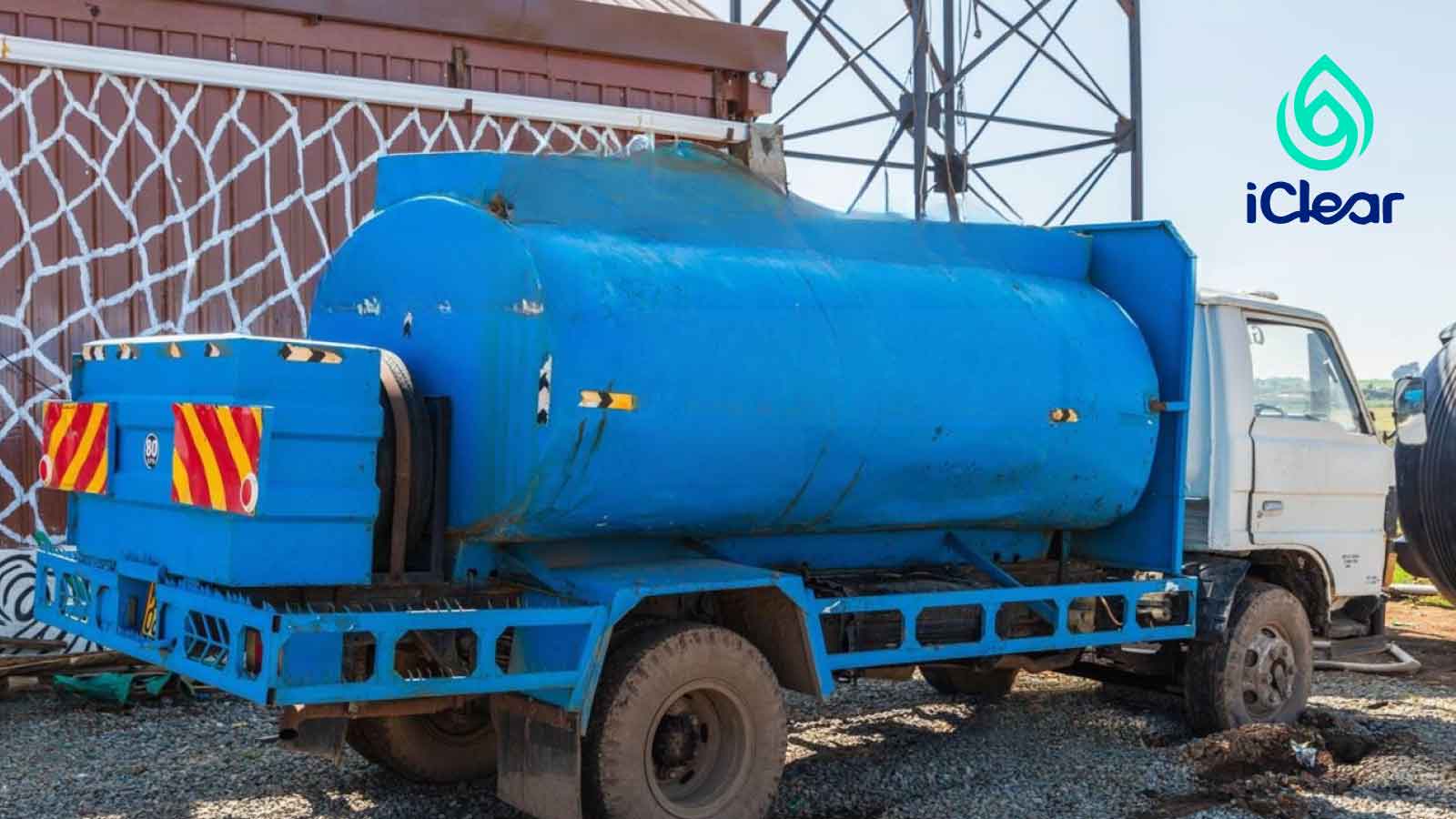
Independent testing of water trucks in Nairobi found coliform bacteria in over 60% of samples. Truck water should always be treated before drinking. Who Uses Water Trucks Water? A significant portion of households and businesses in Nairobi, Mombasa and other urban centres supplement, or entirely depend on, water delivered by tanker trucks, locally known as lorries. This is particularly true during water rationing, in peri-urban estates without piped connections and in informal settlements. AFIDEP estimates that approximately 3.9 million urban Kenyans use water purchased from vendors or trucks as their primary supply. What Testing Has Found Research published in the East African Medical Journal tested bowser water samples from 12 routes across Nairobi and found: Test Parameter WHO Limit % of Samples Exceeding Limit Total coliform bacteria 0 per 100 ml 63% E. coli 0 per 100 ml 41% Turbidity 1 NTU 28% Total dissolved solids 1,000 mg/L 19% Source: Microbiological quality of water sold by vendors in Nairobi, East African Medical Journal. Why Bowser Water Can Be Contaminated Tanker trucks often carry non-potable industrial water as well as drinking water, using the same compartments without adequate cleaning between loads. Tanks are rarely fully emptied between deliveries; residual water in the bottom supports bacterial growth. Flexible hoses used to fill household tanks are commonly stored on the ground, contaminating the fill line. Drivers may top up trucks from unregulated or partially treated sources during periods of high demand. Safe Storage Practices if You Use Bowser Water If bowser water is your primary source, these practices reduce contamination risk until a permanent solution is in place: Use a clean, covered storage tank, ideally with a tap, not an open scoop. Treat stored water with sodium hypochlorite (jik) at a rate of 1 ml per 10 litres, then allow 30 minutes contact time before use. Run all drinking and cooking water through a point-of-use RO purifier. Clean your storage tank quarterly, sediment accumulation at the base harbours pathogens. The Case for On-Site Purification A point-of-use RO purifier connected to your household tap treats water regardless of its source, whether municipal, borehole or bowser, so you have consistently safe drinking water even when your supply quality varies. The iClear Standard purifier is designed precisely for this scenario: it handles variable input quality and produces verified safe output at the tap. Q: Can I identify unsafe bowser water by colour or smell? A: Not reliably. Coliform bacteria and E. coli produce no visible colour or odour. Laboratory testing or on-site purification is the only reliable safeguard. Q: Is it legal to sell untreated bowser water in Nairobi? A: It is not. WASREB regulations require all commercial water vendors to supply treated water meeting Kenya Bureau of Standards KS EAS 12. Enforcement remains inconsistent. Treat any water source, reliably iClear purifies municipal, borehole and bowser water to KS EAS 12 standard at every pour. Find out more. Keywords: bowser water safety Kenya, water tanker quality Nairobi, is bowser water safe, water vendor Kenya
During the long rains, surface runoff carries agricultural chemicals, sewage and sediment into reservoirs and boreholes. Contamination peaks within 48 and 72 hours of heavy rainfall. Why Flooding is a Water Quality Emergency Kenya experiences two distinct rainy seasons, the long rains (March–May) and the short rains (October–December). Both bring intense downpours that routinely overwhelm municipal drainage systems and water treatment works. When flood water flows across farmland, settlements and industrial areas before reaching rivers and reservoirs, it carries a heavy load of contaminants. The 2023 El Niño floods caused at least 31 counties to report elevated turbidity in municipal water supplies, prompting WASREB to issue advisories for residents in Kisumu, Nakuru and parts of Nairobi to boil water before drinking. Source: WASREB Flood Advisory Update, November 2023. The Four Main Contaminants Introduced by Flooding Contaminant Source During Floods Health Risk E. coli / coliform bacteria Sewage overflow and animal waste Diarrhoeal disease, typhoid Nitrates Fertiliser runoff from farms Methemoglobinaemia in infants Turbidity / sediment Eroded soil and silt Harbours pathogens; reduces treatment efficacy Pesticide residues Agricultural land runoff Neurological and hormonal disruption (long-term) Are Boreholes Affected? A common misconception is that boreholes are protected from surface contamination. In reality, poorly sealed borehole casings allow flood water to short-circuit down the annular space between the casing and the borehole wall. Research conducted in Kiambu County showed that coliform counts in shallow boreholes increased by an average of 340% during the first week after heavy rainfall events. Source: Groundwater contamination during flood events, Kiambu County study. What Your Municipal Supplier Does, and Where the Gaps Are Nairobi Water and Sewerage Company and county utilities increase chlorine dosing during high-turbidity events. However, high sediment loads can bind with chlorine, reducing its effectiveness, and treatment plants can be overwhelmed during extreme events, leading to partially treated water reaching households. Turbidity above 4 NTU makes chlorination significantly less effective (WHO guideline: <1 NTU for treated water). Flooding can dislodge biofilm in distribution pipes, releasing bacteria into the supply. Pressure drops caused by burst mains allow back-siphonage of contaminated water. How to Protect Your Household During Rainy Season Continue running your RO purifier, it handles both biological and chemical contaminants. Replace sediment pre-filters promptly after a major flood event; they clog faster during high-turbidity periods. If you rely on a tank, cover it securely and avoid using it for the first 24 hours of a flood event to allow sediment to settle. If you experience a notable change in taste, colour or odour during rains, contact your purifier service provider to check your system. Q: Should I stop using my borehole during heavy rains? A: You should increase monitoring frequency. Have a water quality test done within 72 hours of any significant flood event on your property. Q: Will boiling alone make flood-contaminated water safe? A: Boiling kills most bacteria and viruses but does not remove nitrates, pesticides or sediment. RO filtration addresses biological and chemical contaminants together. Stay safe through every rainy season iClear's multi-stage purifiers handle surges in turbidity, bacteria and chemical load. Find out more. Keywords: Kenya flooding water safety, contaminated water rainy season, borehole flooding Kenya, water purifier rainy season
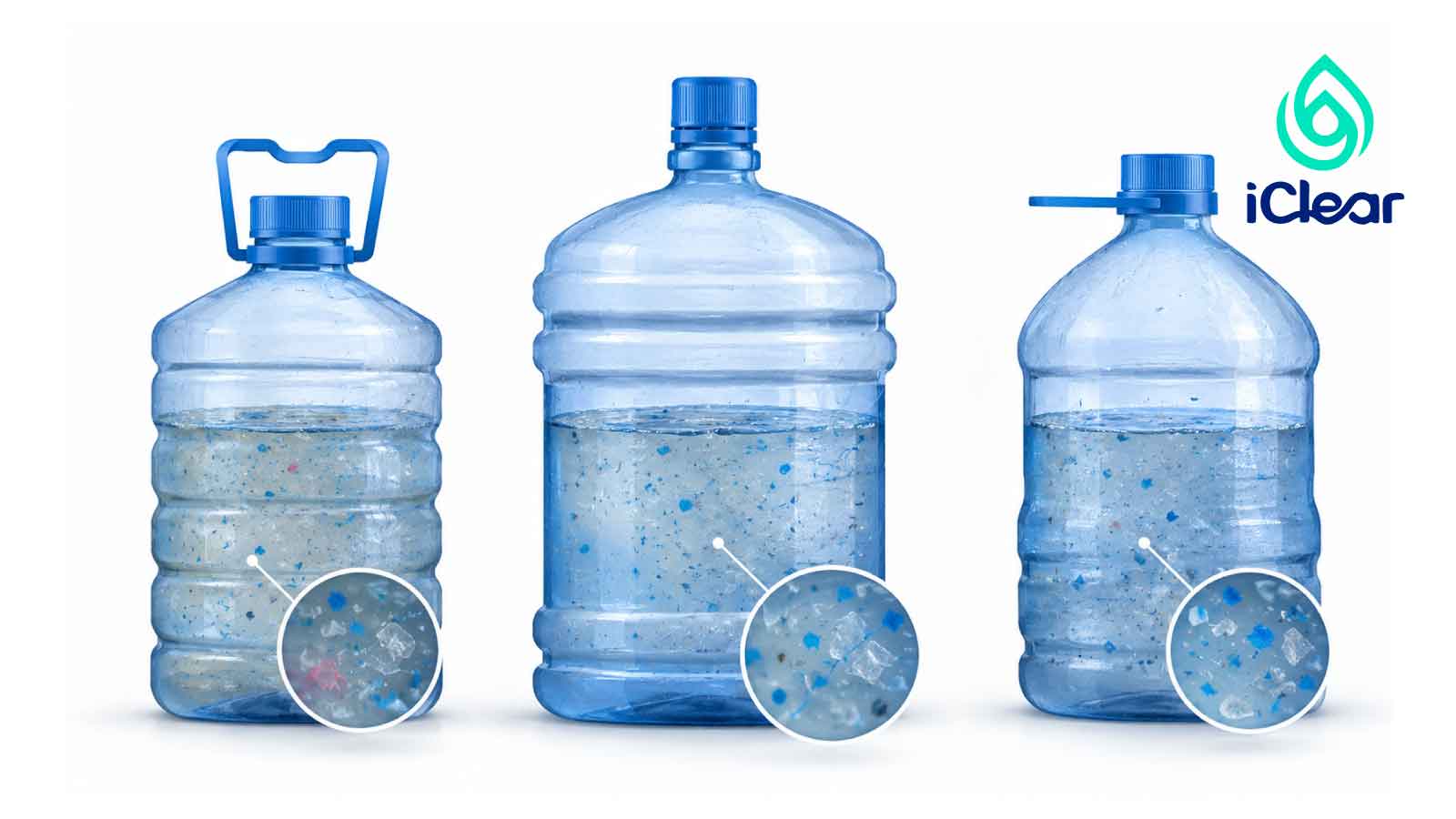
Microplastics have been detected in tap water, borehole water and even bottled water worldwide, including in East Africa. Reverse osmosis filtration removes over 99% of microplastic particles. What Are Microplastics? Microplastics are plastic fragments smaller than 5 mm, many invisible to the naked eye. They originate from degraded plastic packaging, synthetic textiles, vehicle tyres and industrial discharge. Once in the water cycle they are extremely difficult to remove through conventional treatment alone. A 2018 study commissioned by Orb Media tested tap water from 14 countries and found plastic fibres in 83% of samples. A peer-reviewed analysis published in the journal Environmental Science & Technology estimated that adults consume between 39,000 and 52,000 microplastic particles every year through food and water alone. Source: Environmental Science & Technology, Microplastic Ingestion Estimates, American Chemical Society, 2019. How Microplastics Enter Kenya's Water Supply Nairobi and other urban centres draw water from reservoirs and rivers that receive runoff from densely populated areas. Plastic litter decomposes in sunlight and breaks into fragments that enter the water table. Agricultural plastic mulch and greenhouse covers add to the load during the rainy season. Borehole water is not immune, plastics enter aquifer recharge zones through soil percolation. Kenya generates an estimated 0.94 kg of solid waste per person per day, a significant fraction of which is plastic. Much of that waste is disposed of informally near waterways. Source: Kenya National Solid Waste Management Strategy, NEMA 2021. Health Concerns Linked to Microplastics Current research is still establishing long-term health thresholds for microplastics. However, scientists have identified several areas of concern: Microplastics can carry adsorbed chemical pollutants, pesticides, heavy metals and plasticisers, into the body. Lab studies show that nanoplastics (the smallest fraction) can cross cell membranes and accumulate in tissue. Some plastics contain endocrine-disrupting compounds such as bisphenol A (BPA) and phthalates. The World Health Organisation issued a preliminary risk assessment in 2019 calling for further research and improved water treatment standards. How Reverse Osmosis Removes Microplastics Reverse osmosis (RO) forces water through a semi-permeable membrane with pores of approximately 0.0001 microns, far smaller than any microplastic particle. Independent tests show RO systems remove more than 99% of microplastics, including nanoplastic fractions that pass through conventional filters. Filtration Method Approx. Pore Size Microplastic Removal Sediment filter 5–50 microns Partial (large particles only) Activated carbon ~1 micron Moderate Ultrafiltration 0.01–0.1 micron High Reverse osmosis ~0.0001 micron 99%+ All iClear purifiers use multi-stage RO membranes specifically sized to intercept microplastic particles at every stage of the filtration process. Practical Steps for Nairobi Households Install a point-of-use RO system on your kitchen tap for drinking and cooking water. Reduce use of single-use plastic bottles, they are themselves a source of microplastic leaching. Schedule annual membrane inspections to ensure your RO system maintains its rejection rate. Filter water before it enters your kettle, which can concentrate particles during boiling. Q: Can boiling water remove microplastics? A: No. Boiling kills pathogens but does not affect plastic particles. You need physical filtration, ideally reverse osmosis, to remove microplastics. Q: Is bottled water safer than tap water for microplastics? A: Studies show bottled water can contain equal or higher concentrations of microplastics than tap water, partly from the bottle itself. A certified RO filter is a more reliable solution. Protect your family from microplastics iClear's RO purifiers remove 99%+ of microplastic particles at every pour. Find out more. Keywords: microplastics Kenya, drinking water safety Nairobi, reverse osmosis microplastics, water purifier Kenya
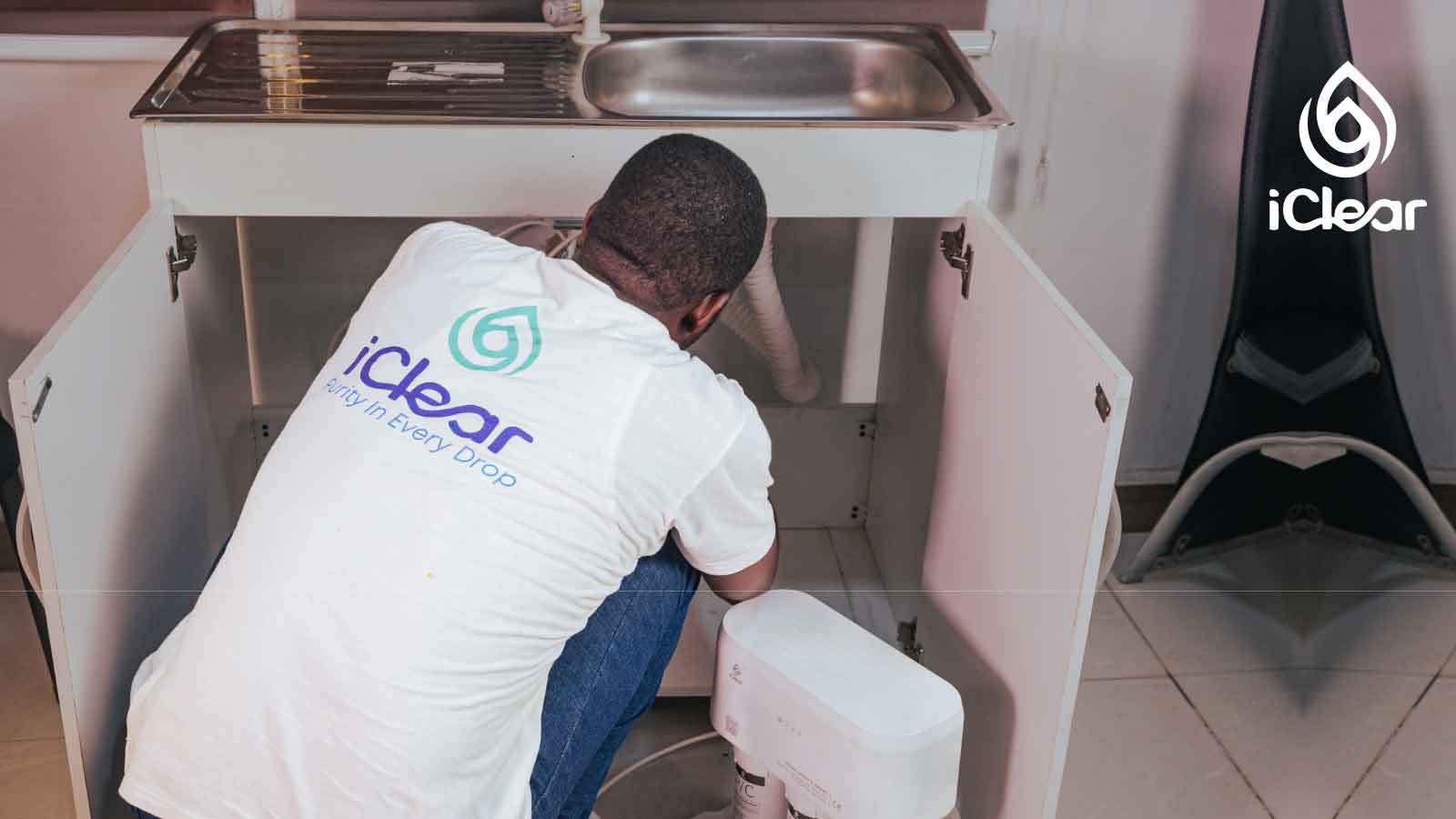
Every iClear technician is a full-time employee, not a third-party contractor, working on iClear systems and accountable directly to the company for every installation and service visit. That keeps quality consistent across branches and gives customers one company to hold responsible. A water purifier is only as good as its installation. The best Reverse Osmosis system, fitted badly, will leak, underperform or fail early. That is why one of the first decisions we made at iClear was not to outsource the work. The person who installs and services your system should work for the company that sold it to you. Why most of the market does it differently In much of the water purifier market, selling and installing are separate jobs. The seller takes the order, then hands installation to an independent plumber or a contractor on call. Quality varies from job to job, and when something goes wrong it can take a chain of phone calls to find out who is responsible Our approach: full-time, in-house, accountable Every technician who installs or services an iClear system is a full-time iClear employee. We do not use third parties or individual outside contractors. As our team has grown to more than twenty people in Kenya, this has stayed the rule, and it is the rule we will carry into every new branch. Consistency. Technicians work on iClear systems every day, so they know them, instead of treating each job as something new. Accountability. If there is a problem with an installation or service, it comes back to us, and we put it right. Control. Because the technicians are ours, we can set and check the standard across Nairobi, Nakuru and Mombasa. Every installation, including this Standard system, is completed by a full-time iClear technician, not a subcontractor. What happens on installation day For a domestic under-sink system such as the iClear Standard, installation typically takes 30 to 45 minutes. The technician follows a clear sequence. Assess the kitchen plumbing and choose where the system will sit. Mount the system and connect it to the water line. Fit a dedicated faucet at the sink for the purified water. Flush the filters and check the whole setup for leaks. Show you how it works and explain the filter schedule for your water. If you rent or cannot change your plumbing, the iClear Desktop needs no plumbing at all, so setup is simpler and quicker. What happens after installation Installation is the start of the relationship, not the end. Households buy outright and are supported through filter changes and any issues that come up. Offices are on an annual service subscription, where our technicians handle scheduled filter changes, waterway disinfection, leak checks and general maintenance, with servicing roughly every four months, so the system keeps performing without the office having to chase us. The iClear Premier, installed and serviced by the same in-house team that looks after every product in the range. When something goes wrong If a customer has an issue with an installation or a service visit, they contact our customer care team. We send a technician to check, report back on what happened, and if the problem came from us, we make it right. Because the technicians are our own employees, that loop is short and clear. There is no handing the problem to a subcontractor who has moved on. Why this matters as we grow As iClear expands into East Africa and beyond, the in-house model is what keeps installation quality consistent across every new branch, instead of thinning out as the company grows. Growth is where service companies usually slip, because demand rises faster than the people to meet it. Keeping technicians as full-time employees is slower and costs more than hiring contractors by the job, and it is the choice we think customers are really paying us to make. FAQ Q: Are iClear technicians employees or contractors? A: All iClear installation and service technicians are full-time employees. We do not outsource to third parties or individual contractors. Q: How long does an iClear installation take? A: A domestic under-sink installation such as the iClear Standard typically takes 30 to 45 minutes. The iClear Desktop needs no plumbing and is quicker to set up. Q: Who services my system after installation? A: The same in-house team. Households are supported through filter changes and issues as they arise, and offices on the annual subscription receive scheduled servicing roughly every four months. Q: What if I am unhappy with an installation? A: Contact our customer care team. We send a technician to check, report on what happened, and fix any issue that came from our side. Experience installation done right. Free delivery and professional installation in Nairobi, Nakuru, and Mombasa. Find out more. Keywords: iClear technicians, water purifier installation kenya, iClear service quality, in-house water purifier technicians, iClear Kenya
Product Guides
Water Quality Insights
Health & Wellness
Maintenance & Troubleshooting
Water Quality Insights
Media & Press
Water Quality Insights
Product Guides