




Search

Subtotal: KSh 0
Checkout View Cart

iClear Water Purifier & Water Filter Guides for Kenya

The 3 Water Myths Costing Kenyans Money: Boiling, Clear Water, and "Bottled Is Safer"

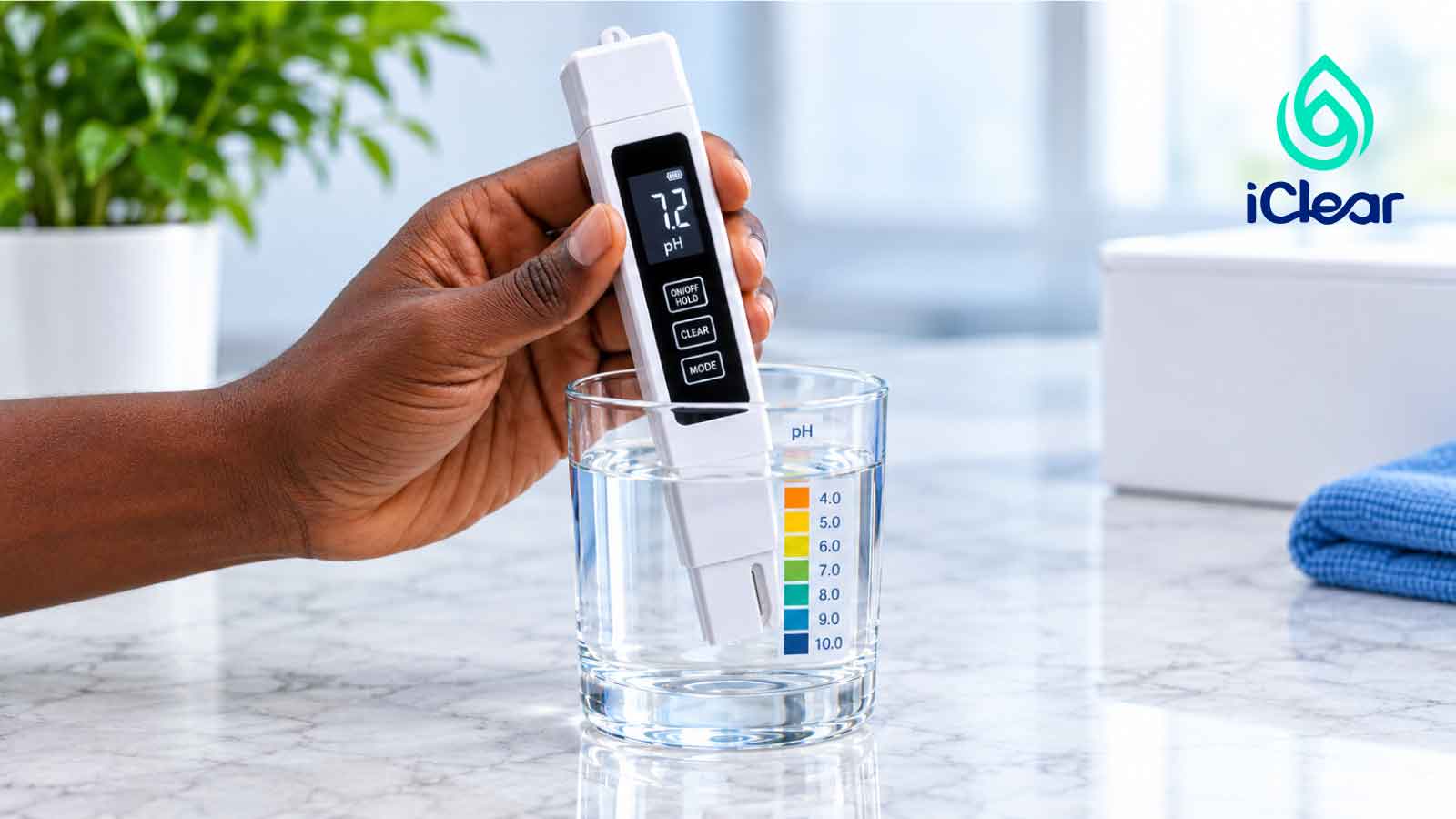
Three water myths cost Kenyan families money: that boiling makes water fully safe, that clear water is clean water, and that bottled is automatically safer. Each is contradicted by evidence, and each keeps people paying for water that is not as safe as assumed. Myth 1: Boiling makes water fully safe Boiling kills bacteria and viruses, and that is genuinely valuable. But it removes nothing dissolved: not fluoride, not salts, not heavy metals. Worse, because water evaporates while these contaminants stay behind, prolonged boiling can concentrate them. In parts of Kenya where borehole water carries fluoride well above the WHO safe limit, a family boiling diligently may be removing the germs while leaving the fluoride that causes long-term damage. The cost: time, fuel, and electricity spent daily on a method that only solves part of the problem, plus the ongoing exposure to everything boiling cannot touch. Myth 2: If it is clear, it is clean This is the most dangerous myth of the three, because it feels the most obviously true. But clarity only tells you that visible particles are gone. The contaminants that matter most, fluoride, dissolved salts, bacteria, heavy metals, are invisible. iClear's field team has measured perfectly clear-looking borehole water at 450 to 600 ppm TDS with high fluoride. It looked clean in the glass. It was not. The cost: false confidence. Families drink water they believe is safe because it looks safe, and never test or treat it. Myth 3: Bottled water is automatically safer Bottled and dispenser water carries an image of guaranteed cleanliness that the evidence does not fully support. In one widely cited study, Mason and colleagues (2018) found microplastic particles in 93% of 259 bottles tested across 11 brands. Research has also documented bacterial growth in dispensers that were not regularly sanitised. Quality depends on purification, storage, transport, and handling, none of which the buyer can see. Bottled is not automatically anything; it is only as good as its unseen handling. The wider context: billions still lack safely managed drinking water. Source: WHO, cited in image and appendix. The cost: a recurring monthly bill, KSh 180,000 to 480,000 over five years for many households, for water that may be no safer, and sometimes less controlled, than a purifier at home would provide. What the three myths have in common Look closely and the three myths share a single root: they all judge water by appearance, habit, or packaging rather than by evidence. Boiling feels thorough. Clear looks clean. Bottled seems trustworthy. In every case, the belief substitutes a feeling for a fact, and the gap between the two is where both the money and the risk hide. Looks clean is not proven clean This is the line worth keeping. Looks clean is not the same as proven clean. Clear water, boiled water, bottled water: none of these is proven safe by how it looks or where it came from. The only ways to be certain are to measure your water or to purify it at the point where you drink it, so that what you cannot see is removed regardless. That certainty is the whole point of a home purifier. Every iClear system uses Reverse Osmosis to remove the contaminants these three myths leave in place, from the fluoride boiling concentrates to the dissolved load clear water hides. The iClear Standard covers the household; the iClear Desktop adds instant hot and cold. Proven clean, not just clear. FAQ Q: Does boiling water make it completely safe? A: No. Boiling kills bacteria and viruses but leaves fluoride, dissolved salts, and heavy metals behind, and can concentrate them as water evaporates. It solves part of the problem, not all of it. Q: Is clear water always clean? A: No. Clarity only means visible particles are gone. Fluoride, dissolved salts, bacteria, and heavy metals are invisible, so water can look perfectly clear and still be unsafe. Only testing or purification reveals the truth. Q: Is bottled water safer than tap or purified water? A: Not automatically. Research has found microplastics in most bottled water samples and bacteria in unmaintained dispensers. Bottled water quality depends on unseen handling, while a home purifier gives you control over what is removed. Choose proven clean, not just clear. Free delivery and professional installation in Nairobi and Nakuru. Visit the iClear shop. Keywords: water myths kenya, common water myths, is boiling water safe, is clear water clean, bottled water myth, iClear Kenya

Is Boiling Water Enough? What It Removes and What It Doesn't

Boiling water is not enough on its own. It kills bacteria and viruses but does not remove fluoride, dissolved salts, or heavy metals, and by evaporating water it can concentrate them. Boiling addresses only one of several risks. What boiling genuinely does well Bringing water to a rolling boil kills bacteria and most viruses. For water whose main problem is microbial contamination, boiling is a real and effective first line of defence, which is exactly why it became the standard advice for generations. Nothing in this article takes that away. If the only issue were germs, boiling would largely handle it. What boiling cannot remove The trouble is that germs are not the only issue in Kenyan water. Boiling does nothing about the dissolved contaminants that matter most in many parts of the country: Fluoride, which iClear's field team has measured in Rift Valley boreholes above 8.75 mg/L, more than five times the WHO safe limit of 1.5 mg/L. Boiling does not touch it. iClear's highest field fluoride reading against the WHO guideline value. Sources cited in image and appendix. Dissolved salts and high TDS, common in borehole water in towns such as Kitengela and Kajiado at 450 to 600 ppm. Boiling does not reduce them. Heavy metals, such as lead and arsenic, which boiling cannot remove. How boiling can concentrate contaminants Here is the part most people never hear: boiling can make the dissolved problems worse. As water boils, it evaporates, but the fluoride, salts, and metals do not leave with the steam. They stay behind in less water, which means their concentration rises. For water that is already high in these contaminants, prolonged boiling is a step backwards, not forwards. Why this matters for Kenyan borehole water This is not a theoretical concern in Kenya. A large share of households rely on borehole water, and iClear's own measurements across towns show that borehole water routinely carries exactly the dissolved contaminants, fluoride and high TDS, that boiling cannot address and can worsen. A family diligently boiling their borehole water may be removing the bacteria while leaving, and even concentrating, the fluoride that causes long-term harm. What removes everything boiling misses Reverse Osmosis removes what boiling cannot. By forcing water through a fine membrane, RO takes out fluoride, dissolved salts, heavy metals, and sediment, and removes bacteria and viruses as well, so it covers both the microbial risks boiling handles and the dissolved risks it does not. The iClear Standard is built for exactly the borehole conditions our field data describes, and the iClear Premier serves larger households. For the fuller picture of what different methods remove, see our guide on the myths that cost Kenyans money. Boiling solved the water problem of an earlier era, when germs were the whole concern. Today's Kenyan water carries dissolved contaminants that boiling cannot remove and can concentrate. It is a good first step and a poor finish line. FAQ Q: Is boiling water enough to make it safe in Kenya? A: Not on its own. Boiling kills bacteria and viruses but does not remove fluoride, dissolved salts, or heavy metals, which are common in Kenyan borehole water. Boiling addresses only one of several risks. Q: Does boiling remove fluoride from water? A: No. Boiling does not remove fluoride. Because water evaporates while the fluoride remains, prolonged boiling can actually raise the fluoride concentration in the water that is left. Only methods like Reverse Osmosis remove fluoride. Q: Is boiled borehole water safe to drink? A: Boiling makes borehole water safer from bacteria but leaves its fluoride, dissolved salts, and heavy metals untouched, and can concentrate them. For borehole water, Reverse Osmosis is needed to address these dissolved contaminants. Remove what boiling leaves behind. Free delivery and professional installation in Nairobi and Nakuru. Visit the iClear shop. Keywords: is boiling water enough, boiling water safe kenya, does boiling remove fluoride, boiling vs purifier, iClear Kenya, borehole water kenya

Bottled Water vs an RO System: The Real 5-Year Cost in Kenya

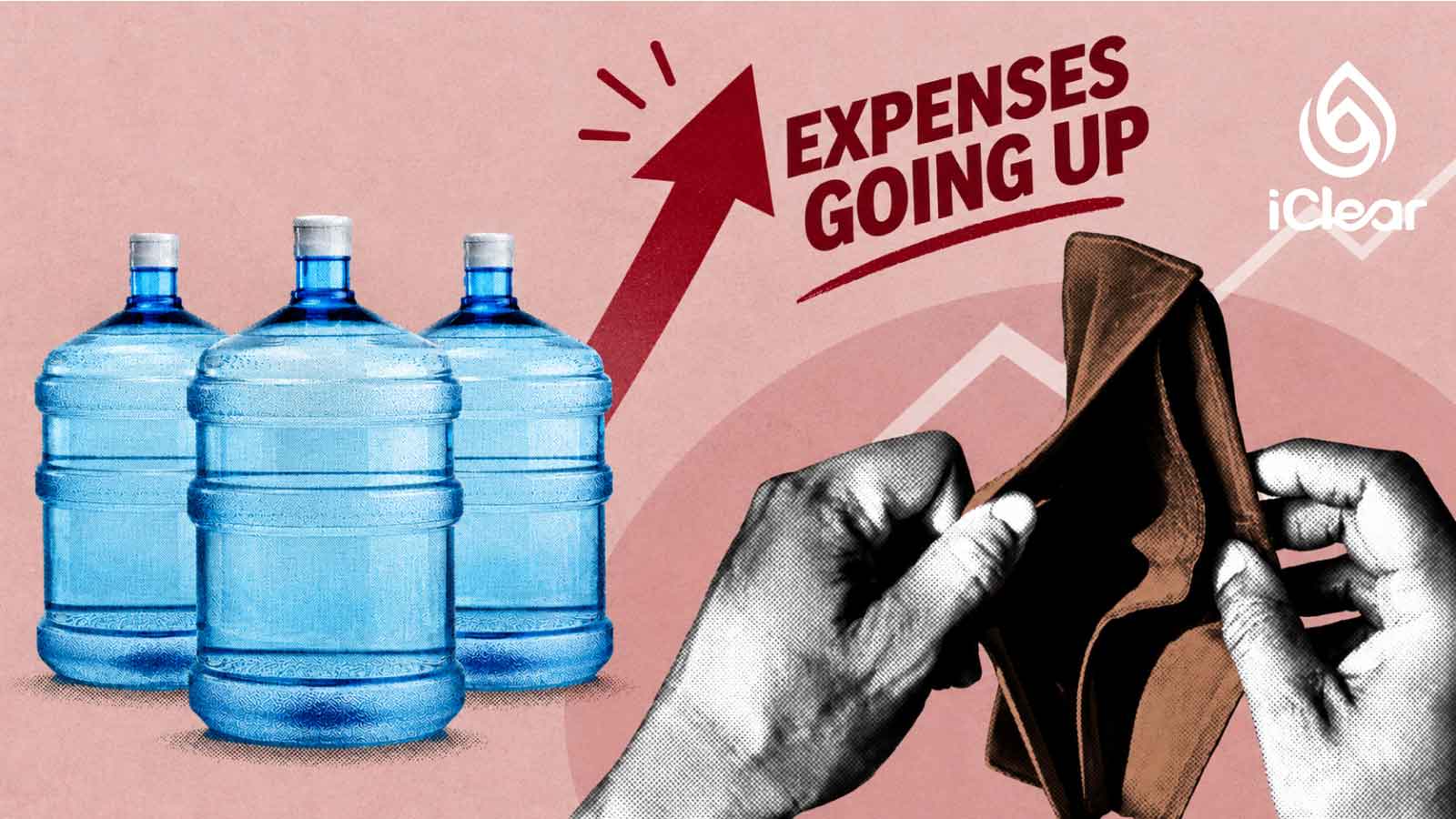
Over five years, a household buying bottled or dispenser water typically spends far more than the one-time cost of an RO system. At KSh 3,000 to 8,000 a month, bottled water reaches KSh 180,000 to 480,000 in five years against a one-time purifier cost. The monthly spend most families overlook A typical Kenyan household spending on bottled or dispenser water lands somewhere between KSh 3,000 and KSh 8,000 a month, depending on family size and how much is used for drinking and cooking. Because it is spent a little at a time, it rarely registers as a major cost. But it does not stop. It repeats every month, for as long as the household exists. The 5-year comparison Extended over five years, the monthly habit becomes a substantial figure: At KSh 3,000 a month: KSh 36,000 a year, and KSh 180,000 over five years. At KSh 8,000 a month: KSh 96,000 a year, and KSh 480,000 over five years. Against that, a one-time iClear Standard purifier is KSh 25,000, with free delivery and professional installation included in Nairobi and Nakuru. Even adding the modest, scheduled cost of replacement filters over the years, the total remains a small fraction of the bottled-water figure. The gap is not close. When an RO system pays for itself On these numbers, the purifier pays for itself in roughly four to eight months of what the household was already spending on bottled water. Everything after that point is money the family keeps. Over five years, the saving runs into the hundreds of thousands of shillings for most households, which is why iClear's own estimate is that customers save up to 80% compared with buying water. The honest way to judge a purifier's price is not against zero. It is against what you are already spending on water every month and will keep spending. Measured that way, the purifier is the cheaper option, not the expensive one. What the comparison leaves out To keep this fair, an RO system does carry ongoing costs: replacement filters on a schedule, and occasional servicing. These are real, and they are built into the small print of the comparison above rather than hidden. They are also modest and predictable, and iClear schedules and supports them. Even with these included, the five-year total for a purifier stays far below the bottled-water total. The comparison survives an honest accounting. The convenience factor, honestly weighed Bottled and dispenser water has one genuine advantage: someone else handles it. A purifier asks you to have it installed and its filters changed. But it also removes the recurring chores of buying, carrying, storing, and running out of water. Most households find the balance tips clearly toward the purifier once the money is on the table, because the convenience of never running out, and never buying again, outweighs the one-time setup. FAQ Q: Is a water purifier cheaper than buying bottled water in Kenya? A: Over time, yes, and by a wide margin. A household spending KSh 3,000 to 8,000 a month on bottled water spends KSh 180,000 to 480,000 over five years, against a one-time KSh 25,000 for an iClear Standard plus modest filter costs. Q: How long does it take for an RO system to pay for itself? A: Roughly four to eight months of what a household already spends on bottled water. After that point, the money previously spent on water is saved, adding up to hundreds of thousands of shillings over five years for most families. Q: What are the ongoing costs of an RO purifier? A: Scheduled replacement filters and occasional servicing, both modest and predictable, and both scheduled and supported by iClear. Even including these, the five-year cost stays far below buying bottled or dispenser water. Stop paying monthly for water you can own once. Free delivery and professional installation in Nairobi and Nakuru. Visit the iClear shop. Keywords: bottled water vs ro cost kenya, water purifier cost kenya, bottled water cost, ro system savings, iClear Kenya, water purifier price kenya

Does a Water Dispenser Purify Water? A Straight Answer

No. A water dispenser does not purify water. It only stores and dispenses water that was filtered or bottled elsewhere, hot or cold, without removing any contaminants. Whatever is in the water going in is still there coming out. The direct answer: no, and why A water dispenser does not purify water. Its job is to store water and serve it at a chosen temperature, hot, cold, or ambient. It has no mechanism to remove contaminants. If the water you load into it contains bacteria, dissolved salts, or fluoride, the water it dispenses contains exactly the same things, just warmer or colder. Purification and dispensing are two entirely different functions, and a standard dispenser performs only the second. What a dispenser is actually designed to do A dispenser is a convenience appliance, and a useful one. It gives you instant hot water for tea or coffee and cold water on a hot day, without a kettle or a fridge. That is genuinely valuable. The mistake is assuming that because it is a dedicated water appliance, it must also be cleaning the water. It is not. It is handling temperature, nothing more. What it does not remove Because it has no filtration, a dispenser leaves untouched everything that matters for water safety: Bacteria and viruses Dissolved salts and high TDS Fluoride, which in parts of Kenya sits well above safe levels Heavy metals Sediment and rust from pipes or tanks The reservoir hygiene issue most people miss There is a further problem specific to dispensers: the machine can make water worse, not better. The internal reservoir, taps, and drip tray accumulate bacteria and biofilm if not regularly sanitised. Studies have found bacterial contamination in dispensers that looked clean from outside. So an unmaintained dispenser is not neutral; it can add contamination to whatever it dispenses. What actually purifies water iClear Desktop is the answer for anyone who wants the convenience of a dispenser and real purification in one machine: it purifies through RO, then dispenses hot or cold. For the whole household, the iClear Standard delivers the same purification from a dedicated tap. See also our full comparison of dispensers versus purifiers. A dispenser handles temperature. A purifier handles safety. If you want both, choose a machine that does both rather than assuming a dispenser is quietly doing the purifier's job. FAQ Q: Does a water dispenser purify water? A: No. A dispenser stores and serves water hot or cold but does not remove any contaminants. Whatever is in the water going in is still there coming out. Only a purifier removes contaminants. Q: Is dispenser water clean? A: Only if the water put into it was already clean and the dispenser is regularly sanitised. The dispenser itself does not clean water, and an unmaintained reservoir can add bacteria to it. Q: What is the difference between a dispenser and a purifier? A: A dispenser changes water temperature; a purifier removes contaminants. A combined unit like the iClear Desktop does both, purifying through Reverse Osmosis and then dispensing hot or cold. Purify and dispense, both in one machine. Free delivery and professional installation in Nairobi and Nakuru. Visit the iClear shop. Keywords: does water dispenser purify water, does dispenser purify water, is dispenser water clean, water dispenser purifier, iClear Kenya

Water Dispenser vs Water Purifier: The Honest Difference

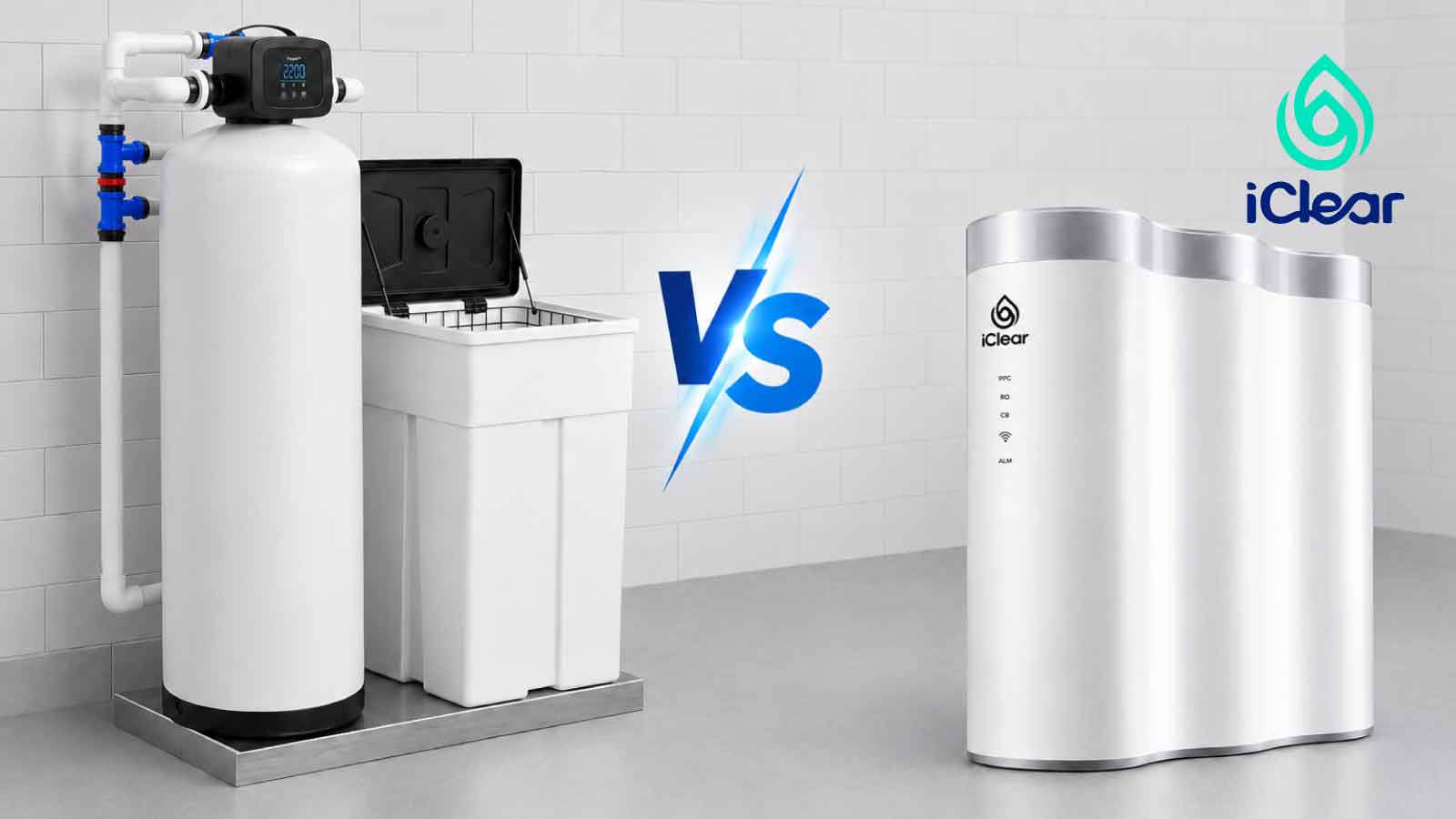
A water dispenser and a water purifier are not the same. A dispenser stores and serves water at different temperatures but does not clean it. A purifier removes contaminants. Only a purifier changes what is in the water. The one-line difference A dispenser changes the temperature of your water. A purifier changes what is in it. That is the whole distinction, and everything else follows from it. If your only need is hot or cold water on demand, a dispenser does that. If you need the water to actually be cleaner, a dispenser does nothing for you, and only a purifier will. What a dispenser actually does A water dispenser stores water, from a bottle or a tank, and serves it hot, cold, or at room temperature. It is a convenience appliance. It does not filter, and it does not purify. Whatever quality of water you put into it is the quality of water it gives back, at your chosen temperature. Its own reservoir and taps, if not regularly cleaned, can even add contamination over time rather than remove any. What a purifier actually does A water purifier removes contaminants from the water. A Reverse Osmosis purifier, the type built for Kenyan conditions, removes bacteria, dissolved salts, fluoride, heavy metals, and sediment by forcing water through a membrane fine enough to block them. The water that comes out is genuinely different from the water that went in. Every iClear system is a purifier in this sense, and the iClear Desktop combines both jobs, purifying the water and then dispensing it hot or cold, so you are not choosing between clean and convenient. Where the confusion comes from The confusion is understandable. Both machines sit on a counter, both give you water, and marketing often blurs the line. Some dispensers are described in ways that imply they clean the water when they only cool or heat it. The test is simple: ask whether the machine removes anything from the water. If it only changes the temperature, it is a dispenser, whatever it is called. If a machine only makes your water hotter or colder, it is a dispenser. If it removes what is in the water, it is a purifier. A single unit can do both, but temperature control alone is never purification. Which one your home needs If your water is already genuinely clean and you only want it hot or cold, a dispenser suffices. For most Kenyan homes, where borehole and stored water carry dissolved salts, fluoride, or contamination that the eye cannot see, a purifier is what actually addresses the problem. And if you want both clean water and the convenience of instant hot and cold, a combined purifier-dispenser gives you the whole thing in one machine, which is why it is the option many households settle on. FAQ Q: What is the difference between a water dispenser and a water purifier? A: A dispenser stores and serves water at hot or cold temperatures but does not clean it. A purifier removes contaminants such as bacteria, dissolved salts, and fluoride. Only a purifier changes what is in the water. Q: Do I need a dispenser or a purifier? A: If your water is already clean and you only want it hot or cold, a dispenser is enough. If you want the water to be genuinely cleaner, you need a purifier. A combined purifier-dispenser does both in one unit. Q: Can one machine both purify and dispense water? A: Yes. A combined purifier-dispenser, such as the iClear Desktop, purifies water through Reverse Osmosis and then dispenses it hot, cold, or at room temperature, so you get clean water and convenience together. Get clean water and convenience in one machine. Free delivery and professional installation in Nairobi and Nakuru. Visit the iClear shop. Keywords: water dispenser vs water purifier, difference dispenser purifier, water purifier or dispenser, iClear Kenya, water purifier kenya

What Happens to Water During Storage and Delivery

Water quality can change between bottling and delivery. Time in storage, exposure to heat during transport, and how long stock sits in inventory before sale all affect what reaches you, which is why the label date is not the whole story. The journey from source to your glass Water rarely goes straight from treatment to your table. It is bottled or filled, then stored, then loaded, then transported, then stored again at a shop or depot, then finally delivered or bought. Each of those steps takes time, and time under the wrong conditions is exactly what water quality is sensitive to. The sealed bottle protects against some things and not others. How storage time affects quality Water that sits in inventory for weeks or months is not necessarily unsafe, but it is not automatically pristine either. Prolonged storage, particularly in warm conditions, can allow any bacteria present to multiply and can allow interactions between the water and its container over time. The longer water waits before you drink it, the more the conditions of that wait matter. Heat and transport: the invisible variables Transport in a hot country is one of the least controlled parts of the chain. Water sitting in a vehicle, a metal-roofed store, or an outdoor stack can reach high temperatures for hours at a time. Heat accelerates bacterial growth in any water that is not perfectly sterile, and repeated heating and cooling stresses plastic containers. None of this is visible when the bottle finally reaches you looking exactly as it did when sealed. A sealed bottle tells you the water was clean when it was sealed. It does not tell you how many weeks it sat, how hot the store room was, or how long it travelled in a warm vehicle. The seal is a snapshot, not a guarantee of the whole journey. Inventory lag: how long water waits before delivery There is also the simple matter of how long stock waits before it is sold. Water bought in bulk, stored in a warehouse, and distributed over time can reach the customer well after it was bottled. The dispenser bottle delivered to a home or office may have spent a long time in inventory first. This is ordinary supply-chain reality, not misconduct, but it means the freshness a consumer assumes and the freshness they receive are not always the same. Why point-of-use purification removes the uncertainty Every one of these variables, storage time, transport heat, inventory lag, exists because the water is treated somewhere else and then travels to you. Purifying at the point of use removes the entire journey from the equation. The water is treated in your own home, moments before you drink it, so what happened in a warehouse or a delivery vehicle no longer matters. The iClear Standard and the portable iClear Desktop both purify at the point of use, which is the one place in the chain you actually control. Every risk in the storage-and-delivery chain shares one cause: distance between where the water is treated and where you drink it. Point-of-use purification closes that distance to zero. FAQ Q: Does bottled water go bad in storage? A: Water itself does not spoil like food, but prolonged storage, especially in heat, can allow bacterial growth and interaction between the water and its container. Storage conditions and time both affect the quality of what you eventually drink. Q: Does heat affect bottled water during transport? A: Yes. Heat accelerates bacterial growth in water that is not perfectly sterile and stresses plastic containers. Water transported or stored in hot conditions can differ from how it was when first sealed, without any visible sign. Q: How can I avoid storage and delivery risks with my water? A: Purify at the point of use. Treating water in your own home, right before drinking, removes the storage, transport, and inventory variables entirely, because the water no longer has to travel to you after treatment. Remove the journey from your water. Free delivery and professional installation in Nairobi and Nakuru. Visit the iClear shop. Keywords: water storage contamination, water transport quality, bottled water storage, water delivery kenya, point of use purification, iClear Kenya  

Syokimau and Athi River Borehole Water: Understanding the Salty Taste and What Removes It

Borehole water in Syokimau and Athi River often tastes salty because the groundwater in this area carries elevated dissolved minerals and salts. Boiling and basic filters do not remove them; only Reverse Osmosis reduces the dissolved salts that cause the taste. Why the water tastes salty here The saltiness is not imagination and it is not dirt. It is dissolved minerals and salts that the groundwater picks up from the geology of the Athi River basin. These dissolved solids raise what is measured as TDS, Total Dissolved Solids, and above a certain level the water takes on a noticeably salty or mineral taste. Because the salts are dissolved, the water can look perfectly clear while still tasting strongly of them. Why boiling and basic filters do not help This is the frustrating part for many families here. The usual fixes do nothing for salty water: Boiling: removes bacteria but leaves every dissolved salt behind, and by evaporating water can make the taste stronger. Carbon and sediment filters: improve clarity and catch particles but do not touch dissolved salts. Softeners: address certain hardness minerals but are not a complete answer to the dissolved-salt load. The salts are dissolved at the molecular level, so removing them needs a technology that works at that level. What actually removes it Reverse Osmosis is the method that reduces dissolved salts. By forcing water through a fine membrane, RO blocks the salts, minerals, and other dissolved solids that cause the salty taste, typically cutting TDS by 90% or more. The water that comes out tastes clean rather than salty. The iClear Standard is built for exactly this kind of high-TDS borehole water and installs under the sink, while the portable iClear Desktop suits renters in the many Syokimau apartments where plumbing changes are not possible. The salty taste of Syokimau and Athi River borehole water is a dissolved-salt problem, and dissolved salts have one practical household solution: Reverse Osmosis. It is the difference between water you tolerate and water you actually want to drink. FAQ Q: Why does borehole water in Syokimau taste salty? A: Because the groundwater in the Athi River basin carries elevated dissolved minerals and salts, which raise the water's TDS and give it a salty or mineral taste. The salts are dissolved, so the water can look clear while tasting salty. Q: How do I remove the salty taste from borehole water? A: Reverse Osmosis removes the dissolved salts that cause the taste, typically cutting TDS by 90% or more. Boiling, carbon filters, and softeners do not fully remove dissolved salts. An RO system like the iClear Standard is the practical household solution. Q: Is salty borehole water safe to drink? A: High dissolved-salt levels affect taste and, over long-term consumption, can strain the body. It is better treated than tolerated. Reverse Osmosis reduces the dissolved salts and makes the water pleasant and safe to drink. Turn salty borehole water into water you want to drink. Free delivery and professional installation in Nairobi and Nakuru. Visit the iClear shop. Keywords: syokimau borehole water, athi river water salty, salty borehole water kenya, remove salt from water, syokimau water purifier, iClear Kenya

Renting in Nairobi? Here Is Why the iClear Desktop Purifier Makes More Sense Than You Think

If you rent, a plumbed water purifier is usually not an option, since it needs a permanent connection you cannot make in someone else's property. The iClear Desktop solves this: it is a full Reverse Osmosis purifier that needs no plumbing and no installation, and it moves with you when you move. The renter's problem with most purifiers A standard under-sink purifier is a permanent fixture. It connects to your water line, mounts inside a cabinet, and installs a dedicated tap through your counter. For a homeowner that is ideal. For a tenant it is a non-starter: you cannot modify a landlord's plumbing, you would leave the investment behind when you move, and many leases forbid exactly this kind of alteration. So renters often fall back on bottled water or a dispenser, and pay for it monthly forever. Why the Desktop is built for exactly this The iClear Desktop (KSh 40,000) is a countertop Reverse Osmosis purifier. It needs no plumbing at all. You fill its built-in tank, plug it into a normal socket, and it purifies on demand, removing bacteria, dissolved salts, fluoride, and sediment the same way a plumbed RO system does. There is no installation, no hole in the counter, no connection to the landlord's pipes, and nothing left behind when your lease ends. It simply comes with you. What you actually get Full multi-stage RO purification, the same technology as the under-sink systems, in a portable body. Instant hot water in about 3 seconds at six temperature settings, so it replaces a kettle too. Cold and ambient water on demand. No plumbing, no installation appointment, no permanent fixture. Portability: it moves house as easily as a microwave. For a renter, the Desktop turns clean water from a homeowner privilege into a plug-in appliance. You get the purification of an under-sink system without the one thing you cannot give it: a permanent connection. The cost comparison that matters for renters A renter buying bottled or dispenser water spends KSh 3,000 to 8,000 a month, and keeps spending it in every flat they ever live in. The Desktop is a one-time KSh 40,000 that follows them from flat to flat. Over even two or three tenancies, the machine you carry with you costs a fraction of the water you would otherwise keep buying, and you never arrive in a new place wondering about its water again. Who the Desktop suits best Renters and apartment dwellers who cannot modify plumbing. People who move often and want their clean-water setup to move with them. Smaller households of one to three regular users, matched to the tank size. Anyone who wants instant hot purified water without a separate kettle. FAQ Q: Can I use a water purifier if I rent? A: Yes. A portable Reverse Osmosis purifier like the iClear Desktop needs no plumbing or installation, so it works in a rented flat and moves with you when you leave. Plumbed under-sink systems are the ones that are impractical for tenants. Q: Does the iClear Desktop need installation? A: No. You fill its built-in tank, plug it into a normal socket, and it works. There is no plumbing connection and nothing permanent fitted to the property, which is what makes it suited to renters. Q: Is a portable purifier as good as an under-sink one? A: For purification, yes. The Desktop uses the same multi-stage Reverse Osmosis process, removing bacteria, dissolved salts, and fluoride. The difference is capacity and format, not purifying power, and it adds instant hot water that under-sink units do not have. Take clean water with you, flat to flat. Free delivery in Nairobi and Nakuru, no installation needed. Visit the iClear shop. Keywords: water purifier for renters, portable water purifier nairobi, apartment water purifier, no plumbing water purifier, iClear Desktop, iClear Kenya

Water Purification for Small Offices in Nairobi: What Actually Works

For a small Nairobi office of 10 to 50 people, a bottleless Reverse Osmosis system usually beats a bottled-water cooler on both cost and hygiene. It removes the monthly bottle spend, the delivery logistics, and the reservoir contamination risk of a conventional cooler. What the bottled cooler really costs a small office A small office gets through a surprising volume of water: staff drinking through the day, tea and coffee, visitors. The monthly bottle bill for a 10 to 50 person office adds up quickly, and the invoice is only part of the cost. There is the admin of ordering and receiving, the storage space for full and empty bottles, the productivity hit when the last bottle runs out before the delivery arrives, and the staff time spent changing heavy bottles. The hidden hygiene problem A bottled cooler is far less clean inside than it looks. The reservoir, the taps, and the drip tray accumulate bacteria and biofilm if not regularly sanitised, and most office coolers are never properly cleaned. Studies have found bacterial contamination in dispensers that looked spotless from outside. In a warm office, an uncleaned cooler becomes a steady low-level contamination source in every cup poured from it. What works better: a bottleless RO system The iClear Office system (KSh 90,000 per year) connects directly to the office water supply and delivers unlimited hot and cold purified water on demand. There are no bottles, no deliveries, no storage, and no standing reservoir to grow bacteria. It is a bottleless Reverse Osmosis and UV system sized for 20 to 30 staff, and it includes free professional installation and servicing every four months. For smaller teams, the iClear Premier or Desktop can cover the need at lower volume. The comparison for a small office Cost: the annual system cost typically lands below what an office spends on bottled water, and it stops rising with usage the way bottle orders do. Hygiene: no reservoir or bottle neck to contaminate; purified at the point of use. Logistics: no ordering, receiving, storing, or changing bottles. Reliability: no running out mid-week waiting for a delivery. The honest comparison for a small office is not the system against zero. It is the system against what the office already spends on bottled water, plus the admin and the hygiene risk. Measured that way, the bottleless system usually wins on all three. Why this suits SMEs specifically Large industrial water needs are a different market, served by different equipment. But the 10 to 50 person office, the cafe, the co-working space, the clinic, is exactly the size a system like this fits: big enough that bottled water is a real recurring cost, small enough that a single point-of-use system covers the whole team. This is the segment where switching makes the clearest sense. FAQ Q: What is the best water solution for a small office in Kenya? A: For a 10 to 50 person office, a bottleless Reverse Osmosis system usually beats a bottled cooler on cost and hygiene. The iClear Office system connects to the supply and gives unlimited hot and cold purified water with servicing included, removing bottle costs and delivery logistics. Q: Is a bottleless water system cheaper than bottled water for an office? A: Usually yes over a year. The annual system cost typically sits below an office's bottled-water spend, and unlike bottle orders it does not keep rising with usage. It also removes the admin and storage costs bottles carry. Q: Are office water coolers hygienic? A: Bottled coolers are less clean inside than they look. Reservoirs, taps, and drip trays grow bacteria if not regularly sanitised, and most are not. A bottleless point-of-use system has no standing reservoir to contaminate. Cut your office water bill and the bottle logistics. Free installation and servicing in Nairobi and Nakuru. Visit the iClear shop. Keywords: office water purifier nairobi, small office water solution, bottleless water cooler office, commercial water purifier kenya, iClear Office, iClear Kenya    

Is Bottled Water Really Cheaper? A 5-Year Cost Breakdown for Nairobi Families

Bottled water feels cheaper because it is paid a little at a time, but over five years a Nairobi family typically spends KSh 180,000 to 480,000 on it. A one-time RO purifier at KSh 25,000, even with filter costs, is a small fraction of that, saving most families up to 80%. The monthly spend that hides in plain sight A typical Nairobi family spends between KSh 3,000 and KSh 8,000 a month on bottled or dispenser water, depending on household size and how much is used for drinking and cooking. Because it is spent in small amounts across the month, it rarely registers as a significant cost. But it repeats, every month, for as long as the household exists. The five-year picture Stretched across five years, the habit becomes a serious figure: At KSh 3,000 a month: KSh 36,000 a year, KSh 180,000 over five years. At KSh 5,000 a month: KSh 60,000 a year, KSh 300,000 over five years. At KSh 8,000 a month: KSh 96,000 a year, KSh 480,000 over five years. What the purifier costs over the same five years The iClear Standard is a one-time KSh 25,000, with free delivery and professional installation in Nairobi and Nakuru. Across five years you add the scheduled cost of replacement filters, which is modest and predictable. Even with filters included, the total stays a small fraction of the bottled-water figure. This is why iClear estimates customers save up to 80% compared with buying water. When it pays for itself On these numbers, the purifier pays for itself in roughly four to eight months of what the family was already spending on bottled water. Everything after that point is money the family keeps. A Nairobi family currently spending KSh 5,000 a month recovers the purifier's cost in about five months, and saves well over KSh 250,000 across the five years that follow. The honest way to judge the purifier's price is not against zero. It is against the KSh 180,000 to 480,000 the family will otherwise spend on water over the same five years. Seen that way, the purifier is the cheaper choice, not the expensive one. The convenience side, weighed honestly Bottled water does have one genuine advantage: someone else handles it. A purifier asks you to have it installed and its filters changed on schedule. But it also ends the buying, carrying, storing, and running-out that come with bottles. For most Nairobi families, once the five-year numbers are on the table, the balance tips clearly toward owning the purifier. FAQ Q: Is bottled water cheaper than a water purifier in Kenya? A: No, not over time. A Nairobi family spends KSh 180,000 to 480,000 on bottled water over five years. A one-time iClear Standard at KSh 25,000, even with filter costs, is a small fraction of that, saving most families up to 80%. Q: How much does a Nairobi family spend on bottled water? A: Typically KSh 3,000 to 8,000 a month, which is KSh 36,000 to 96,000 a year. Because it is paid in small amounts, it rarely registers as a major cost, but over five years it reaches KSh 180,000 to 480,000. Q: How quickly does a water purifier pay for itself? A: In roughly four to eight months of what a family already spends on bottled water. After that, the money previously spent on water is saved, adding up to hundreds of thousands of shillings over five years. Stop paying monthly for water you can own once. Free delivery and professional installation in Nairobi and Nakuru. Visit the iClear shop. Keywords: is bottled water cheaper, bottled water cost nairobi, water purifier cost savings, 5 year water cost kenya, iClear Kenya, water purifier price kenya