

Let us be honest, clean drinking water in the office is not just a nice-to-have anymore. It is a non-negotiable. Whether you are a startup trying to build a great team culture or a growing business managing dozens of employees, getting a water purifier for your office might just be one of the smartest investments you make this year. Here’s why. 1. Employees Can't Thrive Without Clean Water This sounds basic, but you’d be surprised how many offices still rely on tap water or keep buying bottled water every week. In 2025, with rising concerns around water quality and employee wellness, installing a reliable office water purifier is one of the simplest ways to show your team you care. Clean water is not just about hydration. It affects energy levels, concentration, and even mood. A good water filter system in the office keeps your team healthy and helps them perform at their best. 2. It’s a Small Detail That Makes a Big Impression First impressions matter especially for clients or potential hires walking into your office. A sleek, high-quality water purifier in the reception or breakroom says a lot about your values. It’s not just a functional appliance. It’s a signal that you take health, hygiene, and comfort seriously. And in a world where employee experience plays a big role in talent retention, that matters more than ever. 3. It's More Affordable Than You Think Some offices shy away from installing a professional water purifier system because they assume it’s expensive. But here’s the truth: relying on bottled water costs more in the long run. The deliveries, the storage, the management it adds up. With iClear's office purifier, you get: A one-time setup, Low maintenance costs, and unlimited access to clean water every day. It pays for itself over time, literally. 4. Designed for the Future of Work Hybrid teams. Shared workspaces. People working late, coming in early, and everything in between. Your office needs a smart drinking water solution that can keep up. All of our best-selling water purifiers for offices now come with: Hot & cold options (for tea lovers.) Touchless operation for hygiene, Multi-stage filtration to handle different water sources, Sleek, compact designs that don’t take up unnecessary space. Whether you have 5 employees or 50, there’s a custom water purifier solution that can work for your setup. Ready to upgrade your office drinking water? Too often, companies wait until there's a health complaint or water scare before they act. But in 2025, being proactive about health, hygiene, and sustainability is part of what builds a responsible, forward-thinking business. So, if you’ve been thinking about it this is your sign. We help businesses like yours choose the best water purifier for their office needs without the jargon, stress, or hidden costs. Explore our range of office water purifiers (Product link), Or talk to us for a personalized recommendation (Phone number). Every great team deserves safe, clean, and great-tasting water every single day.
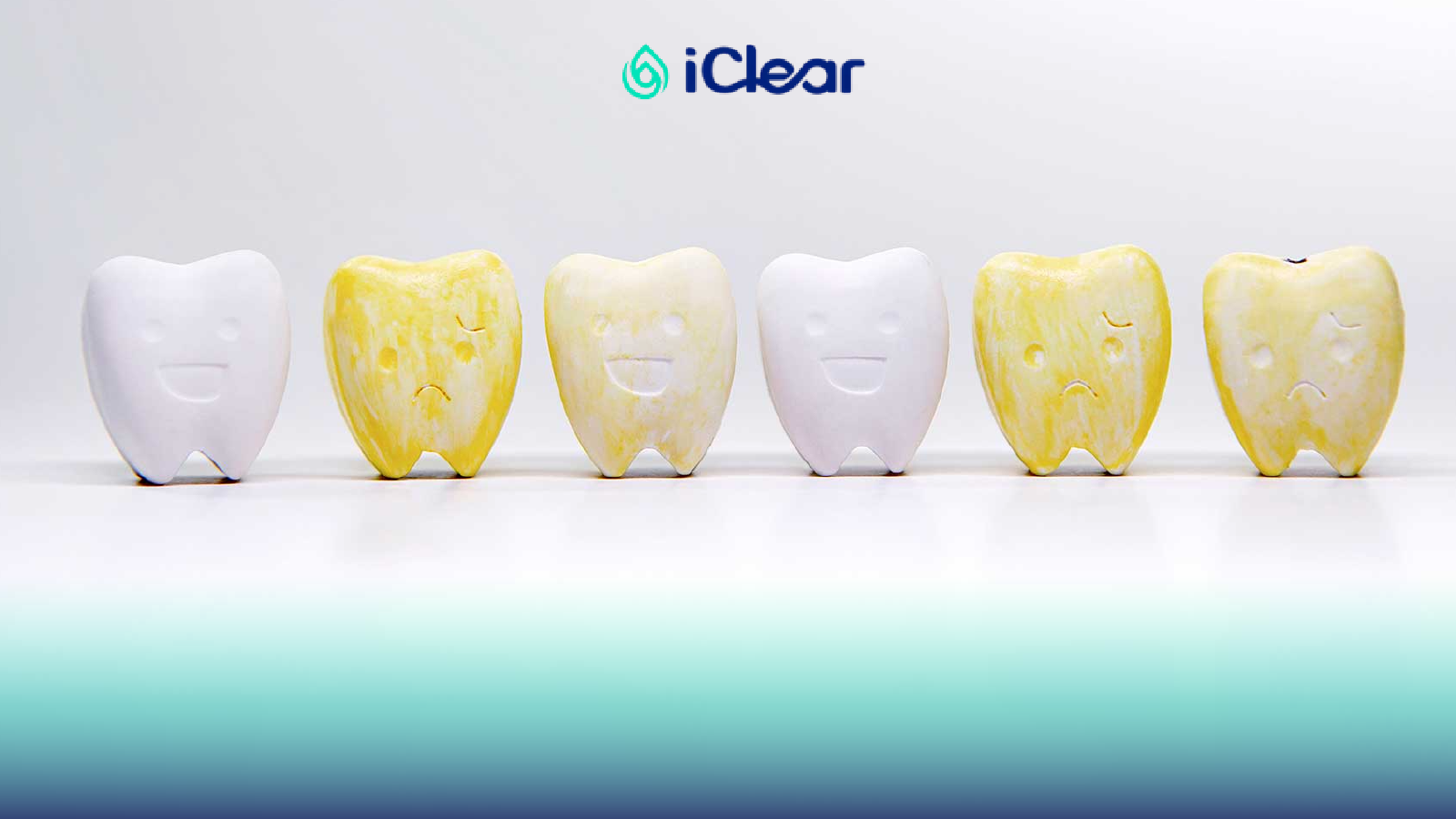
Understanding Fluorosis and the Role of Water Purifiers “My daughter had yellowing teeth, and our doctor recommended we get a water purification machine. Choosing one from Iclear has been life-changing. It saved me the hassle of carrying bottled water from the supermarket, reduced my electricity bills, and most importantly, protected my children’s teeth from further yellowing. Now, we enjoy clean, safe drinking water every day right from our tap," customer review. At first, this might seem surprising, but it’s a common reality for many parents especially in areas where fluoride levels in drinking water are high. Yellow or brown teeth in children might not be from poor hygiene alone; they may be a sign of dental fluorosis, a condition caused by too much fluoride intake at a young age. What Is Dental Fluorosis? Dental fluorosis occurs when children consume excessive fluoride during tooth development typically before the age of 8. While fluoride in small doses strengthens enamel and prevents cavities, overexposure can permanently alter the structure and color of the teeth. Early signs appear as white streaks or spots, while advanced cases lead to yellow, brown, or pitted enamel. Why Is Fluoride in Our Water? In many parts of Kenya and East Africa, high fluoride levels occur naturally in groundwater. Borehole and well water often contain fluoride levels above the recommended World Health Organization (WHO) limit of 1.5 mg/L, putting households that depend on untreated water at risk. Unfortunately, boiling water does not remove fluoride, it only concentrates it. Likewise, most basic filters are not equipped to remove fluoride ions. This makes it critical to invest in advanced water purification technologies specifically designed to handle this problem. How Water Purifiers Can Help Prevent Fluorosis The only effective way to reduce fluoride in drinking water is through advanced purification systems. The most reliable technologies for fluoride removal include: · Reverse Osmosis (RO) – Filters out fluoride, heavy metals, bacteria, and more. · Multi-Stage Systems – Combined RO, UV, and sediment filter. These systems not only remove fluoride but also improve the taste, clarity, and safety of your water making them ideal for households, schools, clinics, and businesses. To learn more about our range of water purifiers, contact us today. Let us help you safeguard your family because clean water means a healthier future.
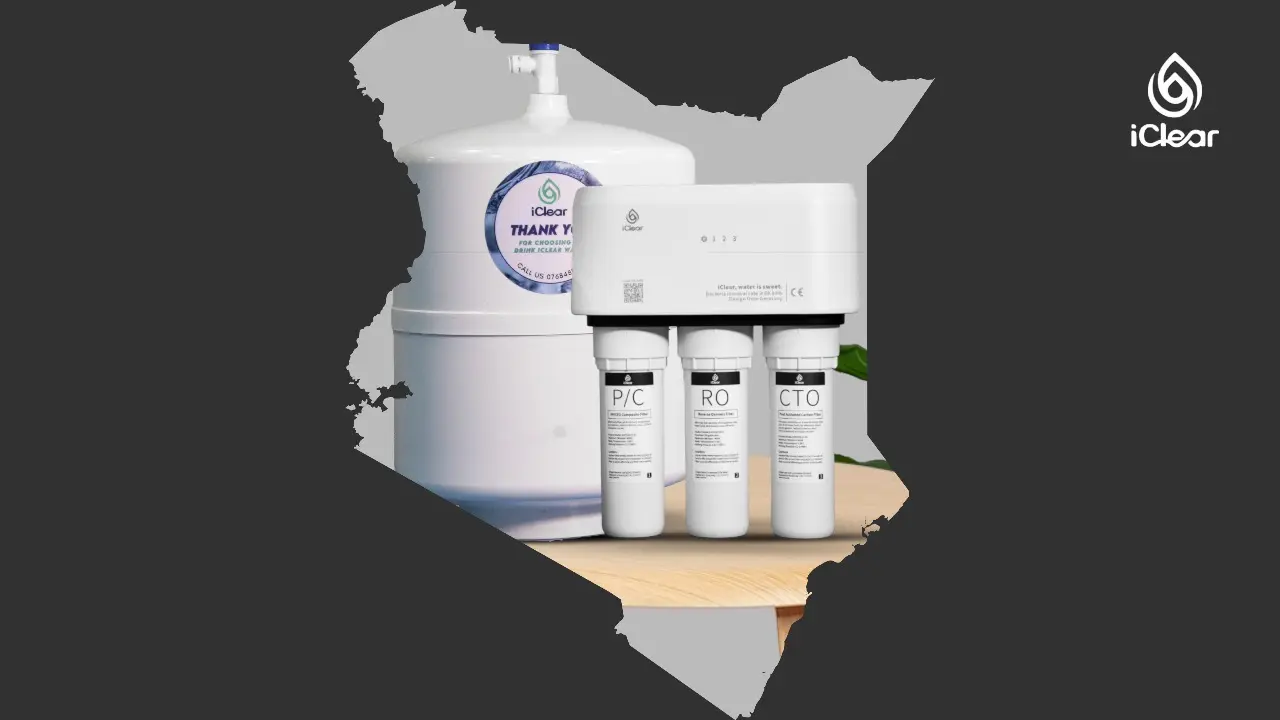
Looking for clean, safe water? Discover why Reverse Osmosis systems are top water purifiers in Kenya and how they protect your family from harmful contaminants. If you’ve ever poured a glass of borehole water and questioned what you’re really drinking, you’re not alone. From salty taste to murky color, the water situation in many parts of Kenya isn’t always ideal. That’s where Reverse Osmosis (RO) filters come in. These systems are considered the gold standard among water purifiers in Kenya, especially for homes using borehole, salty, or hard water. Let’s explore why. 1. What Is Reverse Osmosis? Reverse Osmosis, or RO, is a water purification method that uses pressure to force water through a semi-permeable membrane. This membrane filters out even the tiniest contaminants leaving you with clear, clean, and safe water. 2. How Reverse Osmosis Filters Work Think of an Reverse Osmosis system as a multi-stage gatekeeper. Your water passes through several filters: · Sediment filter to remove dirt and sand · Carbon filter to eliminate odor and chlorine · Reverse Osmosis membrane to remove dissolved salts, heavy metals, and harmful chemicals The end result? Water that tastes and feels pure. 3. Signs You Need an Reverse Osmosis Filter You may need an Reverse Osmosis system if: · Your water tastes salty or metallic · You see white scaling on kettles or taps · You rely on borehole or salty water · Your water test shows high TDS (Total Dissolved Solids) 4. Where to Install Your Reverse Osmosis Filter Most Reverse Osmosis filters are installed: · Under the kitchen sink · On the main supply line (for whole-house units) Some models are compact enough to sit on your countertop. Just ensure it’s near a water source and electrical outlet. 5. Cost of Reverse Osmosis Water Purifiers in Kenya Here’s a rough estimate: · Small home Reverse Osmosis systems – Ksh 25,000–50,000 · Large family or office units – Ksh 50,000–100,000+ 6. Choosing the Right Size for Your Home · Single person or couple – 7–10 L/day capacity · Family of 4–6 – 12–20 L/day capacity · Offices or institutions – 25+ L/day Your supplier can help assess your daily usage and recommend the right unit.
Safe Water, Safe Smiles As parents, we do everything we can to ensure our children grow up healthy and happy. We monitor their diet, screen time, and education, but one area many of us overlook is the quality of the water they drink every day. You may not realize it, but excess fluoride in drinking water can pose a serious threat to your child’s long-term health. While fluoride in small amounts can strengthen tooth enamel and help prevent cavities, overexposure especially during early childhood can lead to a condition known as dental fluorosis. In more serious cases, it can even impact bones and joints. Let’s dive deeper into what fluorosis is, how it affects your child, and why investing in a Reverse Osmosis (RO) water purifier could be one of the most important decisions you make for your family’s well-being. What Is Fluorosis? Fluorosis is a condition caused by consuming high levels of fluoride over an extended period, particularly during the years when a child’s permanent teeth are developing typically under the age of 8. It often occurs when fluoride levels in drinking water exceed safe limits recommended by health authorities. Symptoms of Dental Fluorosis: 1. White streaks or spots on teeth 2. Brown stains or discoloration 3. Pitted or mottled enamel 4. Increased risk of cavities due to weakened enamel Why Children Are Most at Risk Young children are particularly vulnerable because their bones and teeth are still developing. Once the damage is done, it’s permanent fluorosis cannot be reversed. This is why early intervention and preventive measures are crucial. Unfortunately, many families remain unaware of how much fluoride is in their local water supply. In some areas, especially where groundwater(Borehole) is the primary source, fluoride levels can exceed safe limits due to natural mineral deposits. How RO Purifiers Can Help The good news? Preventing fluorosis is simple and effective with the right technology. Reverse Osmosis (RO) water purifiers are among the most reliable solutions for removing excess fluoride from your drinking water. RO systems work by pushing water through a semi-permeable membrane, filtering out fluoride. Benefits of RO Water for Your Family: 1. Clean, fluoride-safe drinking water 2. Better taste and smell 3. Peace of mind for parents 4. Supports healthy growth and development in children 5. Reduced risk of long-term health issues Whether it’s for drinking, cooking, or mixing baby formula, safe water is essential for every aspect of your child’s well-being. Prevention Is Better Than Cure Fluorosis may not seem like an urgent issue at first glance but because the damage is irreversible and often permanent, prevention should be a top priority. Here’s what you can do: 1. Test Your Water: Get your home’s water supply tested for fluoride and other harmful elements. Many local health departments and private labs offer this service. 2. Install an RO Purifier: If fluoride levels are above the recommended threshold (typically in drinking water), an RO system is the safest way to protect your family. 3. Stay Informed: Educate yourself about water safety standards and regularly maintain your water purification system to ensure optimal performance. At the end of the day, the water your family drinks should do only good. With an RO system in place, you can ensure it does exactly that: providing pure, safe, and fluoride-controlled hydration for your growing kids. Because every smile deserves to be safe.
Health & Wellness
Water Quality Insights
Health & Wellness