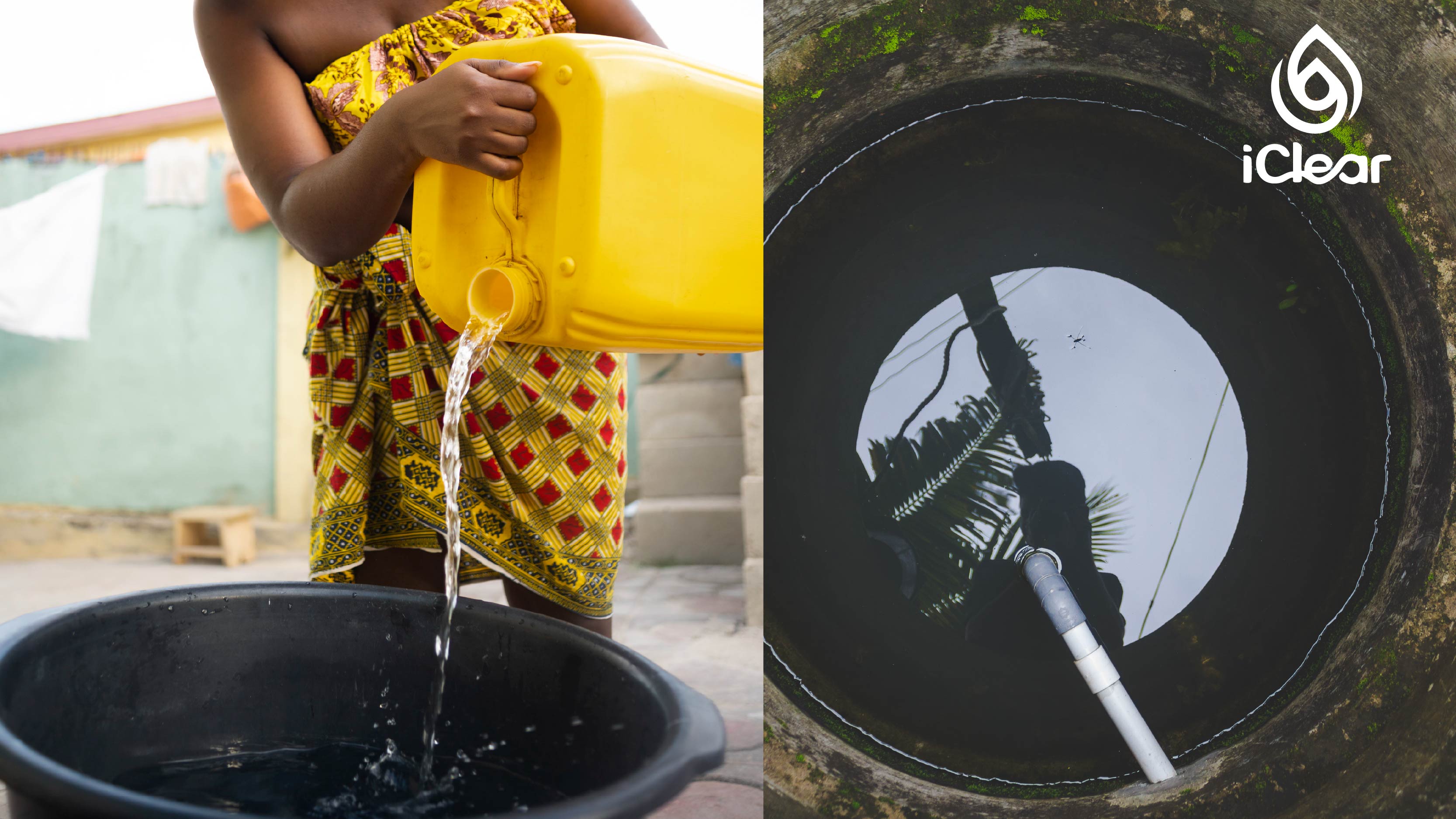
This is not a marketing claim. Our technical team has measured fluoride in Kenyan borehole water above 8.75 mg/L in parts of the Rift Valley. The World Health Organization's safe limit is 1.5 mg/L. That means the water some Kenyan families are drinking every day contains more than five times the level the global health authority considers safe. What our field data actually shows Across iClear's installations and water testing this year, fluoride has emerged as one of the most consistent and most dangerous contaminants in Kenyan borehole water. The towns where our team has measured consistently high fluoride include: Naivasha Nakuru Kajiado Gilgil Kitengela These are not remote areas. They are towns where tens of thousands of Kenyan families live, where children grow up, and where the assumption is that borehole water is somehow safer than other sources because it comes from underground. Highest fluoride reading our team has recorded: above 8.75 mg/L in the Rift Valley. WHO safe limit: 1.5 mg/L. That is more than five times the level the World Health Organization considers acceptable for human consumption. Why fluoride at these levels is dangerous Fluoride is not visible. It has no smell. It has no taste at the levels found in borehole water. A glass of water with 8.75 mg/L of fluoride looks identical to a glass with safe levels. But the long-term health effects are serious and largely irreversible. Dental fluorosis The most visible effect is dental fluorosis, the brown staining, pitting, and weakening of tooth enamel. It is most damaging in children, whose developing teeth absorb fluoride at higher rates. Across the Rift Valley, dental fluorosis is so common that many people accept it as a normal feature of life rather than a sign of dangerous water. Skeletal fluorosis With long-term exposure, fluoride accumulates in the bones, causing skeletal fluorosis. This is a painful, progressive condition involving joint stiffness, bone deformity, and eventually severe pain and reduced mobility. It is one of the most common, but least talked about, public health problems in fluoride-affected parts of Kenya. Why basic filters cannot fix this Fluoride is dissolved in water at the molecular level. It cannot be filtered out by carbon filters, ceramic filters, gravity filters, or boiling. In fact, boiling concentrates fluoride by reducing water volume, making the problem worse. The only widely available technology that reliably removes fluoride from drinking water is Reverse Osmosis. The RO membrane has pores small enough to block fluoride ions while letting water molecules through. Without RO, fluoride at the levels seen in Rift Valley boreholes is essentially impossible to remove. If your borehole is in or near Naivasha, Nakuru, Kajiado, Gilgil, or Kitengela, you should assume fluoride is in your water until tested. The geology of these areas makes it likely. What an RO system actually removes The iClear Standard and iClear Premier are Reverse Osmosis systems designed specifically for Kenyan borehole conditions. They remove fluoride alongside dissolved salts, heavy metals, bacteria, and other contaminants in a single multi-stage process. Every iClear system is KEBS-certified and includes free professional installation in Nairobi, its environs, and Nakuru. For borehole owners in the Rift Valley specifically, an RO system is not optional. It is the only practical way to make your borehole water genuinely safe for long-term consumption. Fluoride above 8.75 mg/L in Kenyan boreholes is a public health issue, not a marketing concern. If your family relies on borehole water in the Rift Valley, the question is not whether you have a fluoride problem. The question is how high your reading is, and what you are doing about it. Protect your family from fluoride contamination. Free delivery and professional installation in Nairobi and Nakuru. Visit the iClear shop. Tags: fluoride borehole water Kenya, Rift Valley water Kenya, Naivasha water, Nakuru water, Kajiado water, fluorosis Kenya, water purifier Kenya, Reverse Osmosis Kenya

iClear Kenya was honoured to be among the partners and stakeholders at a joint commemoration of the International Day of Forests and World Water Day, held at the Naivasha Medium Security Prison grounds in Nakuru County. The event focused on the themes “Forests and Economies” and “Water and Gender”, highlighting how healthy ecosystems and equitable water access support sustainable livelihoods. County Leadership and Water Initiatives Deputy Governor H.E. David Kones highlighted Nakuru County’s commitment to improving access to safe and reliable water. Key initiatives include: Drilling and commissioning new boreholes Rehabilitation of existing water supply systems Expansion of reticulation networks to underserved areas These efforts align perfectly with iClear Kenya’s mission that clean water is a right. Our focus on borehole water safety complements these county initiatives. In fact, properties that rely on groundwater can face hidden risks, such as high nitrates in borehole water, which can be dangerous for infants. Learn more about managing this risk in our detailed guide, Nitrates in Borehole Water: A Silent Danger for Babies. Tree Planting and Environmental Stewardship Deputy Governor Kones also led a tree planting exercise, targeting over 5,000 indigenous and fruit-bearing trees, contributing to Kenya’s national tree-planting initiative. Trees help conserve water by: Enhancing groundwater recharge Reducing soil erosion Protecting water quality in rivers and aquifers This is especially important during rainy seasons, when runoff can carry sediments, chemicals, and bacteria into water sources. Understanding these seasonal risks is critical for households and communities, which is why we also cover water safety during floods in our guide, Floods in Kenya: How Runoff Can Contaminate Your Drinking Water. Water and Gender: Promoting Inclusive Access The theme “Water and Gender” highlights the critical role women and girls play in household water management and community well-being. iClear Kenya supports programs that empower women and youth to participate in water governance, ensuring equitable access to clean water for all members of the community. Why This Engagement Matters for iClear Kenya Participation in this event reinforces iClear Kenya’s dedication to: Promoting safe borehole water and water purification solutions Supporting environmental sustainability through tree planting and conservation Engaging communities, county governments, and partners in water safety solutions Embedding awareness of nitrate risks in borehole water and seasonal contamination from floods ensures that communities are better informed about water safety challenges and practical solutions. Looking Ahead iClear Kenya thanks Nakuru County officials, community leaders, and all stakeholders who participated in the event. By working together, we continue to build a cleaner, greener, and water-secure Kenya, empowering communities through safe water access, environmental conservation, and inclusive water management practices.

Recent floods in Kenya have caused damage to roads, homes, and farms, but one of the less visible impacts is on drinking water safety. Heavy rainfall creates large amounts of surface runoff. As water flows across the ground, it collects contaminants from soil, farms, waste systems, and roads before entering rivers, groundwater, and borehole water sources. This means water that normally appears clean can become contaminated after flooding. The World Health Organization notes that flooding events often increase the risk of microbial and chemical contamination in drinking water systems (WHO Drinking Water Guidelines: https://www.who.int/publications/i/item/9789241549950). For households and businesses, understanding this risk is important for maintaining safe drinking water. Why Borehole Water Can Be Affected Borehole water is widely used in Kenya, particularly in residential estates and apartments. While boreholes are generally reliable, flooding can introduce contamination if the system is not well protected. Floodwater may enter poorly sealed borehole heads or seep through surrounding soil, carrying bacteria, nitrates, and other contaminants into groundwater. Areas with nearby septic systems or agricultural activity may face a higher risk because floodwater can spread waste into the soil. Because of this, testing borehole water after major rainfall or flooding is recommended. Contaminants such as nitrates can sometimes appear in groundwater after runoff events. High nitrate levels can be dangerous for infants, which is explained in our guide on Nitrates in Borehole Water: A Silent Danger for Babies. Signs That Water Quality May Have Changed Flood related contamination is not always visible, but some signs may indicate that water quality has changed. Look for: • Cloudy or muddy water • Sediment settling in containers • Unusual smell or taste • Increased stomach illness in a household or workplace However, some contaminants such as heavy metals cannot be detected without testing. Older plumbing systems may also introduce metals into water supplies, which is discussed in Is Lead in Kenyan Water a Hidden Risk? What Families Should Know. Common Contaminants After Flooding Flood runoff can introduce several contaminants into drinking water. Contaminant Typical Source Potential Risk Bacteria Sewage or animal waste Stomach illness Nitrates Agricultural runoff Infant health risks Heavy metals Soil erosion or industrial areas Long term health effects Sediment Soil runoff Reduced filtration effectiveness What Water Treatment Methods Work Best Different purification methods remove different types of contamination. Treatment Method Removes Bacteria Removes Dissolved Chemicals Boiling Yes No UV treatment Yes No Basic filters Partial No Reverse osmosis Yes Yes Boiling can kill bacteria but does not remove dissolved contaminants such as nitrates or heavy metals. Practical Steps After Flooding Households can reduce risks by taking a few simple precautions: • Allow tap water to run briefly after supply interruptions • Inspect storage tanks to ensure they are sealed and clean • Avoid drinking visibly muddy water • Test borehole water if flooding occurred nearby For rental properties, landlords should also ensure that water systems are properly maintained. This is discussed further in Are Landlords Responsible for Safe Drinking Water in Kenya. Final Thoughts Floods in Kenya can affect drinking water by allowing runoff to carry contaminants into rivers, groundwater, and borehole systems. While many contamination risks are temporary, awareness and testing are important after heavy rainfall. Monitoring water quality and taking preventive steps can help households and businesses maintain safe drinking water during flood events. Frequently Asked Questions Can floods contaminate borehole water? Yes. Floodwater can carry bacteria, nitrates, and other pollutants into the soil surrounding a borehole. If the groundwater becomes contaminated, these pollutants may enter the borehole water supply. Is borehole water safe after heavy rains? Borehole water is usually safe when systems are properly maintained, but testing after major floods or heavy rainfall is recommended to confirm water quality. Does boiling water remove contamination after floods? Boiling water can kill bacteria but does not remove dissolved chemicals such as nitrates or heavy metals. Should landlords test water after floods? Yes. Testing helps ensure that tenants are not exposed to contaminated water and supports responsible property management.

If you live in Nairobi or Nakuru, chances are you’ve experienced water interruptions, changing water taste, or concerns about water safety. As these cities continue to grow rapidly, the pressure on water supply systems has increased, making water purification more important than ever for homes and workplaces alike. While municipal water is treated before distribution, what reaches your tap can be very different from what left the treatment plant. This is why more households and offices in urban Kenya are turning to reliable water purification solutions. Urban Growth and Its Impact on Water Quality Nairobi and Nakuru are among Kenya’s fastest-growing urban centers. This growth affects water quality in several ways: Aging pipelines that allow contamination Increased reliance on boreholes and supplementary sources Infrastructure strain during dry seasons Inconsistent water pressure causing backflow risks As cities expand, water systems struggle to keep up, increasing the likelihood of compromised drinking water. Why Treated Water Isn’t Always Fully Safe Many people assume municipal water is always safe to drink. While it is treated, several factors can affect its quality before it reaches your home: Old or corroded pipes Intermittent supply allowing contaminants to enter lines Storage tanks that are not regularly cleaned Mixing of sources such as borehole and surface water This means water may look clear but still contains dissolved salts, bacteria, or heavy metals. The Borehole Factor in Urban Estates In both Nairobi and Nakuru, boreholes are widely used in apartments, gated communities, and commercial buildings. Borehole water often contains: High Total Dissolved Solids (TDS) Salinity Hardness-causing minerals Naturally occurring metals Without proper purification, long-term consumption of such water can affect health and damage household appliances. Seasonal Changes Make Water Quality Unpredictable Water quality is not constant throughout the year. During rainy seasons: Runoff can introduce contaminants into water sources Sediment levels increase Storage systems are stressed During dry seasons: Borehole dependence increases Salinity and mineral concentration rise A purification system provides consistency despite these fluctuations. Why Water Purification Is No Longer Optional For urban households and offices, water purification is no longer a luxury. It is essential for: Safe daily drinking water Cooking and food preparation Protecting children and elderly family members Reducing long-term health risks Reverse Osmosis (RO) systems are particularly effective because they remove both biological contaminants and dissolved substances common in urban water supplies. Health Benefits of Purified Drinking Water Consistent access to clean water helps: Improve digestion and hydration Reduce waterborne illnesses Support immunity Enhance overall wellbeing For families with young children or elderly members, these benefits are especially important. Urban Living Requires Smarter Water Choices As Nairobi and Nakuru continue to expand, water challenges will likely increase, not decrease. Taking control of your drinking water at the point of use ensures safety regardless of source changes or infrastructure limitations. Conclusion Living in a major Kenyan city brings convenience, opportunity, and growth, but also new challenges, including water quality. With changing sources, aging infrastructure, and seasonal variations, water purification matters more than ever. Investing in a reliable purification system is one of the most practical steps urban households and offices can take to protect health and ensure peace of mind.

Reverse Osmosis (RO) water purification systems are highly effective, but only when they are properly maintained. Many users assume that once an RO system is installed, it will continue delivering safe water indefinitely. Unfortunately, this assumption leads to declining water quality, system damage, and unexpected costs. In reality, RO systems require timely filter changes and servicing to function as intended. Ignoring maintenance doesn’t just reduce performance, it can defeat the entire purpose of purification. Why Maintenance Is Critical for RO Systems An RO system works by pushing water through multiple filtration stages, each with a specific role. Over time, these filters trap contaminants such as: Sediment Chlorine and chemicals Salts and dissolved minerals Bacteria and organic matter As filters become clogged or exhausted, they lose effectiveness and place strain on the entire system. In most cases, the recommended replacement interval for the first filter is every 6 to 12 months. However, this is not a fixed rule. What Actually Determines Filter Lifespan? Filter replacement timing depends on two key factors: 1. Water Quality High sediment levels Salinity High Total Dissolved Solids (TDS) Borehole or mixed-source water Poorer water quality causes filters to clog faster. 2. Consumption Rate Larger households Offices or shared spaces Frequent guests or peak usage Higher daily usage means filters reach capacity sooner. This is why some systems may need filter changes earlier than six months, while others may last slightly longer. What Happens If Filters Are Not Changed on Time? Failing to replace filters leads to a chain reaction of problems: 1. Damage to the RO Membrane The RO membrane is the most critical and costly component. When pre-filters fail: Sediment and chemicals reach the membrane Membrane pores clog or degrade System efficiency drops dramatically Replacing a damaged membrane is far more expensive than routine filter changes. 2. Reduced Water Output Clogged filters restrict flow, resulting in: Slower purification Inadequate water during peak hours User frustration and system misuse 3. Higher Long-Term Costs Skipping maintenance may seem like a saving, but it often leads to: Costly repairs Premature system replacement Increased service needs Preventive maintenance is always cheaper than corrective repairs. Health Risks of Poorly Maintained Systems A neglected RO system can become a liability rather than a solution. Risk include bacterial buildup in filters How to Maintain an RO System Properly Best practices include: Replacing the filters approximately every 6 months Adjusting replacement schedules based on water quality and usage Using professional service when recommended Monitoring changes in flow rate, or output Routine maintenance ensures the system performs as designed. Conclusion RO systems are powerful tools for ensuring safe drinking water—but only when properly maintained. The filters are typically replaced every six months depending on water quality and consumption, plays a critical role in protecting the entire system. Neglecting maintenance leads to declining water output, higher costs, and potential health risks. Proper care, on the other hand, extends system life, preserves performance, and ensures every glass of water remains safe and reliable.

Reverse Osmosis (RO) is an advanced water purification technology that forces water through a semi-permeable membrane to remove dissolved solids, fluoride, heavy metals, salts, and many microbes. In Africa, where groundwater and municipal supplies often have high mineral content or contamination, RO is one of the most dependable methods for producing drinking water that meets global health standards. Why Reverse Osmosis Is Critical in Africa Many African water sources exhibit qualities that simple filtration cannot handle. Borehole water often contains elevated Total Dissolved Solids (TDS), minerals like fluoride, and dissolved salts because of geological conditions. Municipal supplies may have chlorine, residual bacteria risk, or organic by-products. WHO recommends a broad array of health and aesthetic parameters that many untreated sources fail to meet. Africa’s diverse hydrogeology means water quality varies widely from one region to another. For example, Rift Valley regions tend to have naturally high fluoride levels, and coastal or saline aquifers often have high salt concentrations. RO systems are widely adopted because they can handle complex mixtures of contaminants typical in these varied sources. (https://www.sciencepublishinggroup.com/article/10.11648/j.ajwse.20170301.11?utm) How Reverse Osmosis Works Multi-Stage Purification Pre-Filtration: Removes sediment, rust, and particles Activated Carbon: Removes chlorine, taste, and odour RO Membrane: Semi-permeable membrane that rejects dissolved solids and contaminants Reverse Osmosis membranes typically operate at a pore size around 0.0001 microns, small enough to block TDS, fluoride, heavy metals, and most microbial life while allowing water molecules to pass. What RO Removes and Why It Matters Contaminant Common Source in Africa RO Removal Capability Total Dissolved Solids (TDS) Saline or mineral groundwater Up to ~98% Fluoride Rift Valley aquifers Above 95% Heavy Metals (Lead, Iron) Geological and pipe corrosion sources >90% Chlorine and Organic By-products Municipal treatment residuals High with carbon + RO Microbial Contaminants Wells, tanks, old distribution lines >99% with proper design Insight: Studies comparing RO with other fluoride removal methods, such as hydroxyapatite (HAP), find RO generally achieves higher removal efficiency (96–97 percent in laboratory tests) for fluoride over a range of high concentrations. Real Examples of RO Use in African Contexts In Kenya and surrounding regions, RO systems are used to process borehole water with challenging water chemistry. Some commercial systems reject up to 96 percent of salts and dissolved solids, enabling safe drinking water from otherwise difficult sources. RO is also essential for commercial and institutional water needs where consistency and reliability are required. The technology is scalable from small households to large industrial or community plants. How RO Aligns with Kenyan and WHO Standards Kenyan water quality standards are largely harmonized with WHO parameters. Any treated water intended for drinking should meet standards for pH, dissolved solids, microbial counts, and specific chemical limits such as fluoride. Key standards often addressed by RO systems: Parameter WHO Recommended Limit KEBS KS EAS 12:2018 Limit Fluoride ≤ 1.5 mg/L ≤ 1.5 mg/L Iron ≤ 0.3 mg/L ≤ 0.3 mg/L Manganese ≤ 0.1 mg/L ≤ 0.1 mg/L TDS No strict WHO limit (chlorine affect taste), but < 600 mg/L preferred ≤ 1000 mg/L pH 6.5–8.5 6.5–8.5 E. coli 0 CFU/100 mL 0 CFU/100 mL Sources: WHO drinking water guidelines, KEBS KS EAS 12:2018. (https://waterequipments.co.ke/who-guidelines-drinking-water-quality/ RO systems help ensure water falls within these safe ranges by removing contaminants that simple filtration or boiling cannot. FAQs - Reverse Osmosis in Africa Is RO the only method that removes fluoride effectively? No, some specialised media like activated alumina also remove fluoride, but RO typically provides higher and more consistent removal across a broader range of contaminants. Do RO systems remove bacteria? Yes, the membrane blocks most bacteria, but combining RO with carbon and UV provides comprehensive protection.

While most urban municipal water in Kenya meets bacteriological standards at treatment plants, distribution losses, ageing pipes, and high-mineral groundwater mean many households still receive water exceeding recommended limits for fluoride, salinity, and hardness. National Water Source Overview Source Type Share of Supply Main Risks Surface water rivers and dams Urban utilities Pipe contamination, chlorine by-products Boreholes Peri-urban and rural High fluoride, salinity, iron, hardness Source: Water Resources Authority Kenya https://wra.go.ke/ Typical Borehole Water Chemistry in Kenya Parameter Observed Range WHO Limit KEBS Limit Fluoride 0.5 to 10 mg/L 1.5 mg/L 1.5 mg/L TDS 400 to 2500 mg/L Taste affected above 600 mg/L 1000 mg/L Iron 0.1 to 3.0 mg/L 0.3 mg/L 0.3 mg/L pH 6.8 to 9.2 6.5 to 8.5 6.5 to 8.5 Sources https://www.sciencedirect.com/science/article/pii/S0048969715311426 https://www.who.int/publications/i/item/9789241549950 https://www.kebs.org Municipal Tap Water Challenges Although treated, contamination can occur through • Leaking sewer and water pipes • Low residual chlorine at endpoints • Old galvanised and iron plumbing Source https://www.who.int/publications/i/item/9789241549950 Studies in Nairobi informal settlements show intermittent contamination due to pressure loss and cross-connections. Source https://www.ncbi.nlm.nih.gov/pmc/articles/PMC6772325/ Health Implications High fluoride Dental and skeletal fluorosis High TDS and salinity Hypertension risk for sensitive populations Appliance corrosion and scaling Microbial contamination Diarrhea disease burden Source: https://www.who.int/news-room/fact-sheets/detail/drinking-water FAQ Is Nairobi tap water safe to drink without treatment At the plant yes, at the tap not always due to pipe contamination risk. Why does borehole water taste salty High sodium and chloride from aquifer geology. Should households rely only on boiling No, boiling does not remove fluoride, salts, or heavy metals.
Reading environmental policy is informative. Sitting in the room where nations negotiate it is transformative. This year, the iClear team attended the United Nations Environment Assembly and what we experienced changed us deeply. UNEA is where global leaders meet to confront the planetary crisis. Climate change, pollution, water scarcity and environmental health were at the center of every conversation. You could feel the urgency, the tension and the determination in every session. For a company dedicated to clean water, being there was not symbolic. It was essential. What we witnessed inside UNEA Inside the plenary hall ministers debated environmental commitments line by line. Scientists presented research showing how rapidly water sources across the world are deteriorating. African representatives highlighted the need for equitable solutions, especially in water stressed regions where contamination affects millions. At iClear, we see these issues every day. In Kenya, fluoride, hardness, and chemical contamination affect homes across multiple counties. Our article What Is the Water Quality Like in Kenya A Guide to Fluoride Hardness and Contamination explains how serious the problem is. UNEA confirmed what we already know. Clean water access is one of the most urgent environmental priorities on the continent. Why this mattered to the iClear team Clean water is not only a household concern. It is an environmental concern. Unsafe water increases disease, medical costs, plastic waste and stress on communities already affected by climate challenges. RO systems reduce dependence on plastic bottles and give families control over what they drink. In The Water You Drink Is Billions of Years Old Here Is Why It Needs Purifying, we break down why purification is essential even when water looks clear. UNEA made this more evident than ever. Clean water also improves long-term wellbeing. Our article The Invisible Link Between Safe Water and Kenya’s Economic Growth illustrates how purification impacts daily health in ways people rarely consider, especially for economic growth. UNEA reminded us that our work fits into a global sustainability mission. Experiencing environmental urgency firsthand Discussions about droughts, polluted rivers and heavy metal contamination revealed a truth. The planet is under pressure. Poor water quality is worsening. Communities need solutions that are scalable, affordable and reliable. We left with a deeper responsibility. We do not only install water purifiers. We help reduce waste, protect health and support environmental resilience. A renewed commitment For iClear, UNEA was not an event to attend. It was a call to action. We saw how environmental policy affects households. We saw how water quality influences national health. We saw how technology can help communities withstand environmental pressure. This is only the beginning. We will take these global conversations and turn them into real solutions for homes and communities.

Clean water is more than filtration. It involves storage, hygiene, delivery and consumption. This is why iClear has partnered with PowWater Kenya to offer customers a full end to end water care experience. By combining PowWater’s delivery and tank hygiene services with iClear purification, households enjoy safe water from the source to the tap. Who is PowWater PowWater is a Kenyan water service provider focused on: - Clean water delivery - Tank refilling and top up services - Professional tank cleaning - Water hygiene support Their mission is to make clean water accessible and safely stored for homes and businesses. PowWater uses verified water sources and trained teams to maintain hygiene throughout the full delivery and storage process. How the iClear & PowWater Partnership Works Together, iClear and PowWater deliver a complete water solution that covers every stage of the water journey. Customers benefit from: - Professional iClear purifier installation at the tap - Reliable delivery of clean water from verified sources - Scheduled tank cleaning and hygiene maintenance - Optional combined service packages depending on customer needs This means that water remains clean from the point of delivery, during storage and all the way to the exact tap where it is consumed. Why This Partnership Matters The collaboration creates a premium water experience for households. - Water is delivered safely - Storage tanks are kept clean - Purification at the tap removes last stage contaminants - Customers have fewer worries about water quality It solves multiple challenges that many Kenyan households face including reliance on inconsistent suppliers, dirty tanks and untreated tap water. Opening Doors for Future Opportunities This partnership sets the foundation for even more value driven services in future such as - Joint discounts for repeat customers - Combined subscription plans - Estate wide water care services - Community water safety programs With PowWater handling delivery and storage hygiene and iClear handling in home purification, the possibilities for future integrated services are wide. Conclusion The iClear and PowWater partnership ensures that clean water does not stop at delivery but is protected throughout its entire journey. It brings together two strong service providers to give Kenyan households complete peace of mind. As iClear continues expanding its partnerships, customers can expect even more innovative solutions that make clean water accessible, reliable and fully integrated into daily life.
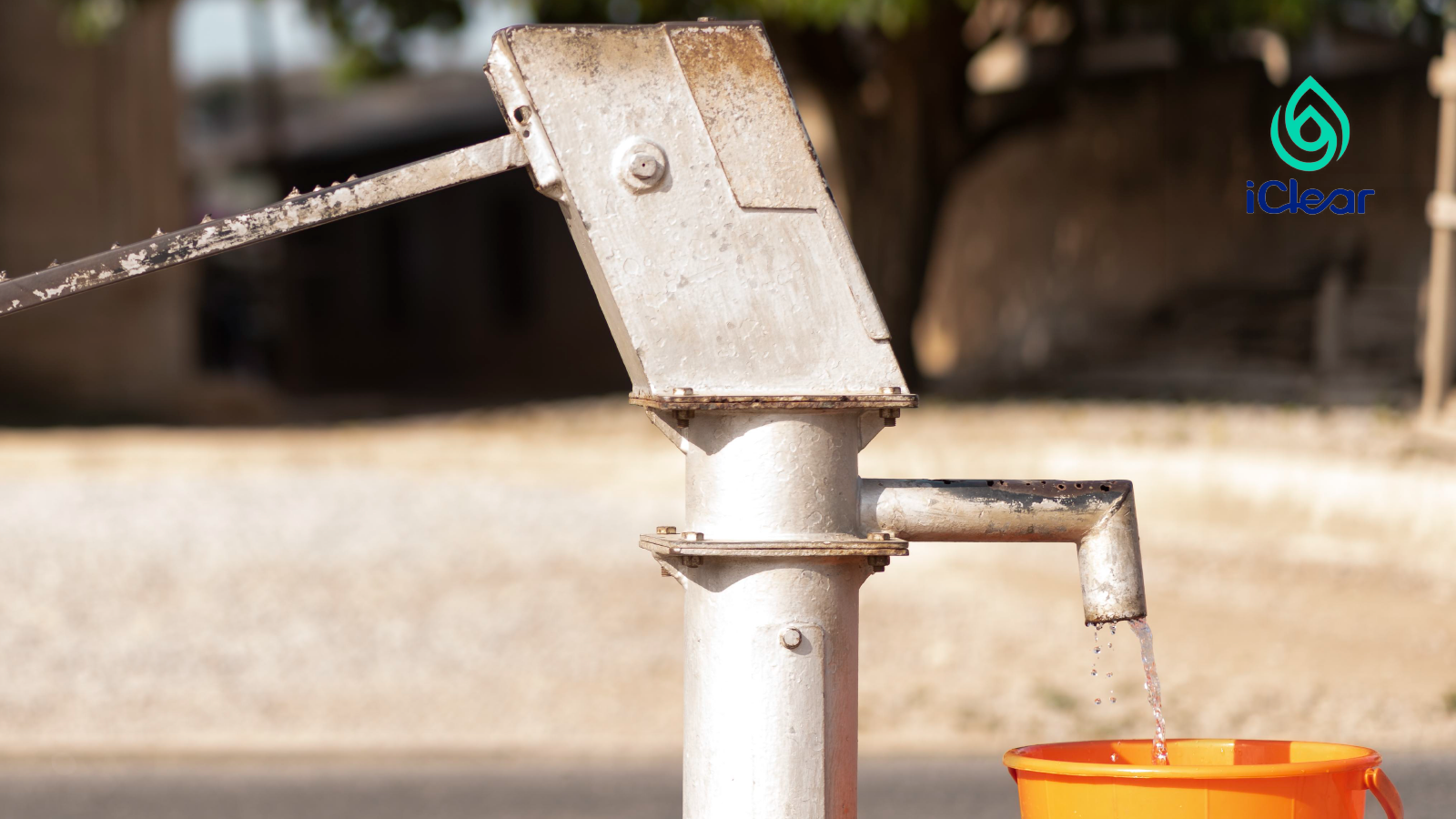
For many Kenyan homes, borehole water is the primary source of drinking and cooking water. Yet in many regions, this water contains extremely high fluoride levels, high salinity, or both. These issues are especially common in Rift Valley counties, parts of Nairobi, Machakos, and coastal regions. High fluoride can lead to fluorosis, while salty water affects taste, corrodes plumbing, and damages appliances. Reverse osmosis technology offers the most reliable household solution for removing fluoride, salts, and dissolved solids. In this guide we explore how RO tackles these problems, what defluoridation and desalination actually mean, and how iClear systems are designed for Kenyan conditions. Understanding Borehole Water Problems in Kenya Borehole water often contains dissolved minerals that are invisible but harmful. Two of the most common issues are: 1. Fluoride Contamination Fluoride occurs naturally in underground rocks. Depending on the region, fluoride levels can rise far above the safe limit of 1.5 mg/L. Some areas record 10 to even 20 mg/L. Long term consumption may lead to dental or skeletal fluorosis. For more background on fluoride in Kenya, see the iClear article: What Is the Water Quality Like in Kenya? 2. High Salinity or TDS In coastal and semi arid regions, borehole water contains excessive salts. High TDS makes water taste bitter, metallic, or salty. It also affects cooking and washing. How RO Provides Defluoridation and Desalination Reverse osmosis works by pushing water through a semi permeable membrane that blocks over 99% of contaminants. Defluoridation The RO membrane removes fluoride ions, producing safe water even when raw water fluoride is extremely high. Many RO systems include a pre filter to ensure membrane longevity when fluoride is excessive. Desalination Salts, minerals, metals, and dissolved solids are too large to pass through the membrane. RO therefore reduces TDS and produces softer, better tasting water. Why RO Works Better Than Other Methods Methods like chlorine, boiling, or carbon filters cannot remove fluoride or salts. RO remains the only proven household solution. What an RO System Includes for Borehole Water An iClear borehole ready unit typically includes: • Sediment filtration • Carbon pre filtration • Reverse osmosis membrane • Optional fluoride removal cartridges • Optional mineral balancing • Storage tank and pressure components This configuration ensures that even challenging borehole water becomes safe for long term use. Installation Process and Expectations Free installation is available in Nairobi, surrounding suburbs, and Nakuru. Technicians perform: • Water source assessment • Plumbing inspection • System placement • Full connection and flushing • Demonstration and user training Maintenance Requirements To keep fluoride and salts under control, customers should: • Replace pre filters every 3 to 6 months • Replace RO membranes every 2 to 3 years depending on water quality • Monitor TDS • Schedule service when taste changes In areas with extremely high fluoride or salinity, additional cartridges may be required yearly. Who Needs a Reverse Osmosis System the Most? RO is particularly essential for: • Homes using borehole water • Households with children at risk of fluorosis • Areas with salty or bitter tasting water • Homes seeking high quality drinking and cooking water FAQ Q: Can boiling remove fluoride or salt? A: No. Boiling increases concentration because water evaporates. Q: Will the water taste different after RO treatment? A: Yes, it becomes much softer, smoother, and neutral. Q: How long does installation take? A: Between one and two hours depending on plumbing. Conclusion Defluoridation and desalination through reverse osmosis offer the most reliable long term solution for households relying on borehole water. With proper installation and maintenance you can expect safe, pure, great tasting water for your family.
 Health & Wellness
 Water Quality Insights
 Health & Wellness