
Search

Subtotal: KSh 0
Checkout View Cart

iClear Water Purifier & Water Filter Guides for Kenya

What Is Actually in Your Tap Water? A Look at Kenya's Water Quality Challenges in 2026

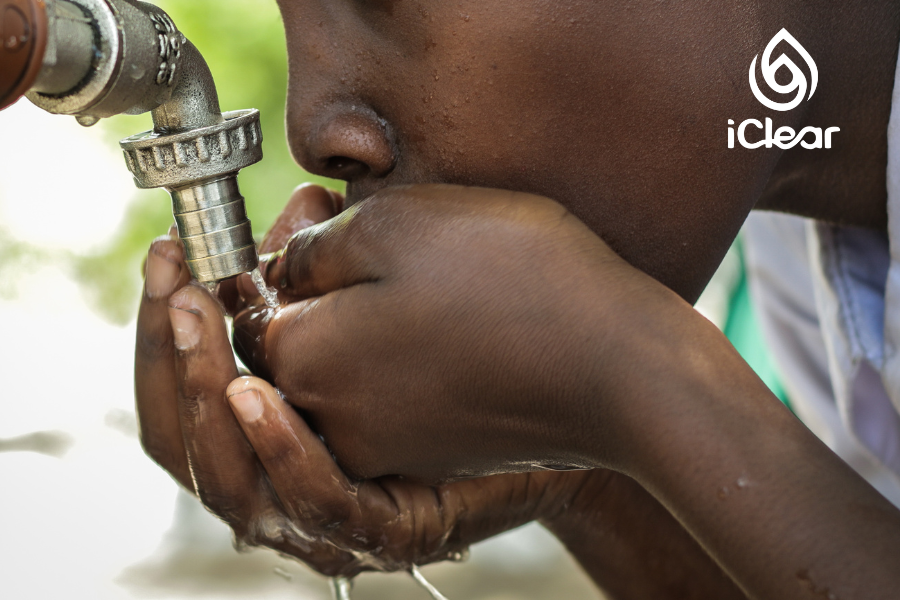
Ask a Kenyan how they get their drinking water, and the answer will usually involve some combination of tap, borehole, bottled, or refilled twenty-litre dispensers. Ask them whether they trust it, and the answer becomes hesitant. Most people boil. Some filter. A growing number buy bottled water by the case. The shared instinct is that something is not quite right, even if nobody can say exactly what. That instinct is correct. Across Nairobi, Nakuru, and many other parts of the country, the water that arrives at the tap can carry contaminants that no amount of boiling will fix. Understanding what those contaminants are, and where they come from, is the first step to actually doing something about them. The contaminants nobody talks about Three issues stand out in the Kenyan context. The first is fluoride. In parts of the Rift Valley, naturally occurring fluoride in groundwater sits well above the safe limits set by the World Health Organization. Long-term exposure has been linked to dental fluorosis, where teeth stain and weaken, and skeletal fluorosis, where bones become brittle and painful. The second is heavy metals. Older pipes across Nairobi, especially in established estates with infrastructure dating back decades, can leach lead and other metals into water that was perfectly clean when it left the treatment plant. Lead is particularly dangerous for children, where even small amounts can affect brain development. The third is salinity and hardness. Borehole water across Nairobi, Kiambu, and surrounding areas often carries high dissolved mineral content. The water tastes off, leaves white stains on dishes, ruins kettles and washing machines, and over time damages the household appliances families spend good money on. Why this matters now Kenyan households are starting to take this seriously, and the conversation is becoming public. A recent Daily Nation feature on the growing demand for safe water documented how families across the country are moving away from temporary solutions like bottled water and toward long-term household purification systems. The shift is not driven by fashion. It is driven by parents watching their children get sick, couples worried about fertility, and ordinary Kenyans tired of paying for refills that never solve the underlying problem. What is changing is awareness. For decades, the assumption was that treated water meant safe water. That assumption no longer holds, and the families who have figured this out are quietly doing something about it. What you can do this week Three small actions make a real difference. First, find out where your water actually comes from. Is it municipal, borehole, or a tanker delivery? Each source carries different risks. Second, look at your kettle and your appliances. White scale, persistent staining, or appliances that fail faster than expected often point to hard water that needs addressing. Third, ask yourself the harder question. If your water carried a contaminant boiling cannot remove, would you know? Most Kenyan families have never been given the information to answer that last question. That is what needs to change.   Find out what is actually in your water. Free delivery and professional installation in Nairobi and Nakuru. Visit the iClear shop.  

Fluoride in Kenyan Borehole Water: We Have Measured Levels Over 5 Times the WHO Safe Limit

This is not a marketing claim. Our technical team has measured fluoride in Kenyan borehole water above 8.75 mg/L in parts of the Rift Valley. The World Health Organization's safe limit is 1.5 mg/L. That means the water some Kenyan families are drinking every day contains more than five times the level the global health authority considers safe. What our field data actually shows Across iClear's installations and water testing this year, fluoride has emerged as one of the most consistent and most dangerous contaminants in Kenyan borehole water. The towns where our team has measured consistently high fluoride include: Naivasha Nakuru Kajiado Gilgil Kitengela These are not remote areas. They are towns where tens of thousands of Kenyan families live, where children grow up, and where the assumption is that borehole water is somehow safer than other sources because it comes from underground. Highest fluoride reading our team has recorded: above 8.75 mg/L in the Rift Valley. WHO safe limit: 1.5 mg/L. That is more than five times the level the World Health Organization considers acceptable for human consumption. Why fluoride at these levels is dangerous Fluoride is not visible. It has no smell. It has no taste at the levels found in borehole water. A glass of water with 8.75 mg/L of fluoride looks identical to a glass with safe levels. But the long-term health effects are serious and largely irreversible. Dental fluorosis The most visible effect is dental fluorosis, the brown staining, pitting, and weakening of tooth enamel. It is most damaging in children, whose developing teeth absorb fluoride at higher rates. Across the Rift Valley, dental fluorosis is so common that many people accept it as a normal feature of life rather than a sign of dangerous water. Skeletal fluorosis With long-term exposure, fluoride accumulates in the bones, causing skeletal fluorosis. This is a painful, progressive condition involving joint stiffness, bone deformity, and eventually severe pain and reduced mobility. It is one of the most common, but least talked about, public health problems in fluoride-affected parts of Kenya. Why basic filters cannot fix this Fluoride is dissolved in water at the molecular level. It cannot be filtered out by carbon filters, ceramic filters, gravity filters, or boiling. In fact, boiling concentrates fluoride by reducing water volume, making the problem worse. The only widely available technology that reliably removes fluoride from drinking water is Reverse Osmosis. The RO membrane has pores small enough to block fluoride ions while letting water molecules through. Without RO, fluoride at the levels seen in Rift Valley boreholes is essentially impossible to remove. If your borehole is in or near Naivasha, Nakuru, Kajiado, Gilgil, or Kitengela, you should assume fluoride is in your water until tested. The geology of these areas makes it likely. What an RO system actually removes The iClear Standard and iClear Premier are Reverse Osmosis systems designed specifically for Kenyan borehole conditions. They remove fluoride alongside dissolved salts, heavy metals, bacteria, and other contaminants in a single multi-stage process. Every iClear system is KEBS-certified and includes free professional installation in Nairobi, its environs, and Nakuru. For borehole owners in the Rift Valley specifically, an RO system is not optional. It is the only practical way to make your borehole water genuinely safe for long-term consumption. Fluoride above 8.75 mg/L in Kenyan boreholes is a public health issue, not a marketing concern. If your family relies on borehole water in the Rift Valley, the question is not whether you have a fluoride problem. The question is how high your reading is, and what you are doing about it. Protect your family from fluoride contamination. Free delivery and professional installation in Nairobi and Nakuru. Visit the iClear shop. Tags: fluoride borehole water Kenya, Rift Valley water Kenya, Naivasha water, Nakuru water, Kajiado water, fluorosis Kenya, water purifier Kenya, Reverse Osmosis Kenya

"If Water Looks Clear, It Is Safe to Drink." Here Is Why Kenyans Are Wrong About This

Ask the founder of iClear what the single biggest misconception about water in Kenya is, and the answer is immediate. It is the belief that clear water is safe water. Across four years of installations, water tests, and customer conversations, this one assumption is the one that has caused more harm than any other. "If water looks clear, it is safe to drink." That is the sentence our team hears, in some form, on almost every installation visit. It is the reason families across Kenya have been drinking water that is genuinely unsafe for years without knowing. And it is wrong. Why this belief is so dangerous Visible cloudiness, colour, or sediment is a useful warning signal, but it is only a warning for a small fraction of the contaminants in Kenyan water. The most dangerous things in your water cannot be seen at all. Fluoride, the contaminant our team has measured at levels over 5 times the WHO safe limit in parts of the Rift Valley, is completely invisible. So is arsenic. So are most heavy metals, dissolved salts, nitrates, and most bacteria. A glass of water can look perfectly clean and still carry enough fluoride to cause permanent dental and skeletal damage with long-term consumption. Our team has measured fluoride levels above 8.75 mg/L in parts of the Rift Valley. The WHO safe limit is 1.5 mg/L. None of that fluoride is visible in the glass. What our field tests actually show Across the towns where iClear's technical team has tested water this year, here is what shows up in water that customers describe as "clear": Naivasha boreholes: 300 to 600 ppm TDS, with high fluoride Kitengela boreholes: 450 to 600 ppm TDS, often with elevated fluoride Kajiado: TDS readings consistently above 450 ppm Karen and Runda: borehole water with elevated mineral content Syokimau: municipal water often compromised by storage tank contamination In every one of those readings, the water looked acceptable to the customer. None of it was acceptable to a meter. What customers usually say when they realise On installation day, customers see what comes out of their water during the first filter change. The reaction across hundreds of homes has been remarkably consistent: "I didn't know our water was this dirty." The shift in understanding usually happens in that moment, watching sediment, rust, and discoloured residue come out of water they had been drinking, cooking with, and giving to their children. Clear, in that moment, stops being a synonym for clean. The contaminants you cannot see These are the things in Kenyan water that visual inspection will never reveal: Fluoride, especially in Rift Valley boreholes Dissolved salts, particularly in coastal and arid-region boreholes Heavy metals such as lead, iron, and arsenic Bacteria, including coliforms from storage tanks Chlorine residues from municipal treatment Nitrates from agricultural runoff None of these change the colour, clarity, or taste of water in obvious ways. Many of them are odourless. All of them are removable, but only by the right filtration technology. What clear water actually means Clear water means visible particles have settled or been filtered out. It says nothing at all about what is dissolved in the water at the molecular level. That distinction, dissolved versus visible, is the entire reason Reverse Osmosis exists as a technology. RO works at the molecular level, removing what no amount of looking will ever reveal. Every product in the iClear range uses Reverse Osmosis filtration to remove the contaminants your eyes cannot detect. The iClear Standard and iClear Premier are designed for everyday household use. The iClear Desktop provides the same purification in a portable, no-plumbing form. Every system is KEBS-certified. Clear water in Kenya is not safe water. It is unfiltered water that has had its visible particles removed. The dangerous things, the fluoride, the salts, the metals, the bacteria, are still there. Stop trusting your eyes. Start trusting your data. Find out what is actually in your water. Free delivery and professional installation in Nairobi and Nakuru. Visit the iClear shop. Tags: water purifier Kenya, clear water safe to drink, water safety Kenya, iClear Kenya, fluoride Kenya, water quality Kenya, water purification machine

Water Filters in Kenya: Everything You Need to Know Before You Buy

The water filter market in Kenya has grown rapidly, and with that growth has come confusion. Different technologies, wildly different prices, and competing claims make it hard to know what you are actually buying. This guide covers everything you need to know about water filters in Kenya before you spend a shilling. Why water filters have become essential in Kenya Kenya's water supply, whether municipal, borehole, or rainwater, rarely arrives at the tap genuinely safe to drink. Municipal water travels through ageing pipes that can reintroduce bacteria and heavy metals. Borehole water carries naturally occurring fluoride, nitrates, and salts. Even rainwater picks up contaminants from roofs, gutters, and storage tanks. A water filter is no longer a luxury in Kenya. For most households and offices, it is the most reliable way to ensure the water they drink every day is genuinely safe. The types of water filters available in Kenya Understanding the categories is the first step to making a good decision: Sediment and gravity filters: remove visible particles only Carbon filters: improve taste and remove chlorine, limited against chemicals and metals Ceramic filters: effective against sediment and some bacteria, slow and limited otherwise UV purifiers: kill bacteria and viruses but remove nothing dissolved Reverse Osmosis systems: comprehensive removal of bacteria, viruses, heavy metals, fluoride, nitrates, and dissolved salts What to check before buying any water filter in Kenya Does it match your water source? This is the single most important question. A filter that works for treated municipal water may be useless against borehole water high in fluoride and salts. Always start with what is in your water. Is it KEBS-certified? The Kenya Bureau of Standards certification is your assurance that the product has been independently tested and meets national safety standards. It is the clearest way to separate a verified product from an unverified one. What does it cost to run, not just to buy? The purchase price is only part of the cost. Filter replacements, maintenance, and installation all add up. A cheap filter with expensive or hard-to-find replacement parts can cost more over time than a quality system with proper support. Is installation included? Many filters in Kenya are sold without installation, leaving buyers to hire general plumbers who may not understand the system. iClear Kenya includes free professional installation in Nairobi, its environs, and Nakuru with every purchase. A water filter is only as good as its match to your water and the quality of its installation. The cheapest option on paper is rarely the cheapest option over time. Matching a filter to your needs iClear's range is built to cover the main household and office scenarios in Kenya. The iClear Standard and iClear Premier are plumbed RO systems for everyday and larger household use. The iClear Desktop is a portable option requiring no plumbing. For workplaces, the iClear Office system serves teams of 20 to 30 staff. Before you buy any water filter in Kenya, confirm three things: that it matches your water source, that it carries KEBS certification, and that installation and support are included. Get those right and the rest follows. Ready to buy the right water filter with confidence? Free delivery and professional installation in Nairobi and Nakuru. Visit the iClear shop. Tags: water filter Kenya, water filters Kenya, water filter price in kenya, water purifier Kenya, Reverse Osmosis water filter Kenya, iClear Kenya, KEBS certification

The Best Home Water Filters in Kenya: An Honest 2026 Buyer's Guide

Searching for the best home water filter in Kenya throws up dozens of options, hundreds of opinions, and very little honest guidance. This guide cuts through the noise. Here is what actually matters when choosing a home water filter in Kenya, what to ignore, and how to match a system to your specific water source. First, understand what you are actually filtering The best home water filter is not a universal product. It depends entirely on what is in your water. A home in Nairobi on municipal supply faces different challenges from a home in Nakuru on borehole water, which faces different challenges again from a coastal home dealing with high salinity. Before comparing products, it helps to know the main categories of contaminants found in Kenyan household water: Bacteria and viruses, including E. coli, typhoid, and cholera-causing organisms Heavy metals such as lead, iron, and arsenic Fluoride, particularly high in Rift Valley groundwater Dissolved salts and high total dissolved solids, common in borehole and coastal water Chlorine and chemical residues from municipal treatment The main types of home water filters in Kenya Gravity and sediment filters These are the cheapest and simplest. They remove visible particles and sediment but do nothing about bacteria, dissolved chemicals, heavy metals, or fluoride. For most Kenyan water sources, they are not enough on their own. Carbon filters Carbon filters improve taste and remove chlorine and some organic compounds. They are a useful stage in a larger system but cannot handle heavy metals, fluoride, or dissolved salts when used alone. UV purifiers UV systems kill bacteria and viruses effectively but remove nothing from the water. Dissolved chemicals, fluoride, and heavy metals pass straight through. In Kenya, where dissolved contamination is widespread, UV alone leaves a significant gap. Reverse Osmosis (RO) systems RO is the most comprehensive home water filtration technology available. It removes bacteria, viruses, heavy metals, fluoride, nitrates, dissolved salts, and sediment in a single system by forcing water through a semi-permeable membrane at the molecular level. For the majority of Kenyan homes, especially those on borehole or salty water, Reverse Osmosis is the only single technology that addresses every major contaminant category at once. This is why it has become the standard for serious home water filtration in Kenya. What actually matters when choosing Beyond the technology itself, these are the factors that genuinely affect whether a home water filter is worth buying: KEBS certification, which independently verifies that the system meets Kenya's national safety standards The number of filtration stages, with quality RO systems using 5 to 7 stages Daily output capacity matched to your household size Whether professional installation is included or an extra cost The availability of after-sales support and filter replacements How iClear's home range compares iClear Kenya offers a range of KEBS-certified Reverse Osmosis home filters designed for Kenyan water conditions. The iClear Standard handles everyday household use from borehole, rain, or municipal sources. The iClear Premier serves larger households of 8 to 15 people with a 100 gallon per day capacity. The iClear Desktop is a portable, no-plumbing option for renters and smaller spaces. Every iClear system includes free professional installation in Nairobi, its environs, and Nakuru. No other water purifier brand in Kenya currently offers this as standard, and it removes one of the most common hidden costs in the buying process. The best home water filter in Kenya is the one that removes what your water actually contains, is independently certified, and is installed correctly. For most homes, that points to a KEBS-certified RO system. Ready to find the best water filter for your home? Free delivery and professional installation in Nairobi and Nakuru. Visit the iClear shop. Tags: best home water filters, water filter Kenya, home water filter Kenya, water purifier Kenya, Reverse Osmosis water filter Kenya, iClear Kenya, KEBS certification

How iClear Makes Clean Water Affordable for Every Kenyan Household

The assumption that a high-quality water purifier is a luxury purchase is one of the most persistent barriers to clean water access in Kenya. iClear was built to challenge that assumption directly. Here is how the company structures its products, pricing, and service to bring genuine water purification within reach of every Kenyan household. The real cost of not having a water purifier Before looking at what iClear costs, it helps to look at what the absence of a good water purifier actually costs. Kenyan households without a reliable purification solution typically fall into one of three patterns, and each of them carries a real financial burden. Buying bottled water: at KES 3,000 to 8,000 per month for a typical family, that is up to KES 96,000 per year spent on a product whose quality and hygiene you cannot fully verify Boiling water: consumes fuel or electricity daily and does not remove dissolved chemical contaminants Drinking unfiltered water: carries the risk of waterborne illness, medical costs, and lost workdays, none of which show up in a household budget until they happen An iClear water purifier eliminates all three patterns with a single investment that continues delivering value for years. A product for every household size and budget One of the ways iClear makes clean water more accessible is by offering a range of products designed for different household sizes, living situations, and budgets, rather than a single one-size-fits-all system. iClear Standard: Everyday Household Use • Multi-stage RO purification for borehole, rain, or municipal water • Pressure storage tank, free professional installation included • Ideal for small to medium households View the iClear Standard iClear Premier: Larger Households • 100 gallons per day capacity for households of 8 to 15 people • Larger filters and higher throughput than the Standard • Free professional installation included View the iClear Premier iClear Desktop: Smaller Spaces and Renters • Portable RO with instant heating, no plumbing required • 4-litre built-in tank, six temperature settings • The most accessible entry point into iClear's RO range View the iClear Desktop iClear Office: Workplaces of 20 to 30 Staff • Bottleless RO and UV system on an annual agreement • Free servicing every four months included • Eliminates bottled water costs from the first month View the iClear Office Purifier Free installation removes the hidden cost One of the most common hidden costs when buying a water purifier in Kenya is installation. Many brands charge separately for it, and some buyers hire general plumbers who are unfamiliar with RO systems, creating risks of incorrect installation that can compromise the entire system's performance. iClear includes free professional installation with every purchase in Nairobi, its environs, and Nakuru. iClear's trained technicians handle the full setup process at no extra cost. No other water purifier brand in Kenya currently offers this as standard. The saving on installation alone is significant. KEBS certification means you get what you pay for Part of making clean water affordable is making sure that what you buy actually works. A cheaper uncertified system that does not remove the contaminants it claims to is not affordable. It is a waste. Every iClear product carries KEBS certification, independently verified by the Kenya Bureau of Standards. That certification means the performance claims are real. Clean water does not have to mean expensive water. It means choosing a system that removes what your water actually contains, installs correctly, and keeps working reliably over time. That is what iClear is built to deliver across every product in its range. Find the right iClear system for your household or office. Free delivery and professional installation in Nairobi and Nakuru. Visit the iClear shop. Tags: water purifier Kenya, iClear Kenya, affordable water purifier Kenya, water purification machine, domestic water purifiers Kenya, iClear water purifier, water filter Kenya, clean water Kenya

The iClear Desktop: Kenya's Most Portable RO Water Purifier

Most water purifiers require plumbing, a dedicated installation space, and a technician to set them up. The iClear Desktop requires none of that. It sits on your counter, plugs into a socket, and delivers Reverse Osmosis purified water with instant heating in three seconds. Here is everything you need to know about it. What is the iClear Desktop? The iClear Desktop Water Purifier is a compact, portable RO purifier with a built-in instant water heater, designed for Kenyan homes, apartments, small offices, and shared workspaces. It combines full Reverse Osmosis filtration with six precise temperature settings, all in a countertop unit that requires no plumbing and minimal setup. It is iClear's most accessible product in terms of installation simplicity, making it the right choice for renters, smaller households, and anyone who needs clean purified water without committing to a full plumbed system. What makes it different from a standard RO purifier A standard RO system like the iClear Standard or iClear Premier connects directly to your water supply and requires professional installation. The Desktop works differently. It has a built-in 4-litre storage tank that you fill manually, making it fully independent of your plumbing. It also adds something that standard RO systems do not include: instant hot water. The Desktop heats purified water to your chosen temperature in three seconds, replacing both your water purifier and your kettle in a single compact unit. Key features of the iClear Desktop Full Reverse Osmosis purification removing dissolved salts, bacteria, heavy metals, fluoride, and chemical residues Works on borehole, salty, rainwater, and municipal supply Instant hot water in 3 seconds with six precise temperature settings via digital touchscreen Temperature settings suited for tea, coffee, baby formula, and cold drinking water Safety lock on the hot water function No plumbing required. Built-in 4-litre storage tank Low power consumption Compact countertop design for kitchens, offices, and shared spaces Free delivery in Nairobi, its environs, and Nakuru Who is the iClear Desktop for? Renters and apartment dwellers If you rent your home and cannot make permanent plumbing changes, the Desktop gives you full RO purification without touching any pipework. You can take it with you when you move. Small households and individuals For one to three people, the 4-litre tank provides an adequate daily supply of purified water without the higher capacity and cost of a full household system. Small offices and shared workspaces For a small team that wants clean drinking water without the scale or cost of the iClear Office system, the Desktop sits on the kitchen counter and serves the team throughout the day. Anyone who boils water daily If your current routine involves boiling water for drinking, tea, or baby formula, the Desktop replaces that process entirely. Purified, instantly heated water at the exact temperature you need, in three seconds, without a kettle or a wait. Boiling water kills bacteria but leaves dissolved contaminants like fluoride, heavy metals, and nitrates behind. The iClear Desktop removes all of it through Reverse Osmosis before heating, so the water you drink is genuinely pure at every temperature. How it compares to the rest of the iClear range The iClear Desktop sits alongside three other products in the iClear range, each designed for a different scale of use: iClear Standard, a plumbed RO system for everyday household use that requires professional installation iClear Premier, high-capacity RO for households of 8 to 15 people or small offices, producing 100 gallons per day iClear Desktop, a portable, no-plumbing RO with instant heating for smaller spaces iClear Office, a bottleless RO and UV system for offices of 20 to 30 staff that includes free quarterly servicing The iClear Desktop is the most flexible product in the range. No plumbing, no installation appointment, and no waiting. Just plug in, fill the tank, and start drinking genuinely purified water within minutes. Ready to get the iClear Desktop? Free delivery in Nairobi and Nakuru. Visit the iClear shop. Tags: portable water purifier Kenya, iClear Desktop, water purifier Kenya, water purification machine for home use, Reverse Osmosis water filter Kenya, iClear water purifier, water filter Kenya

Water Purifier Machine Price in Kenya: Why iClear's Model Works Differently

When most Kenyans search for water purifier machine prices in Kenya, they are comparing sticker prices. But the sticker price is only part of the story. What happens after you buy is where most water purifier brands quietly cost you more than you expected. iClear is built around a different approach. What most water purifier brands actually sell you The typical model in Kenya's water purifier market works like this: a company sells you a machine, possibly arranges installation at an extra cost, and then largely disappears. Filter replacements are your responsibility to find and source. Maintenance is a call you have to make and a cost you have to absorb. When performance drops, as it will if a system is not properly serviced, there is often no one accountable on the other end. This model works fine for companies focused on shifting units. It does not work well for the households and offices trying to maintain long-term access to clean water. A water purifier that is not properly maintained stops performing properly. What looks like a one-off purchase can quietly become an ongoing cost if the brand does not back it up with real after-sales support. How iClear structures its model differently iClear Kenya does not just sell machines. It delivers a complete water purification solution. From the moment you enquire to long after your system is installed, the iClear model is built around keeping your water genuinely clean. Free professional installation Every iClear purchase includes free delivery and professional installation in Nairobi, its environs, and Nakuru. iClear's trained technicians handle the entire setup, integrating the system with your existing water supply and testing it before they leave. No other water purifier brand in Kenya currently offers this as standard. This matters more than most buyers realise. An incorrectly installed RO system can underperform significantly or even introduce new contamination risks. Professional installation is not just a convenience. It is a guarantee of performance from day one. Ongoing maintenance and after-sales support iClear provides ongoing maintenance support for all its products. For the office system, free professional servicing is included every four months as part of the annual agreement. For home systems, iClear's team is available for filter replacements, maintenance visits, and support whenever it is needed. KEBS-certified technology Every product in the iClear range is KEBS-certified, meaning it has been independently verified by the Kenya Bureau of Standards to meet national water safety benchmarks. When you buy an iClear system, you are not taking the brand's word for it. You have an independent authority's verification behind every claim. iClear's product range at a glance iClear Standard Water Purifier • Multi-stage RO purification for household use • Handles borehole, rain, and municipal water • Pressure storage tank included • Free delivery and professional installation in Nairobi and Nakuru View the iClear Standard iClear Premier Water Purifier • High-capacity RO purification, 100 gallons per day • Designed for 8 to 15 people • Larger filters and enhanced performance • Free delivery and professional installation in Nairobi and Nakuru View the iClear Premier iClear Desktop Water Purifier • Portable RO with instant hot water in 3 seconds • Six temperature settings, no plumbing required • 4-litre built-in tank, compact countertop design • Free delivery in Nairobi and Nakuru View the iClear Desktop iClear Office Water Purifier (Annual Agreement) • Bottleless RO and UV system for offices of 20 to 30 staff • Hot and cold dispensing with safety lock • Free servicing every four months included • Free professional installation in Nairobi and Nakuru View the iClear Office Purifier The total value of the iClear model When you factor in free professional installation, ongoing maintenance support, KEBS-certified technology, and a product range designed specifically for Kenya's water conditions, the iClear model delivers considerably more than the purchase price suggests. The right question is not which water purifier machine has the lowest price in Kenya. It is which system delivers the best long-term value for your household or business. Across every measure that matters, iClear is built to answer that question well. No other water purifier brand in Kenya bundles free professional installation, ongoing maintenance support, and KEBS-certified technology into a single purchase. That combination is the real story behind iClear's model. See the full iClear range and find your fit. Free delivery and professional installation in Nairobi and Nakuru. Visit the iClear shop. Tags: water purifier machine price Kenya, water purifier Kenya, iClear Kenya, iClear water purifier, KEBS certification, water purification machine, Reverse Osmosis water filter Kenya

Understanding Water Filter Prices in Kenya: What Affects the Cost?

Walk into any hardware shop or search online and you will find water filters ranging from a few hundred shillings to tens of thousands. The price gap is enormous, and for most buyers, it is not obvious what accounts for it. Here is what actually drives the cost of a water purification system in Kenya, and how to make sure you are paying for the right things. Not all water filters are the same category of product The first thing to understand is that the term "water filter" covers an extremely wide range of products. A basic sediment filter that catches visible particles costs a fraction of what a full Reverse Osmosis system costs, and the gap in what they actually do is just as large. When comparing prices, you need to know which category of product you are looking at. The main categories available in Kenya are: Gravity filters and basic sediment filters, which remove visible particles only Carbon filters, which improve taste and odour but are limited against chemicals and heavy metals UV purifiers, which kill bacteria and viruses but remove nothing dissolved Reverse Osmosis systems, which comprehensively remove bacteria, viruses, heavy metals, fluoride, nitrates, and dissolved salts A cheap filter and a quality RO water purification system are not competing for the same job. Comparing their prices without understanding what each one does leads to a purchase you will regret. Five factors that drive water filter prices in Kenya 1. The filtration technology Technology is the single biggest price driver. A Reverse Osmosis membrane costs significantly more to manufacture than a carbon block or ceramic disc, and it removes significantly more contaminants. If you are buying on the Kenyan market and wondering why two products look similar but have very different prices, the membrane technology inside them is almost always the explanation. 2. The number of filtration stages A quality RO system uses between 5 and 7 filtration stages, each targeting different contaminant types at different points in the purification process. More stages mean more thorough purification and longer membrane life. Cheaper systems cut stages to reduce cost, which shows up in both water quality and how quickly the system degrades. 3. Capacity and daily output How much purified water a system can produce per day is directly tied to price. A compact desktop unit designed for one or two people has a smaller output than a high-capacity household or office system. The iClear Premier, for example, is designed for households of 8 to 15 people with a capacity of 100 gallons per day. The iClear Desktop is a compact unit designed for smaller spaces. Both use RO technology but serve different scales of need. 4. Installation and after-sales service This is where many Kenyan buyers are caught off guard. A low headline price often excludes installation, which then costs extra. And without proper after-sales support, filter replacements and maintenance become the buyer's problem to solve independently. iClear Kenya includes free professional installation in Nairobi, its environs, and Nakuru with every purchase. No other water purifier brand in Kenya currently offers this as standard. It is a meaningful part of the total value and should be factored into any price comparison. 5. Certification and quality verification A KEBS-certified water purifier has been independently tested to meet Kenya's national safety standards. An uncertified product has not. The price difference between a certified and an uncertified system often reflects this gap in verified performance. Every iClear product carries KEBS certification. The real cost of buying cheap A low upfront price on a water filter can look attractive until you factor in what it does not remove. A filter that leaves fluoride, nitrates, or heavy metals in your water is not saving you money. It is transferring the cost to your health, your appliances, and eventually your medical bills. The correct question is not which water filter is cheapest. It is which system delivers the best total value across technology, installation, support, and long-term performance. Framed that way, the calculation looks very different. When comparing water filter prices in Kenya, compare what is included: the filtration technology, the number of stages, the daily output capacity, installation, after-sales support, and whether the product carries KEBS certification. Price without these details is not a meaningful comparison. iClear's product range across different needs and budgets iClear Kenya offers four products designed to match different household and office needs, all built on the same Reverse Osmosis technology and backed by the same free installation and after-sales service: iClear Standard, for everyday household use from borehole, rain, or municipal sources iClear Premier, for larger households or small offices of 8 to 15 people iClear Desktop, a portable RO unit with instant heating for smaller spaces iClear Office, a bottleless RO and UV system for offices of 20 to 30 staff Ready to find the right water purifier for your budget? Free delivery and professional installation in Nairobi and Nakuru. Visit the iClear shop. Tags: water filter prices Kenya, water purifier Kenya, water purification machine, iClear Kenya, Reverse Osmosis water filter Kenya, KEBS certification, iClear water purifier

What Clean Water Really Means: Stories from Four Years of iClear

In four years of installing water purifiers across Kenyan homes and offices, the iClear team has collected a quiet archive of moments. Not the kind that show up on a sales report, but the kind that change how the people doing this work think about it. A look on a customer’s face when the first filter comes out. A parent’s relief. A phone call months later just to say thank you. These are the stories that make a fourth anniversary feel like more than a number. The family that finally felt safe One story, in particular, has stayed with the team. A family had been quietly struggling with recurring stomach issues, the kind that kept showing up in their children no matter what they did. They had cycled through the usual suspects, food, hygiene, the change of seasons, without finding a clear answer. The water they were drinking had never made it onto the list. It looked fine. It always had. After an iClear system went in, things began to shift. The doubts that had been part of the family’s rhythm started thinning out. Health improved over the following weeks. What the team remembers most is not the technical success of the installation. It is the parents saying, in their own words, that they finally had peace of mind about the water their children were drinking. “That is when it stops being a product. That is when it becomes wellbeing.” The moment customers see what was actually in their water There is a recurring scene in iClear installations that the team has come to expect. A customer is standing in their kitchen, or their office breakroom, watching the first filter cycle finish. Then they see what came out. Sediment. Rust. Particles that have no business being in a glass of water. The reaction is almost always the same. Most people are genuinely shocked. They had assumed their water was clean because it was clear. The two had felt like the same thing. The most common sentence the team hears in that moment is also the most quietly devastating one. “I didn’t know this is what we’ve been drinking.” Once a customer has seen it, the conversation is over. They are not buying a purifier any more. They are protecting their household. The one regret almost every customer shares Ask iClear customers, four years in, what they wish they had known earlier, and the answer is consistent. They wish they had switched sooner. Many of them say they underestimated the impact of water quality on their health, on their appliances, on their daily life in ways they had never connected. Kettles last longer. Skin and hair feel different. Cooking tastes cleaner. Stomachs settle. Once a household experiences clean water properly, the delay starts to feel like a cost. Not a cost in shillings, but a cost in time. Time spent boiling, buying bottled water, second-guessing what came out of the tap, worrying about the children. The phrase the team hears, again and again, is some version of, “We should have done this years ago.” A message to the family still on the fence For the Kenyan household still drinking unfiltered water today, the iClear team has a straightforward message. Clean water is not something you should have to question every time you fill a glass. Water can look clear and still carry what you don’t want your family to drink. The two are not the same thing, even when your eyes tell you they are. Making the switch is not really about convenience, or status, or following a trend. It is about protecting the people in your home over the long run. It is a small, undramatic decision that quietly changes a hundred small things, every single day. Four years of iClear customers can vouch for that. The team’s hope, going into year five, is simply that more families don’t wait as long as the ones who now wish they hadn’t. iClear Kenya is marking its fourth anniversary in June 2026.