
Search

Subtotal: KSh 0
Checkout View Cart

iClear Water Purifier & Water Filter Guides for Kenya

Water Tank vs Water Purifier: Do You Need Both?

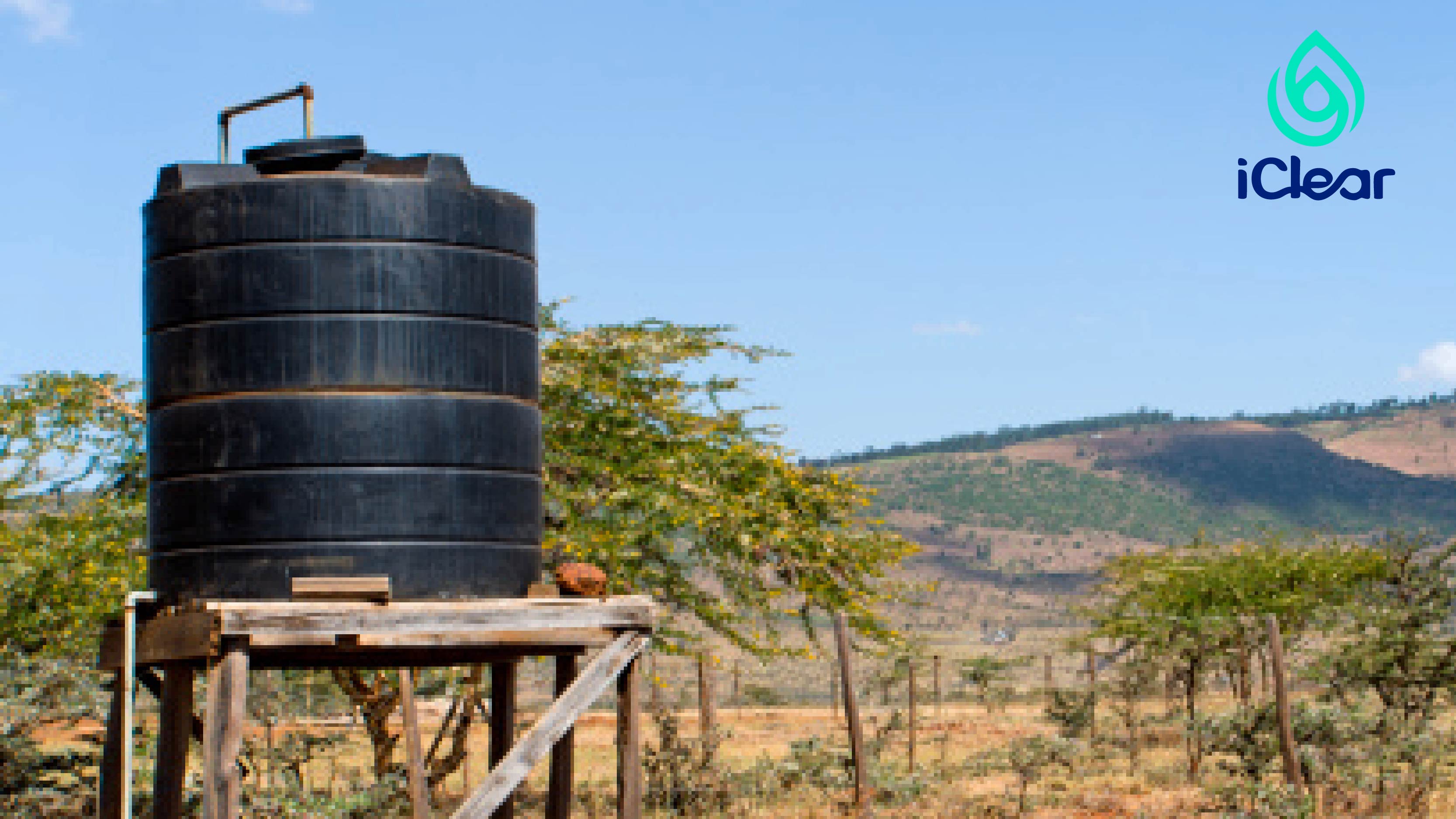
Many homes in Kenya have water tanks, but fewer invest in water purification. The two are often confused, yet they serve completely different purposes. A water tank stores water, while a water purifier treats water. What a Water Tank Does Water tanks are essential for: Storing water during supply interruptions Maintaining pressure in homes and apartments Providing backup during shortages However, tanks do not improve water quality. In fact, they can sometimes make it worse if not maintained. What a Water Purifier Does A water purifier removes: Bacteria and viruses Sediments and turbidity Dissolved contaminants like fluoride or heavy metals This ensures water is safe for drinking, not just available. Key Differences Feature Water Tank Water Purifier Purpose Storage Treatment Improves quality No Yes Removes bacteria No Yes Removes chemicals No Yes The Hidden Risk Water stored in tanks can become contaminated over time due to: Dust and debris Poor cleaning Heat exposure This means even clean water can become unsafe before use. Do You Need Both? In most Kenyan homes, the answer is yes. The tank ensures availability The purifier ensures safety Final Thoughts A water tank solves a supply problem. A purifier solves a health problem. Treating them as interchangeable can lead to serious water safety risks.

Nairobi Water Municipal Bill: What Are You Actually Paying For?

Many Nairobi residents pay their water bills without fully understanding what goes into the cost. Your bill is not just for water. It includes several components. What Makes Up the Bill? Typical charges include: Water consumption Sewer services Meter charges Fixed service fees Why Bills Can Be High Several factors affect your bill: Leakages within the property Shared meters in apartments Inefficient water use Billing estimates instead of actual readings The Hidden Costs Even beyond the bill, households often spend more on: Bottled water Tanker deliveries during shortages Maintenance of storage systems Cost vs Quality Paying for water does not always guarantee quality. Many homes still rely on additional filtration or bottled water for drinking. Final Thoughts Understanding your water bill helps you manage usage, reduce waste, and make better decisions about how you source and treat your water.

Gut Health and Detox: Does Your Water Matter?

Water plays a key role in digestion, nutrient absorption, and overall gut health. Poor water quality can introduce substances that affect the digestive system. What Enters Your Body Through Water Depending on the source, water may contain: Bacteria Chemical residues Heavy metals These can disrupt the balance of the gut microbiome. Detox and Hydration The body naturally detoxifies through: The liver The kidneys Clean water supports these processes by helping flush out waste. When Water Works Against You Contaminated water can: Irritate the digestive system Increase risk of infections Affect long-term health Clean Water as a Foundation Many people focus on diet when improving gut health but overlook water quality. Hydration is only beneficial when the water itself is safe. Final Thoughts Gut health and detox are not just about what you eat. The quality of the water you drink daily plays a significant role in overall wellness.

RO vs Ceramic Filters: Which Is Better for Kenyan Boreholes?

Borehole water is widely used across Kenyan homes, schools, and commercial properties. While boreholes are convenient and reliable, the water can contain various contaminants, including: Bacteria and viruses Nitrates and fluoride Sediments and turbidity Heavy metals Choosing the right purification system is critical for ensuring safe drinking water. Two of the most popular technologies for boreholes are Reverse Osmosis (RO) and Ceramic filters. How RO Filters Work Reverse Osmosis uses a semi-permeable membrane to remove a wide range of contaminants. Water is forced through the membrane under pressure, leaving impurities behind. RO systems typically remove: Bacteria and viruses Nitrates and fluoride Heavy metals (lead, arsenic, iron) Dissolved salts and minerals Advantages of RO: Comprehensive contaminant removal Produces very pure water Suitable for boreholes with high dissolved solids Limitations of RO: Requires electricity or pressure pump Wastes some water during purification Can remove beneficial minerals unless re-mineralization is included   How Ceramic Filters Work Ceramic filters purify water using a porous ceramic material that blocks bacteria, sediments, and some larger microorganisms. Ceramic filters typically remove: Bacteria Sediments and turbidity Some parasites Advantages of Ceramic Filters: Simple to use, no electricity needed Long-lasting and easy to clean Low maintenance costs Limitations of Ceramic Filters: Cannot remove dissolved chemicals such as nitrates, fluoride, or heavy metals Water may need additional treatment if contamination is chemical in nature   Comparison Table: RO vs Ceramic Filters for Boreholes Feature RO Filters Ceramic Filters Bacteria & Viruses Yes Yes Nitrates Yes No Fluoride Yes No Heavy Metals Yes No Sediment/Turbidity Yes Yes Electricity Required Yes No Maintenance Moderate Low Water Wastage Some None   Which Is Better for Kenyan Boreholes? The answer depends on the quality of your borehole water: High dissolved solids, nitrates, or heavy metals: RO is the better choice. It ensures chemical contaminants are removed, producing safe water for families and infants. Learn more about the risks of contaminants in Kenyan water in Is Lead in Kenyan Water a Hidden Risk?. Low chemical contamination, mostly biological or sediment issues: Ceramic filters are sufficient. They are cost-effective, low-maintenance, and ideal for communities with reliable water testing and moderate contamination levels. For tips on managing seasonal water quality, see Kenya Tap & Borehole Water Quality.   Seasonal Considerations During rainy seasons, borehole water can experience increased turbidity and runoff contamination, introducing sediments and microorganisms. Even a ceramic filter may require extra care during this period. Checking seasonal water risks helps ensure continuous safe water. Practical Tips for Borehole Owners Test your borehole water regularly to determine contaminants. Choose RO if chemical contaminants (nitrates, fluoride, heavy metals) are present. Choose ceramic filters for primarily sediment or bacterial contamination in low-risk areas. Combine filtration with UV or chlorine treatment for added safety in rainy seasons. Maintain and clean filters according to manufacturer instructions.   Conclusion Both RO and ceramic filters play important roles in ensuring safe drinking water from Kenyan boreholes. RO is ideal for chemical and microbial contaminants, while ceramic filters are suitable for biological and sediment removal. Understanding the water quality of your borehole, seasonal changes, and family needs will guide the best choice. Testing your water and selecting the appropriate system ensures safe, clean drinking water year-round.

iClear Kenya Joins Nakuru County in Celebrating International Day of Forests and World Water Day

iClear Kenya was honoured to be among the partners and stakeholders at a joint commemoration of the International Day of Forests and World Water Day, held at the Naivasha Medium Security Prison grounds in Nakuru County. The event focused on the themes “Forests and Economies” and “Water and Gender”, highlighting how healthy ecosystems and equitable water access support sustainable livelihoods. County Leadership and Water Initiatives Deputy Governor H.E. David Kones highlighted Nakuru County’s commitment to improving access to safe and reliable water. Key initiatives include: Drilling and commissioning new boreholes Rehabilitation of existing water supply systems Expansion of reticulation networks to underserved areas These efforts align perfectly with iClear Kenya’s mission that clean water is a right. Our focus on borehole water safety complements these county initiatives. In fact, properties that rely on groundwater can face hidden risks, such as high nitrates in borehole water, which can be dangerous for infants. Learn more about managing this risk in our detailed guide, Nitrates in Borehole Water: A Silent Danger for Babies. Tree Planting and Environmental Stewardship Deputy Governor Kones also led a tree planting exercise, targeting over 5,000 indigenous and fruit-bearing trees, contributing to Kenya’s national tree-planting initiative. Trees help conserve water by: Enhancing groundwater recharge Reducing soil erosion Protecting water quality in rivers and aquifers This is especially important during rainy seasons, when runoff can carry sediments, chemicals, and bacteria into water sources. Understanding these seasonal risks is critical for households and communities, which is why we also cover water safety during floods in our guide, Floods in Kenya: How Runoff Can Contaminate Your Drinking Water.   Water and Gender: Promoting Inclusive Access The theme “Water and Gender” highlights the critical role women and girls play in household water management and community well-being. iClear Kenya supports programs that empower women and youth to participate in water governance, ensuring equitable access to clean water for all members of the community. Why This Engagement Matters for iClear Kenya Participation in this event reinforces iClear Kenya’s dedication to: Promoting safe borehole water and water purification solutions Supporting environmental sustainability through tree planting and conservation Engaging communities, county governments, and partners in water safety solutions Embedding awareness of nitrate risks in borehole water and seasonal contamination from floods ensures that communities are better informed about water safety challenges and practical solutions. Looking Ahead iClear Kenya thanks Nakuru County officials, community leaders, and all stakeholders who participated in the event. By working together, we continue to build a cleaner, greener, and water-secure Kenya, empowering communities through safe water access, environmental conservation, and inclusive water management practices.      

UV vs RO vs UF: Which Technology Removes What?

When choosing a water purifier, many people encounter three common technologies: UV, RO, and UF. Each system works differently and removes different types of contaminants from water. For households, landlords, and offices trying to choose the right purification system, understanding what each technology removes is important. The effectiveness of a purifier depends largely on the type of contaminants present in the water. This is especially relevant in Kenya where many homes rely on borehole water, which can contain dissolved salts, fluoride, nitrates, and other minerals that basic filters cannot remove. Before choosing a purification method, water testing is recommended so that treatment is based on actual water quality rather than assumptions. What Is UV Water Purification? Ultraviolet purification uses ultraviolet light to disinfect water. UV light damages the DNA of microorganisms, preventing them from reproducing. UV systems are commonly used to remove biological contaminants. What UV systems remove: • Bacteria • Viruses • Some parasites However, UV purification does not remove dissolved substances from water. This means contaminants such as fluoride, heavy metals, and salts remain in the water even after UV treatment. UV systems also require relatively clear water to function effectively because high turbidity can block the light. What Is UF Water Filtration? Ultrafiltration, commonly referred to as UF, uses a physical membrane that filters water through microscopic pores. These pores block certain microorganisms and particles. UF filtration typically removes: • Bacteria • Some parasites • Suspended particles However, UF membranes cannot remove dissolved chemicals or minerals. Contaminants such as fluoride, nitrates, and heavy metals pass through the membrane. UF systems are often used in areas where the main concern is microbial contamination rather than chemical contamination. What Is Reverse Osmosis? Reverse osmosis, often abbreviated as RO, is a filtration technology that uses a semi permeable membrane to remove dissolved substances from water. Pressure forces water through the membrane, leaving many contaminants behind. RO systems can remove: • Bacteria • Viruses • Dissolved salts • Fluoride • Nitrates • Heavy metals • Many chemical contaminants Because of this broad removal capability, RO systems are often used where water contains a mix of biological and chemical contaminants. This is particularly relevant for borehole water, which can contain high levels of dissolved minerals depending on local geology. Comparison of UV, RO, and UF Technologies The following table summarizes what each purification technology can remove. Contaminant UV UF RO Bacteria Yes Yes Yes Viruses Yes No Yes Parasites Yes Yes Yes Sediment No Yes Yes Fluoride No No Yes Heavy metals No No Yes Nitrates No No Yes Dissolved salts No No Yes This comparison shows that while UV and UF address biological contamination, reverse osmosis addresses both biological and chemical contaminants. Which System Is Best for Borehole Water? Many homes in Kenya rely on borehole water. While boreholes provide a reliable supply, the water often contains dissolved minerals such as fluoride or nitrates. Basic filtration technologies may not be sufficient in these situations. Reverse osmosis is commonly used for borehole water because it can remove dissolved contaminants that UV and UF systems cannot address. For example, high nitrate levels in groundwater can be dangerous for infants. This is discussed in detail in our article Nitrates in Borehole Water: A Silent Danger for Babies. Understanding the specific contaminants present in your water supply helps determine which purification system is most appropriate. Why Water Testing Matters Before Choosing a System Different areas in Kenya may experience different water quality challenges. Municipal tap water may primarily require microbial disinfection, while borehole water may contain higher levels of dissolved minerals. Testing can reveal contaminants such as: • Fluoride • Nitrates • Heavy metals • Bacterial contamination • Total dissolved solids Choosing a purification system based on test results ensures that the selected technology addresses the actual risks present in the water. Final Thoughts UV, UF, and reverse osmosis technologies each play an important role in water purification. However, they remove different types of contaminants. UV and UF systems are primarily designed to address biological contamination. Reverse osmosis is capable of removing both biological and chemical contaminants. For households using borehole water or facing multiple water quality challenges, understanding these differences is essential when selecting the right purification system. Testing water quality and choosing appropriate treatment technologies can help ensure safe and reliable drinking water for families and workplaces. Frequently Asked Questions What is the difference between UV, RO, and UF water purifiers? UV purifiers disinfect water by killing microorganisms. UF filters remove certain particles and bacteria through a membrane. RO systems remove both microorganisms and dissolved contaminants such as salts, fluoride, and heavy metals. Which purifier is best for borehole water? Reverse osmosis systems are commonly used for borehole water because they can remove dissolved minerals and contaminants that other technologies cannot.

Floods in Kenya: How Runoff Can Contaminate Your Drinking Water

Recent floods in Kenya have caused damage to roads, homes, and farms, but one of the less visible impacts is on drinking water safety. Heavy rainfall creates large amounts of surface runoff. As water flows across the ground, it collects contaminants from soil, farms, waste systems, and roads before entering rivers, groundwater, and borehole water sources. This means water that normally appears clean can become contaminated after flooding. The World Health Organization notes that flooding events often increase the risk of microbial and chemical contamination in drinking water systems (WHO Drinking Water Guidelines: https://www.who.int/publications/i/item/9789241549950). For households and businesses, understanding this risk is important for maintaining safe drinking water. Why Borehole Water Can Be Affected Borehole water is widely used in Kenya, particularly in residential estates and apartments. While boreholes are generally reliable, flooding can introduce contamination if the system is not well protected. Floodwater may enter poorly sealed borehole heads or seep through surrounding soil, carrying bacteria, nitrates, and other contaminants into groundwater. Areas with nearby septic systems or agricultural activity may face a higher risk because floodwater can spread waste into the soil. Because of this, testing borehole water after major rainfall or flooding is recommended. Contaminants such as nitrates can sometimes appear in groundwater after runoff events. High nitrate levels can be dangerous for infants, which is explained in our guide on Nitrates in Borehole Water: A Silent Danger for Babies. Signs That Water Quality May Have Changed Flood related contamination is not always visible, but some signs may indicate that water quality has changed. Look for: • Cloudy or muddy water • Sediment settling in containers • Unusual smell or taste • Increased stomach illness in a household or workplace However, some contaminants such as heavy metals cannot be detected without testing. Older plumbing systems may also introduce metals into water supplies, which is discussed in Is Lead in Kenyan Water a Hidden Risk? What Families Should Know. Common Contaminants After Flooding Flood runoff can introduce several contaminants into drinking water. Contaminant Typical Source Potential Risk Bacteria Sewage or animal waste Stomach illness Nitrates Agricultural runoff Infant health risks Heavy metals Soil erosion or industrial areas Long term health effects Sediment Soil runoff Reduced filtration effectiveness What Water Treatment Methods Work Best Different purification methods remove different types of contamination. Treatment Method Removes Bacteria Removes Dissolved Chemicals Boiling Yes No UV treatment Yes No Basic filters Partial No Reverse osmosis Yes Yes Boiling can kill bacteria but does not remove dissolved contaminants such as nitrates or heavy metals. Practical Steps After Flooding Households can reduce risks by taking a few simple precautions: • Allow tap water to run briefly after supply interruptions • Inspect storage tanks to ensure they are sealed and clean • Avoid drinking visibly muddy water • Test borehole water if flooding occurred nearby For rental properties, landlords should also ensure that water systems are properly maintained. This is discussed further in Are Landlords Responsible for Safe Drinking Water in Kenya. Final Thoughts Floods in Kenya can affect drinking water by allowing runoff to carry contaminants into rivers, groundwater, and borehole systems. While many contamination risks are temporary, awareness and testing are important after heavy rainfall. Monitoring water quality and taking preventive steps can help households and businesses maintain safe drinking water during flood events. Frequently Asked Questions Can floods contaminate borehole water? Yes. Floodwater can carry bacteria, nitrates, and other pollutants into the soil surrounding a borehole. If the groundwater becomes contaminated, these pollutants may enter the borehole water supply. Is borehole water safe after heavy rains? Borehole water is usually safe when systems are properly maintained, but testing after major floods or heavy rainfall is recommended to confirm water quality. Does boiling water remove contamination after floods? Boiling water can kill bacteria but does not remove dissolved chemicals such as nitrates or heavy metals. Should landlords test water after floods? Yes. Testing helps ensure that tenants are not exposed to contaminated water and supports responsible property management.

The Real Cost of Sick Days Linked to Unsafe Drinking Water

Many organizations focus on performance metrics, employee engagement, and operational efficiency. Yet one overlooked factor can quietly undermine productivity: drinking unsafe water. According to the World Health Organization, contaminated drinking water contributes to a significant global disease burden, including diarrheal diseases and other infections (WHO: https://www.who.int/news-room/fact-sheets/detail/drinking-water). Globally, unsafe water is linked to hundreds of thousands of preventable illnesses each year. In office environments, even mild waterborne illnesses can lead to: • Increased sick days • Reduced concentration • Lower morale • Higher healthcare costs For HR professionals and business leaders, water safety should be viewed as a strategic operational priority. How Water Quality Impacts Absenteeism Common water-related illnesses include: • Gastrointestinal infections • Bacterial contamination related illness • Viral infections linked to unsafe water handling • Skin irritation caused by poor water quality Even short-term illness can disrupt workflow. If just one employee is absent for two days, project timelines may be delayed. If multiple staff members are affected, the impact multiplies. Estimating the Financial Impact Below is a simplified cost projection model. Assume the average cost per sick day per employee, including lost productivity and operational disruption, is approximately 5,000 KES. Office Size Avg Sick Days per Year Estimated Cost (KES) 10 staff 30 150,000 50 staff 150 750,000 100 staff 300 1,500,000 These estimates are conservative and do not include indirect costs such as reduced team output, project delays, or client dissatisfaction. For mid-sized companies, preventable water related sick days can quietly cost hundreds of thousands of shillings annually. Hidden Costs Beyond Absenteeism Beyond direct sick leave, unsafe water may cause: • Reduced focus due to mild dehydration • Employee complaints • HR disputes • Negative workplace reputation In competitive industries, workplace wellness is part of employer branding. Companies that ignore water safety risk appearing negligent. Water Quality and Corporate ESG Environmental, Social, and Governance standards are increasingly shaping corporate strategy. Water safety falls under both environmental and social responsibility. Proactive water safety programs are becoming part of modern corporate ESG strategies. Demonstrating commitment to employee health strengthens corporate credibility with: • Investors • Partners • Clients • Employees Safe drinking water is not merely a facility management issue. It is part of risk management. What HR and Facilities Teams Should Do Practical steps include: • Conduct annual water quality testing • Inspect internal plumbing and storage tanks • Ensure proper filtration systems are installed • Maintain documented servicing schedules • Communicate water safety measures to staff In offices relying on boreholes, testing should include fluoride, nitrates, heavy metals, and bacterial contamination. In municipal supply environments, internal infrastructure must still be maintained. Comparing Water Treatment Approaches for Offices Treatment Method Removes Dissolved Salts Removes Bacteria Suitable for Offices Basic dispenser only No No Limited UV system No Yes Partial Reverse osmosis system Yes Yes Comprehensive Selecting appropriate systems should be guided by water test results rather than assumptions. Why Prevention Is Cheaper Than Reaction When companies calculate costs carefully, prevention is clearly more affordable than managing recurring illness. Investing in structured water testing and appropriate treatment systems may cost a fraction of the financial impact caused by absenteeism. HR leaders increasingly recognize that small infrastructure improvements can produce measurable performance gains. Final Thoughts The real cost of sick days linked to unsafe drinking water is often underestimated. Waterborne illness affects productivity, morale, and operational efficiency. According to global health authorities, safe drinking water remains a foundational public health requirement. Forward thinking companies treat water safety as a strategic investment, not an afterthought. Ensuring safe water in the workplace protects employees and strengthens long term business resilience.

Nitrates in Borehole Water: A Silent Danger for Babies

Nitrates are naturally occurring compounds found in soil and water. They are commonly linked to agricultural fertilizers, septic systems, animal waste, and natural organic matter breakdown. In Kenya, borehole water is widely used in residential estates, rental properties, and rural homes. While boreholes provide independence from municipal supply, they can also carry dissolved contaminants such as nitrates. For adults, low to moderate nitrate exposure may not cause immediate symptoms. For babies, however, high nitrate levels can be dangerous. According to the World Health Organization, the safe limit for nitrates in drinking water is 50 mg/L (WHO Guidelines for Drinking-water Quality: https://www.who.int/publications/i/item/9789241549950). When levels exceed this threshold, infants are at risk of a condition known as methemoglobinemia, commonly called blue baby syndrome. What Is Blue Baby Syndrome? Blue baby syndrome occurs when nitrates interfere with the blood’s ability to carry oxygen. This condition is most common in infants under six months old. The Centers for Disease Control and Prevention explains that high nitrate exposure can convert hemoglobin into methemoglobin, reducing oxygen delivery in the body (CDC: https://www.cdc.gov/nceh/). Symptoms may include: • Bluish skin tone, especially around lips and fingers • Difficulty breathing • Fatigue • Irritability • Vomiting In severe cases, it can become life threatening. Because infants drink more water relative to their body weight than adults, they are especially vulnerable. How Do Nitrates Enter Borehole Water? Nitrates can seep into groundwater through: • Fertilizer runoff from farms • Leaking septic tanks • Animal waste • Poorly managed drainage systems • Heavy rainfall increasing soil leaching Areas near agricultural activity or densely populated developments with septic systems are at higher risk. Rainy seasons may temporarily increase nitrate levels due to surface runoff. Safe Nitrate Levels Explained Understanding lab results is critical. Below is a simple interpretation guide. Nitrate Level (mg/L) Risk Level Action Required 0 to 10 Safe Monitor 10 to 50 Moderate Test regularly 50+ Dangerous Immediate treatment If levels exceed 50 mg/L, water should not be used for infant formula preparation. Can Boiling Remove Nitrates? No. Boiling does not remove nitrates. In fact, boiling can increase nitrate concentration because water evaporates while dissolved compounds remain. This is a common misconception among families using borehole water. How to Test Borehole Water for Nitrates There are two primary methods: Laboratory testing. This is the most accurate method. Certified laboratories provide detailed reports showing nitrate concentration in mg/L. Home testing kits. These are available in some markets but are less precise than laboratory analysis. For families with infants, annual borehole testing is highly recommended. Properties using septic systems should test more frequently. Landlords operating rental units supplied by boreholes should also maintain documented test reports for compliance and tenant assurance. What Removes Nitrates from Water? Not all filters remove nitrates effectively. Below is a comparison of common treatment options. Treatment Method Removes Nitrates Effectiveness Suitable for Boreholes Boiling No Ineffective No Basic carbon filter No Ineffective No Reverse osmosis system Yes High Yes Ion exchange system Yes High Yes Reverse osmosis systems are widely recognized for reducing dissolved nitrates effectively. Multi stage systems are particularly effective for borehole water where multiple contaminants may be present. When selecting treatment systems, professional water testing should guide the decision rather than assumptions. Why This Matters for Kenyan Families Many parents focus on visible cleanliness. However, dissolved contaminants such as nitrates cannot be detected by sight or taste. Families in peri-urban areas, new housing developments, and rural regions relying on boreholes should take nitrate risks seriously, especially if there are infants in the home. Testing is affordable compared to the medical and emotional cost of preventable health complications. Final Thoughts Nitrates in borehole water are a silent risk that many families overlook. The WHO safe limit of 50 mg/L provides a clear benchmark. If levels exceed that threshold, immediate action is required, particularly where babies are concerned. Routine testing, proper treatment selection, and awareness can significantly reduce risk. Clean water for infants is not optional. It is foundational to safe early development.

Are Landlords Responsible for Safe Drinking Water in Kenya?

Yes, to a reasonable extent. Under Kenya’s Public Health Act Cap 242, property owners must ensure that premises do not pose health risks to occupants (Kenya Public Health Act: http://kenyalaw.org/kl/fileadmin/pdfdownloads/Acts/PublicHealthActCap242.pdf). This includes sanitation, waste management, and safe water within the property’s infrastructure. If contamination originates from building plumbing, storage tanks, or privately operated boreholes, responsibility may fall on the landlord. Municipal Water Versus Borehole Water Responsibility Municipal Supply If contamination occurs at the city supply level, the water service provider may bear responsibility. However, if contamination occurs within: • Internal pipes • Building storage tanks • Rooftop tanks • On site plumbing systems The landlord may be accountable. Borehole Systems If a landlord operates a private borehole, responsibility increases significantly. The property owner must ensure: • Regular water testing • Proper treatment • Safe storage • Equipment maintenance Failure to manage these responsibilities may expose the landlord to legal and reputational risks. Common Water Risks in Rental Properties Risk Common Cause Responsible Party Bacterial contamination Dirty tanks Landlord Heavy metals Old plumbing Landlord High fluoride Natural geology Landlord Seasonal turbidity Rain runoff Shared Regular maintenance significantly reduces these risks. Can Tenants Take Legal Action? Tenants may: • Report concerns to county public health officers • Request official inspections • Seek remedies through legal channels if negligence is proven Prevention is far more cost effective than defending a complaint. How Water Quality Impacts Property Value Safe water directly influences: • Tenant satisfaction • Occupancy rates • Rental pricing • Long term asset value Tenants increasingly ask about: • Borehole test reports • Water treatment systems • Tank cleaning schedules Properties that demonstrate proactive water safety measures are often viewed as more reliable. Compliance Checklist for Property Owners Action Recommended Frequency Purpose Water laboratory test Annually Legal and safety protection Tank cleaning Every six months Prevent bacterial contamination Plumbing inspection Every two years Reduce corrosion risks Filter servicing As recommended Maintain performance Documentation of these actions strengthens legal protection. Why Proactive Water Management Makes Business Sense Beyond legal duty, water safety offers financial benefits: • Fewer tenant complaints • Higher retention rates • Reduced vacancy periods • Stronger property reputation Modern tenants prioritize health and transparency. Clear water safety measures can differentiate a property in a competitive market. Final Thoughts Are landlords responsible for safe drinking water in Kenya? Yes, both legally and ethically. While municipal supply issues may be outside a landlord’s control, internal property infrastructure is not. Regular testing, maintenance, and appropriate treatment systems protect tenants and preserve property value. Safe water is now a standard expectation in professional property management.