

Search

Subtotal: KSh 0
Checkout View Cart

Water Quality Insights

Nairobi Water Municipal Bill: What Are You Actually Paying For?

Nairobi Water Municipal Bill: What Are You Actually Paying For?

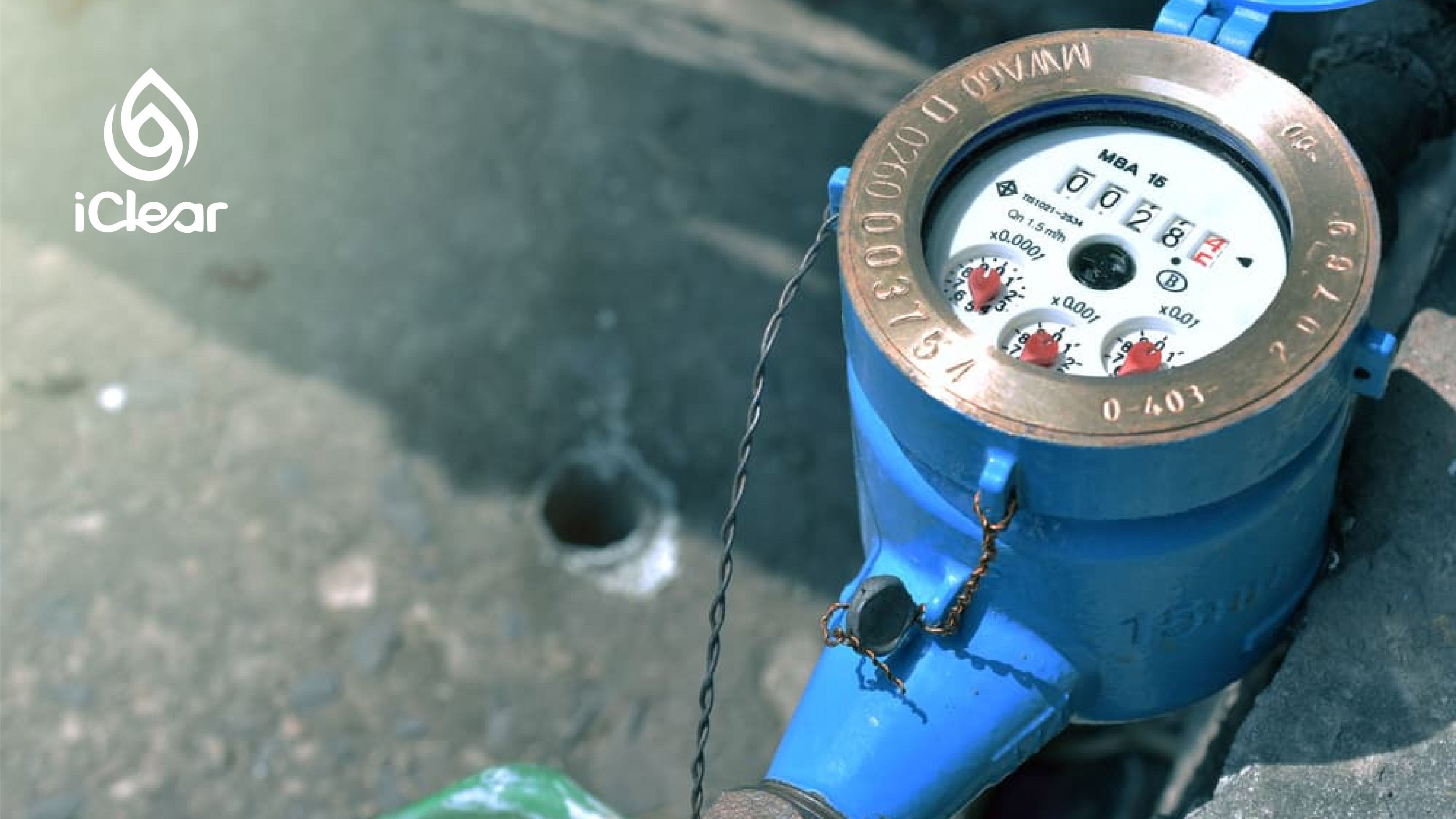
Many Nairobi residents pay their water bills without fully understanding what goes into the cost. Your bill is not just for water. It includes several components. What Makes Up the Bill? Typical charges include: Water consumption Sewer services Meter charges Fixed service fees Why Bills Can Be High Several factors affect your bill: Leakages within the property Shared meters in apartments Inefficient water use Billing estimates instead of actual readings The Hidden Costs Even beyond the bill, households often spend more on: Bottled water Tanker deliveries during shortages Maintenance of storage systems Cost vs Quality Paying for water does not always guarantee quality. Many homes still rely on additional filtration or bottled water for drinking. Final Thoughts Understanding your water bill helps you manage usage, reduce waste, and make better decisions about how you source and treat your water.

Gut Health and Detox: Does Your Water Matter?

Gut Health and Detox: Does Your Water Matter?

Water plays a key role in digestion, nutrient absorption, and overall gut health. Poor water quality can introduce substances that affect the digestive system. What Enters Your Body Through Water Depending on the source, water may contain: Bacteria Chemical residues Heavy metals These can disrupt the balance of the gut microbiome. Detox and Hydration The body naturally detoxifies through: The liver The kidneys Clean water supports these processes by helping flush out waste. When Water Works Against You Contaminated water can: Irritate the digestive system Increase risk of infections Affect long-term health Clean Water as a Foundation Many people focus on diet when improving gut health but overlook water quality. Hydration is only beneficial when the water itself is safe. Final Thoughts Gut health and detox are not just about what you eat. The quality of the water you drink daily plays a significant role in overall wellness.

Floods in Kenya: How Runoff Can Contaminate Your Drinking Water

Floods in Kenya: How Runoff Can Contaminate Your Drinking Water

Recent floods in Kenya have caused damage to roads, homes, and farms, but one of the less visible impacts is on drinking water safety. Heavy rainfall creates large amounts of surface runoff. As water flows across the ground, it collects contaminants from soil, farms, waste systems, and roads before entering rivers, groundwater, and borehole water sources. This means water that normally appears clean can become contaminated after flooding. The World Health Organization notes that flooding events often increase the risk of microbial and chemical contamination in drinking water systems (WHO Drinking Water Guidelines: https://www.who.int/publications/i/item/9789241549950). For households and businesses, understanding this risk is important for maintaining safe drinking water. Why Borehole Water Can Be Affected Borehole water is widely used in Kenya, particularly in residential estates and apartments. While boreholes are generally reliable, flooding can introduce contamination if the system is not well protected. Floodwater may enter poorly sealed borehole heads or seep through surrounding soil, carrying bacteria, nitrates, and other contaminants into groundwater. Areas with nearby septic systems or agricultural activity may face a higher risk because floodwater can spread waste into the soil. Because of this, testing borehole water after major rainfall or flooding is recommended. Contaminants such as nitrates can sometimes appear in groundwater after runoff events. High nitrate levels can be dangerous for infants, which is explained in our guide on Nitrates in Borehole Water: A Silent Danger for Babies. Signs That Water Quality May Have Changed Flood related contamination is not always visible, but some signs may indicate that water quality has changed. Look for: • Cloudy or muddy water • Sediment settling in containers • Unusual smell or taste • Increased stomach illness in a household or workplace However, some contaminants such as heavy metals cannot be detected without testing. Older plumbing systems may also introduce metals into water supplies, which is discussed in Is Lead in Kenyan Water a Hidden Risk? What Families Should Know. Common Contaminants After Flooding Flood runoff can introduce several contaminants into drinking water. Contaminant Typical Source Potential Risk Bacteria Sewage or animal waste Stomach illness Nitrates Agricultural runoff Infant health risks Heavy metals Soil erosion or industrial areas Long term health effects Sediment Soil runoff Reduced filtration effectiveness What Water Treatment Methods Work Best Different purification methods remove different types of contamination. Treatment Method Removes Bacteria Removes Dissolved Chemicals Boiling Yes No UV treatment Yes No Basic filters Partial No Reverse osmosis Yes Yes Boiling can kill bacteria but does not remove dissolved contaminants such as nitrates or heavy metals. Practical Steps After Flooding Households can reduce risks by taking a few simple precautions: • Allow tap water to run briefly after supply interruptions • Inspect storage tanks to ensure they are sealed and clean • Avoid drinking visibly muddy water • Test borehole water if flooding occurred nearby For rental properties, landlords should also ensure that water systems are properly maintained. This is discussed further in Are Landlords Responsible for Safe Drinking Water in Kenya. Final Thoughts Floods in Kenya can affect drinking water by allowing runoff to carry contaminants into rivers, groundwater, and borehole systems. While many contamination risks are temporary, awareness and testing are important after heavy rainfall. Monitoring water quality and taking preventive steps can help households and businesses maintain safe drinking water during flood events. Frequently Asked Questions Can floods contaminate borehole water? Yes. Floodwater can carry bacteria, nitrates, and other pollutants into the soil surrounding a borehole. If the groundwater becomes contaminated, these pollutants may enter the borehole water supply. Is borehole water safe after heavy rains? Borehole water is usually safe when systems are properly maintained, but testing after major floods or heavy rainfall is recommended to confirm water quality. Does boiling water remove contamination after floods? Boiling water can kill bacteria but does not remove dissolved chemicals such as nitrates or heavy metals. Should landlords test water after floods? Yes. Testing helps ensure that tenants are not exposed to contaminated water and supports responsible property management.

Nitrates in Borehole Water: A Silent Danger for Babies

Nitrates in Borehole Water: A Silent Danger for Babies

Nitrates are naturally occurring compounds found in soil and water. They are commonly linked to agricultural fertilizers, septic systems, animal waste, and natural organic matter breakdown. In Kenya, borehole water is widely used in residential estates, rental properties, and rural homes. While boreholes provide independence from municipal supply, they can also carry dissolved contaminants such as nitrates. For adults, low to moderate nitrate exposure may not cause immediate symptoms. For babies, however, high nitrate levels can be dangerous. According to the World Health Organization, the safe limit for nitrates in drinking water is 50 mg/L (WHO Guidelines for Drinking-water Quality: https://www.who.int/publications/i/item/9789241549950). When levels exceed this threshold, infants are at risk of a condition known as methemoglobinemia, commonly called blue baby syndrome. What Is Blue Baby Syndrome? Blue baby syndrome occurs when nitrates interfere with the blood’s ability to carry oxygen. This condition is most common in infants under six months old. The Centers for Disease Control and Prevention explains that high nitrate exposure can convert hemoglobin into methemoglobin, reducing oxygen delivery in the body (CDC: https://www.cdc.gov/nceh/). Symptoms may include: • Bluish skin tone, especially around lips and fingers • Difficulty breathing • Fatigue • Irritability • Vomiting In severe cases, it can become life threatening. Because infants drink more water relative to their body weight than adults, they are especially vulnerable. How Do Nitrates Enter Borehole Water? Nitrates can seep into groundwater through: • Fertilizer runoff from farms • Leaking septic tanks • Animal waste • Poorly managed drainage systems • Heavy rainfall increasing soil leaching Areas near agricultural activity or densely populated developments with septic systems are at higher risk. Rainy seasons may temporarily increase nitrate levels due to surface runoff. Safe Nitrate Levels Explained Understanding lab results is critical. Below is a simple interpretation guide. Nitrate Level (mg/L) Risk Level Action Required 0 to 10 Safe Monitor 10 to 50 Moderate Test regularly 50+ Dangerous Immediate treatment If levels exceed 50 mg/L, water should not be used for infant formula preparation. Can Boiling Remove Nitrates? No. Boiling does not remove nitrates. In fact, boiling can increase nitrate concentration because water evaporates while dissolved compounds remain. This is a common misconception among families using borehole water. How to Test Borehole Water for Nitrates There are two primary methods: Laboratory testing. This is the most accurate method. Certified laboratories provide detailed reports showing nitrate concentration in mg/L. Home testing kits. These are available in some markets but are less precise than laboratory analysis. For families with infants, annual borehole testing is highly recommended. Properties using septic systems should test more frequently. Landlords operating rental units supplied by boreholes should also maintain documented test reports for compliance and tenant assurance. What Removes Nitrates from Water? Not all filters remove nitrates effectively. Below is a comparison of common treatment options. Treatment Method Removes Nitrates Effectiveness Suitable for Boreholes Boiling No Ineffective No Basic carbon filter No Ineffective No Reverse osmosis system Yes High Yes Ion exchange system Yes High Yes Reverse osmosis systems are widely recognized for reducing dissolved nitrates effectively. Multi stage systems are particularly effective for borehole water where multiple contaminants may be present. When selecting treatment systems, professional water testing should guide the decision rather than assumptions. Why This Matters for Kenyan Families Many parents focus on visible cleanliness. However, dissolved contaminants such as nitrates cannot be detected by sight or taste. Families in peri-urban areas, new housing developments, and rural regions relying on boreholes should take nitrate risks seriously, especially if there are infants in the home. Testing is affordable compared to the medical and emotional cost of preventable health complications. Final Thoughts Nitrates in borehole water are a silent risk that many families overlook. The WHO safe limit of 50 mg/L provides a clear benchmark. If levels exceed that threshold, immediate action is required, particularly where babies are concerned. Routine testing, proper treatment selection, and awareness can significantly reduce risk. Clean water for infants is not optional. It is foundational to safe early development.

Is Lead in Kenyan Water a Hidden Risk? What Families Should Know

Is Lead in Kenyan Water a Hidden Risk? What Families Should Know

Is lead in Kenyan water something families should worry about? Many households assume clear water means safe water. Unfortunately, lead contamination is invisible, tasteless, and odorless. Lead is a toxic heavy metal. Even small amounts in drinking water can affect brain development in children and increase blood pressure in adults. Long term exposure may lead to serious health problems. According to the World Health Organization, the safe limit for lead in drinking water is 0.01 mg/L or 10 micrograms per litre (WHO Guidelines for Drinking-water Quality: https://www.who.int/publications/i/item/9789241549950). That is an extremely small amount. Because lead cannot be seen or tasted, laboratory testing is the only reliable way to confirm its presence. How Does Lead Enter Drinking Water in Kenya? Lead rarely originates from the natural water source. In most cases, it enters water through plumbing systems. Common sources include: • Old metal pipes • Corroded plumbing • Brass fittings • Lead-based solder used in older buildings • Poorly coated storage tanks When water remains in pipes overnight, it can absorb small amounts of lead through a process known as corrosion leaching. Homes built decades ago may still have outdated plumbing components. Borehole systems can also be affected if low quality fittings are used during installation. Why Lead Is Especially Dangerous for Children Children absorb lead more easily than adults. Even low exposure levels can: • Reduce IQ • Affect attention span • Cause behavioral challenges • Interfere with growth The Centers for Disease Control and Prevention states that no safe blood lead level in children has been identified (CDC: https://www.cdc.gov/nceh/lead/). Pregnant women are also at higher risk because lead can affect unborn babies. Symptoms of Lead Exposure Lead poisoning often develops gradually and may not show clear symptoms immediately. In children, symptoms may include: • Irritability • Fatigue • Learning difficulties • Loss of appetite In adults, symptoms may include: • High blood pressure • Joint pain • Headaches • Memory issues Because symptoms can be vague, testing remains the most dependable way to assess risk. Does Boiling Remove Lead? No. Boiling water does not remove lead. In fact, boiling can concentrate lead because water evaporates while metals remain behind. This is a common misunderstanding that can increase risk rather than reduce it. What Removes Lead from Water? The table below compares common treatment methods. Treatment Method Removes Lead Effectiveness Recommended Use Boiling No Ineffective Not recommended Basic carbon filter Partial Moderate Low levels only Reverse osmosis system Yes High Residential use Distillation Yes High Small volumes Reverse osmosis systems are widely recognized for their ability to reduce heavy metals, including lead. Is Lead Common in Kenyan Water? Lead contamination is not widespread across all regions. However, it may occur in: • Older apartment buildings • Estates with aging plumbing • Improperly installed borehole systems • Buildings that have never undergone pipe replacement The Kenya Bureau of Standards aligns national drinking water standards with WHO recommendations (KEBS: https://www.kebs.org/). Compliance at the municipal supply level may exist, but private plumbing systems within buildings are the responsibility of property owners. How Families Can Protect Themselves Practical steps include: • Run tap water for one to two minutes each morning before use • Use cold water for cooking and drinking • Test water annually • Inspect and upgrade old plumbing • Install certified filtration systems if heavy metals are detected Families using borehole water should conduct comprehensive testing before regular consumption. Final Thoughts Is lead in Kenyan water a hidden risk? In certain situations, yes. The risk depends largely on plumbing conditions and property age rather than geography alone. The good news is that lead contamination can be tested and effectively reduced through proper treatment systems and maintenance. Water safety begins with awareness. Testing provides clarity. Prevention protects families.

Living in Nairobi or Nakuru? Here’s Why Water Purification Matters More Than Ever

Living in Nairobi or Nakuru? Here’s Why Water Purification Matters More Than Ever

If you live in Nairobi or Nakuru, chances are you’ve experienced water interruptions, changing water taste, or concerns about water safety. As these cities continue to grow rapidly, the pressure on water supply systems has increased, making water purification more important than ever for homes and workplaces alike. While municipal water is treated before distribution, what reaches your tap can be very different from what left the treatment plant. This is why more households and offices in urban Kenya are turning to reliable water purification solutions. Urban Growth and Its Impact on Water Quality Nairobi and Nakuru are among Kenya’s fastest-growing urban centers. This growth affects water quality in several ways: Aging pipelines that allow contamination Increased reliance on boreholes and supplementary sources Infrastructure strain during dry seasons Inconsistent water pressure causing backflow risks As cities expand, water systems struggle to keep up, increasing the likelihood of compromised drinking water. Why Treated Water Isn’t Always Fully Safe Many people assume municipal water is always safe to drink. While it is treated, several factors can affect its quality before it reaches your home: Old or corroded pipes Intermittent supply allowing contaminants to enter lines Storage tanks that are not regularly cleaned Mixing of sources such as borehole and surface water This means water may look clear but still contains dissolved salts, bacteria, or heavy metals. The Borehole Factor in Urban Estates In both Nairobi and Nakuru, boreholes are widely used in apartments, gated communities, and commercial buildings. Borehole water often contains: High Total Dissolved Solids (TDS) Salinity Hardness-causing minerals Naturally occurring metals Without proper purification, long-term consumption of such water can affect health and damage household appliances. Seasonal Changes Make Water Quality Unpredictable Water quality is not constant throughout the year. During rainy seasons: Runoff can introduce contaminants into water sources Sediment levels increase Storage systems are stressed During dry seasons: Borehole dependence increases Salinity and mineral concentration rise A purification system provides consistency despite these fluctuations. Why Water Purification Is No Longer Optional For urban households and offices, water purification is no longer a luxury. It is essential for: Safe daily drinking water Cooking and food preparation Protecting children and elderly family members Reducing long-term health risks Reverse Osmosis (RO) systems are particularly effective because they remove both biological contaminants and dissolved substances common in urban water supplies. Health Benefits of Purified Drinking Water Consistent access to clean water helps: Improve digestion and hydration Reduce waterborne illnesses Support immunity Enhance overall wellbeing For families with young children or elderly members, these benefits are especially important. Urban Living Requires Smarter Water Choices As Nairobi and Nakuru continue to expand, water challenges will likely increase, not decrease. Taking control of your drinking water at the point of use ensures safety regardless of source changes or infrastructure limitations.   Conclusion Living in a major Kenyan city brings convenience, opportunity, and growth, but also new challenges, including water quality. With changing sources, aging infrastructure, and seasonal variations, water purification matters more than ever. Investing in a reliable purification system is one of the most practical steps urban households and offices can take to protect health and ensure peace of mind.

Fluoride in the Rift Valley: Causes, Risks, Data, and Treatment

Fluoride in the Rift Valley: Causes, Risks, Data, and Treatment

Fluoride levels in Rift Valley groundwater often exceed WHO and KEBS safe limits due to volcanic geology and geochemical processes. Long term exposure can lead to dental and skeletal fluorosis, but effective treatment options like Reverse Osmosis and defluoridation methods significantly reduce health risks. Geological Causes of High Fluoride The Rift Valley’s unique geology, characterized by volcanic rocks and geothermal activity, naturally releases fluoride into groundwater. A geo-environmental study in the Central Kenya Rift found that up to 73% of water sources exceeded the WHO health guideline for fluoride, with concentrations ranging broadly due to rock interactions and evaporation processes. (ScienceDirect) Another regional review of fluoride occurrence across Africa notes severe elevations in Rift Valley water bodies, including remarkable surface concentrations such as 2,800 mg/L in Lake Nakuru (though surface water differs from drinking water, the pattern reflects widespread fluoride presence). (sciencepublishinggroup.com) Groundwater Fluoride Data Summary Fluoride (mg/L) Location / Context WHO Safe Limit Up to 74.98 Central Kenya Rift groundwater samples 1.5 mg/L High averages in Rift areas Multiple African Rift sources 1.5 mg/L Moderate lower ranges Non-rift groundwater 0.2–1.5 mg/L Scientific investigation shows large variation based on depth, rock type, and seasonal effects, but many boreholes in rift settings exceed recommended limits. (ScienceDirect) Health Effects of Fluoride Fluoride is beneficial at low levels for dental health, but concentrations above ~1.5 mg/L increase risk of • Dental fluorosis: enamel discoloration and brittleness • Skeletal fluorosis: joint pain and reduced mobility A meta-analysis across East African Rift communities found mean fluoride levels above WHO guidelines and notable prevalence of dental fluorosis in affected populations. (PubMed) Treatment Options for High Fluoride Water Treatment Type Effectiveness Notes Reverse Osmosis Very high Reliable reduction to safe limits Activated Alumina Moderate Needs correct pH control Homa / Nalgonda techniques Variable Community scale, low cost but may produce sludge Boiling Ineffective Does not reduce dissolved ions Studies show RO achieves high fluoride removal efficiency compared to other methods, making it among the most effective for highly variable Rift Valley groundwater. KEBS and WHO Standards for Fluoride According to World Health Organization and Kenya Bureau of Standards (KEBS), safe drinking water should have fluoride at or below 1.5 mg/L to prevent adverse health effects. Source Fluoride Limit WHO Drinking Water Guidelines 1.5 mg/L KEBS KS EAS 12:2018 1.5 mg/L Exceedances above these limits are common in Rift Valley groundwaters and require treatment before consumption.   FAQs - Fluoride in the Rift Valley Is high fluoride dangerous? Yes. Long-term consumption above WHO limits increases fluorosis risk. Can boiling reduce fluoride? No. Fluoride is dissolved and boiling concentrates it further. Should all borehole water be tested for fluoride? Yes, especially in Rift Valley and similar geological areas.

Reverse Osmosis in Africa - How It Works, Why It Matters, and What the Data Shows

Reverse Osmosis in Africa - How It Works, Why It Matters, and What the Data Shows

Reverse Osmosis (RO) is an advanced water purification technology that forces water through a semi-permeable membrane to remove dissolved solids, fluoride, heavy metals, salts, and many microbes. In Africa, where groundwater and municipal supplies often have high mineral content or contamination, RO is one of the most dependable methods for producing drinking water that meets global health standards. Why Reverse Osmosis Is Critical in Africa Many African water sources exhibit qualities that simple filtration cannot handle. Borehole water often contains elevated Total Dissolved Solids (TDS), minerals like fluoride, and dissolved salts because of geological conditions. Municipal supplies may have chlorine, residual bacteria risk, or organic by-products. WHO recommends a broad array of health and aesthetic parameters that many untreated sources fail to meet. Africa’s diverse hydrogeology means water quality varies widely from one region to another. For example, Rift Valley regions tend to have naturally high fluoride levels, and coastal or saline aquifers often have high salt concentrations. RO systems are widely adopted because they can handle complex mixtures of contaminants typical in these varied sources. (https://www.sciencepublishinggroup.com/article/10.11648/j.ajwse.20170301.11?utm) How Reverse Osmosis Works Multi-Stage Purification Pre-Filtration: Removes sediment, rust, and particles Activated Carbon: Removes chlorine, taste, and odour RO Membrane: Semi-permeable membrane that rejects dissolved solids and contaminants Reverse Osmosis membranes typically operate at a pore size around 0.0001 microns, small enough to block TDS, fluoride, heavy metals, and most microbial life while allowing water molecules to pass. What RO Removes and Why It Matters Contaminant Common Source in Africa RO Removal Capability Total Dissolved Solids (TDS) Saline or mineral groundwater Up to ~98% Fluoride Rift Valley aquifers Above 95% Heavy Metals (Lead, Iron) Geological and pipe corrosion sources >90% Chlorine and Organic By-products Municipal treatment residuals High with carbon + RO Microbial Contaminants Wells, tanks, old distribution lines >99% with proper design Insight:  Studies comparing RO with other fluoride removal methods, such as hydroxyapatite (HAP), find RO generally achieves higher removal efficiency (96–97 percent in laboratory tests) for fluoride over a range of high concentrations. Real Examples of RO Use in African Contexts In Kenya and surrounding regions, RO systems are used to process borehole water with challenging water chemistry. Some commercial systems reject up to 96 percent of salts and dissolved solids, enabling safe drinking water from otherwise difficult sources. RO is also essential for commercial and institutional water needs where consistency and reliability are required. The technology is scalable from small households to large industrial or community plants. How RO Aligns with Kenyan and WHO Standards Kenyan water quality standards are largely harmonized with WHO parameters. Any treated water intended for drinking should meet standards for pH, dissolved solids, microbial counts, and specific chemical limits such as fluoride. Key standards often addressed by RO systems: Parameter WHO Recommended Limit KEBS KS EAS 12:2018 Limit Fluoride ≤ 1.5 mg/L ≤ 1.5 mg/L Iron ≤ 0.3 mg/L ≤ 0.3 mg/L Manganese ≤ 0.1 mg/L ≤ 0.1 mg/L TDS No strict WHO limit (chlorine affect taste), but < 600 mg/L preferred ≤ 1000 mg/L pH 6.5–8.5 6.5–8.5 E. coli 0 CFU/100 mL 0 CFU/100 mL Sources: WHO drinking water guidelines, KEBS KS EAS 12:2018. (https://waterequipments.co.ke/who-guidelines-drinking-water-quality/ RO systems help ensure water falls within these safe ranges by removing contaminants that simple filtration or boiling cannot.   FAQs - Reverse Osmosis in Africa Is RO the only method that removes fluoride effectively? No, some specialised media like activated alumina also remove fluoride, but RO typically provides higher and more consistent removal across a broader range of contaminants. Do RO systems remove bacteria? Yes, the membrane blocks most bacteria, but combining RO with carbon and UV provides comprehensive protection.

State of Kenya’s Tap and Borehole Water, National Quality, Risks, and Compliance with Standards

State of Kenya’s Tap and Borehole Water, National Quality, Risks, and Compliance with Standards

While most urban municipal water in Kenya meets bacteriological standards at treatment plants, distribution losses, ageing pipes, and high-mineral groundwater mean many households still receive water exceeding recommended limits for fluoride, salinity, and hardness. National Water Source Overview Source Type Share of Supply Main Risks Surface water rivers and dams Urban utilities Pipe contamination, chlorine by-products Boreholes Peri-urban and rural High fluoride, salinity, iron, hardness Source: Water Resources Authority Kenya https://wra.go.ke/ Typical Borehole Water Chemistry in Kenya Parameter Observed Range WHO Limit KEBS Limit Fluoride 0.5 to 10 mg/L 1.5 mg/L 1.5 mg/L TDS 400 to 2500 mg/L Taste affected above 600 mg/L 1000 mg/L Iron 0.1 to 3.0 mg/L 0.3 mg/L 0.3 mg/L pH 6.8 to 9.2 6.5 to 8.5 6.5 to 8.5 Sources https://www.sciencedirect.com/science/article/pii/S0048969715311426 https://www.who.int/publications/i/item/9789241549950 https://www.kebs.org Municipal Tap Water Challenges Although treated, contamination can occur through • Leaking sewer and water pipes • Low residual chlorine at endpoints • Old galvanised and iron plumbing Source https://www.who.int/publications/i/item/9789241549950 Studies in Nairobi informal settlements show intermittent contamination due to pressure loss and cross-connections. Source https://www.ncbi.nlm.nih.gov/pmc/articles/PMC6772325/ Health Implications High fluoride Dental and skeletal fluorosis High TDS and salinity Hypertension risk for sensitive populations Appliance corrosion and scaling Microbial contamination Diarrhea disease burden Source: https://www.who.int/news-room/fact-sheets/detail/drinking-water FAQ Is Nairobi tap water safe to drink without treatment At the plant yes, at the tap not always due to pipe contamination risk. Why does borehole water taste salty High sodium and chloride from aquifer geology. Should households rely only on boiling No, boiling does not remove fluoride, salts, or heavy metals.

Home Water Testing Methods in Kenya, What You Can Measure Yourself and What Requires a Lab

Home Water Testing Methods in Kenya, What You Can Measure Yourself and What Requires a Lab

You can test basic water quality at home using TDS meters, pH strips, hardness kits, and chlorine tests. However, fluoride, heavy metals, and bacterial contamination require certified laboratory analysis to confirm compliance with WHO and KEBS drinking water standards. Why Home Testing Matters in Kenya Kenya relies heavily on groundwater and ageing municipal infrastructure. According to WHO, visual clarity and taste are not reliable indicators of safety because fluoride, nitrates, and bacteria are invisible and tasteless. Source: https://www.who.int/publications/i/item/9789241549950 Common Home Testing Methods pH Strips and Digital Meters pH Range Meaning KEBS Standard Below 6.5 Corrosive acidic water 6.5 to 8.5 Above 8.5 Alkaline, scaling risk 6.5 to 8.5 Source: KEBS KS EAS 12:2018 https://www.kebs.org Hardness Test Kits Detect calcium and magnesium causing scale and soap inefficiency. Source: https://www.usgs.gov/special-topics/water-science-school/science/hardness-water Residual Chlorine Test Confirms municipal disinfection presence. WHO recommended free chlorine at point of use 0.2 to 0.5 mg/L Source: https://www.who.int/publications/i/item/WHO-FWC-WSH-15.04 What Cannot Be Reliably Tested at Home Contaminant Reason Required Method Fluoride Colour kits inaccurate above 2 mg/L Ion selective electrode lab test E. coli Microscopic detection required Membrane filtration lab culture Lead and arsenic Trace level detection ICP-MS laboratory analysis Sources https://www.who.int/news-room/fact-sheets/detail/drinking-water https://www.cdc.gov/healthywater/drinking/private/wells/testing.html When to Test Your Water in Kenya • New borehole commissioning • Change in taste, colour, or smell • After flooding or pipeline repairs • When installing a purifier system FAQ Can a TDS meter tell me if my water is safe No, it only measures dissolved minerals, not bacteria or toxins. Does boiling replace testing No, boiling kills microbes but does not remove fluoride, salts, or heavy metals. How often should borehole water be tested WHO recommends at least once per year for chemical parameters and every six months for microbial quality. Source: https://www.who.int/publications/i/item/9789241549950